Israel Confirms Limited Ground Operation in Southern Lebanon Amid Escalating Hostilities
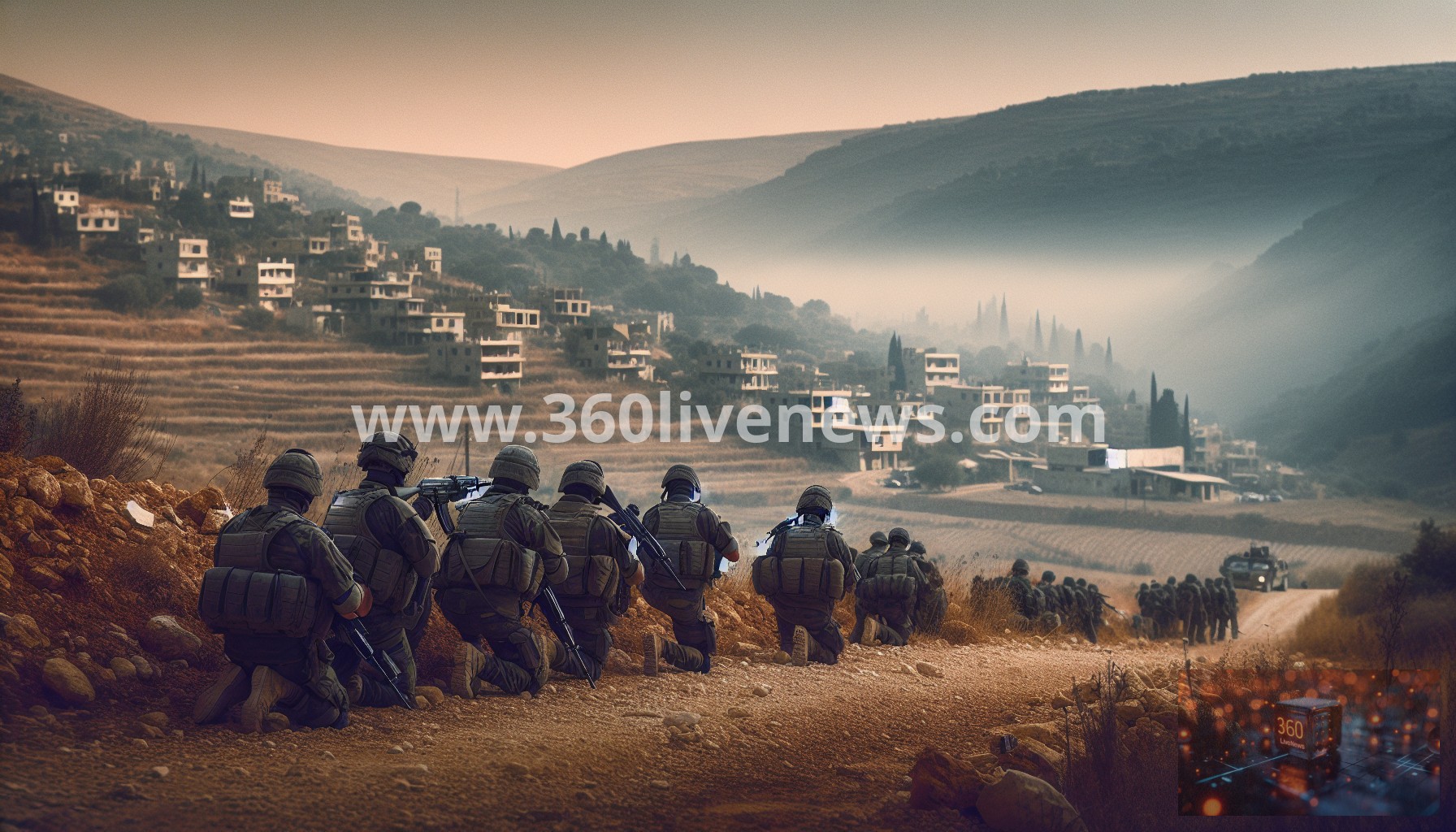
Israel has confirmed a limited ground operation in southern Lebanon, marking a significant escalation in ongoing hostilities that have intensified since the beginning of March. This incursion is characterized by targeted military actions aimed primarily at areas previously thought to be less vulnerable to Israeli strikes. Such actions have prompted widespread condemnations from various international observers and heightened tensions within Lebanon's already volatile landscape.
The latest developments emerged as Israeli forces began ground operations alongside heavy bombardments across southern Lebanese territories. This approach is reportedly being utilized by Israel as a means to assert its position in any forthcoming ceasefire negotiations. The Lebanese public has already faced a staggering human toll, with reports indicating at least 850 fatalities, including 107 children and 66 women, according to the Lebanese Ministry of Public Health. Furthermore, the current situation has led to the internal displacement of over one million individuals, forcing many into makeshift shelters that lack sufficient resources.
Since March 2, the region has become engulfed in violence, sparked initially by retaliatory strikes from Hezbollah against Israeli military installations. This response followed a U.S.-Israeli joint operation against Iranian military locations earlier in the year, suggesting that the recent escalation may be closely tied to broader geopolitical dynamics involving Iran and its allies in the region. As experts analyze the situation, they believe that Israel is leveraging occupation as a crucial tool, seeking to reshape the ground reality to reinforce its negotiating power in upcoming diplomatic discussions.
Karim Emile Bitar, a prominent Lebanese academic, described the current phase of conflict as a "terrible feeling of déjà vu" for Lebanon, illustrating the cyclical nature of violence that often accompanies Israeli incursions. He notes that while Israel may effectively diminish its adversaries militarily, it consistently struggles to establish long-term stability along its northern border. This ongoing turmoil disproportionately affects ordinary Lebanese citizens, who bear the brunt of military actions and displacements.
In tandem with the military operations, the Israeli Defence Forces (IDF) have issued evacuation orders targeting communities within Lebanon, particularly in the southern areas surrounding Beirut. These orders have intensified public fear and prompted hurried departures, as many residents feel compelled to vacate their homes to avoid becoming collateral damage in the conflict. The juxtaposition of Israel's aggressive military strategy and proposals for diplomatic interventions, such as those from France, underscores the complexity of the current conflict and the urgent need for a sustainable resolution.
The historical context of Israeli-Lebanese relations plays a crucial role in the ongoing tension. Previous conflicts, notably the Lebanese Civil War and the 2006 Lebanon War, have established a precedent for ebbs and flows of violence, often triggered by cross-border skirmishes. Israel's military presence in Southern Lebanon has been a contentious issue, viewed with suspicion by many Lebanese citizens who associate it with past violent incursions. Analysts believe that Israel's current incursion may reflect a strategic pivot, suggesting a calculated attempt to use occupation as leverage over Hezbollah and Iranian influence in the region.
The implications of this ground incursion extend beyond mere territorial disputes. With ongoing military actions compounded by a humanitarian crisis, the prospect for peace remains distant. International leaders have raised concerns regarding the humanitarian ramifications of prolonged conflict, with aid organizations struggling to provide relief to the displaced populations amidst continuous bombardment.
The United Nations and other international bodies have previously demanded a ceasefire and the protection of civilians; however, with the current escalation in hostilities, these calls have grown increasingly urgent. The possible ramifications of uninterrupted conflict could further destabilize the region, affecting neighboring states and exacerbating existing humanitarian challenges. As the situation continues to unfold, the international community watches closely, highlighting the critical need for dialogue and de-escalation to protect civilian lives.
This incursion into Lebanon represents not just a local military struggle, but rather a reflection of ongoing strategic contests in the region involving state and non-state actors. With both sides entrenched in their positions, the path to peace appears arduous, requiring concerted international efforts to mediate a lasting resolution rooted in mutual agreements and respect for human rights.
#Israel #Lebanon #Hezbollah #Iran #UN #HumanRights #Diplomacy #MilitaryAction
