Sri Lanka declares public holiday on Wednesdays to conserve fuel amid geopolitical tensions affecting oil imports
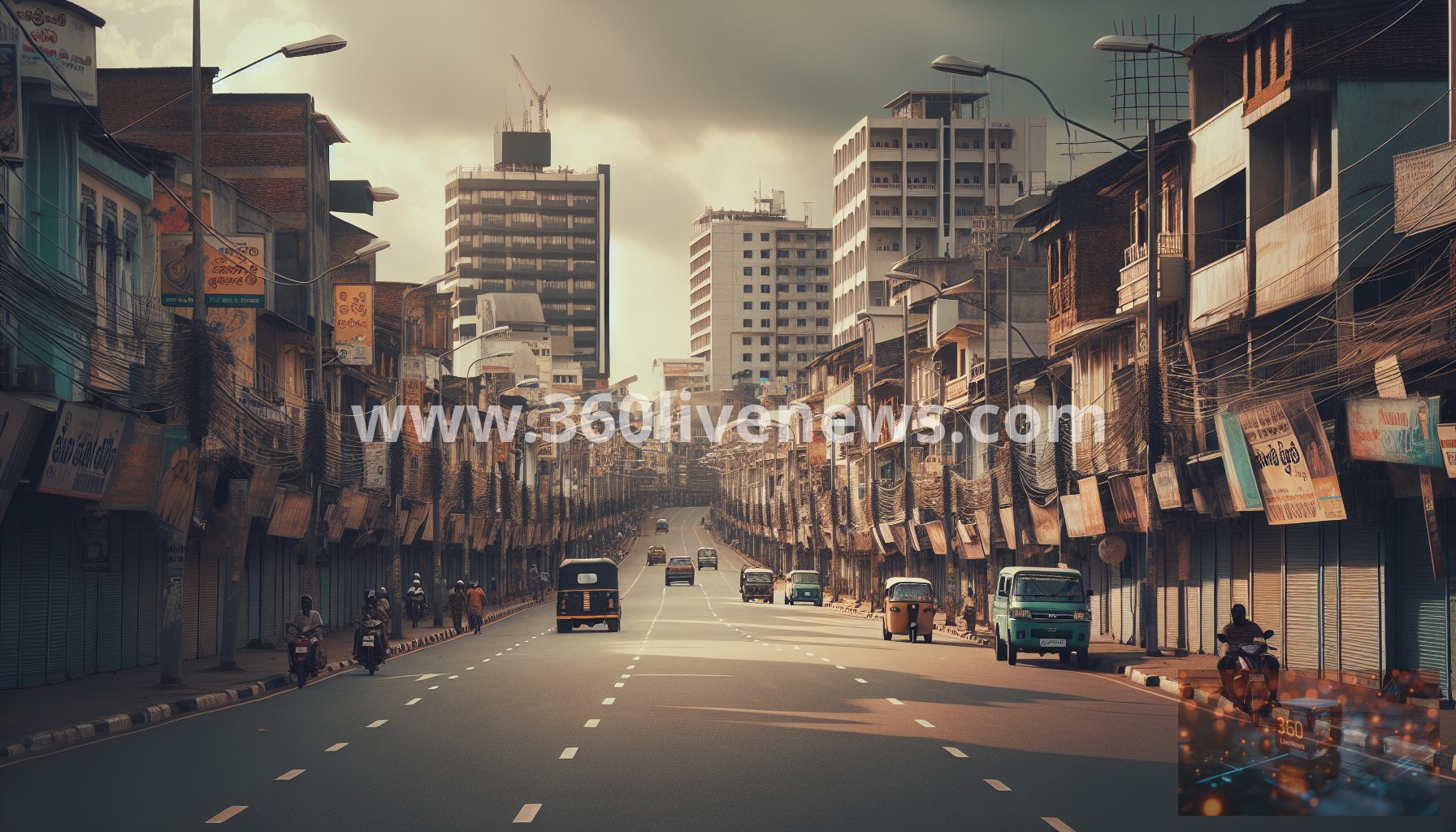
Sri Lanka has initiated significant austerity measures as the island nation faces potential fuel shortages linked to the ongoing conflict involving the United States and Israel against Iran. In an emergency meeting convened by President Anura Kumara Dissanayake, the government declared every Wednesday a public holiday for government institutions to conserve fuel supplies. This decision marks a critical response to the geopolitical tensions affecting oil imports through the vital Strait of Hormuz.
The urgency of Sri Lanka's decision stems from the broader implications of the conflict on fuel availability, particularly for Asia, which is the world's largest oil-importing region. The Strait of Hormuz is a critical maritime chokepoint, through which nearly 90% of the oil and gas bound for Asia passed in previous years. The escalating tensions have raised concerns about the sustainability of these oil imports, leading countries across the region to adopt measures to mitigate the impending shortages.
President Dissanayake articulated the precarious situation by stating, "We must prepare for the worst, but hope for the best." This statement reflects the government's dual approach of readiness for potential crises while fostering a sense of optimism for a positive outcome. Such remarks are indicative of the leadership's acknowledgment of both external geopolitical pressures and internal economic fragility.
The implications of these measures extend beyond mere conservation of fuel. As various Asian nations explore different austerity strategies, Sri Lanka's decision to designate Wednesdays as public holidays could serve as a model for similar reforms in other countries facing oil supply disruptions. Historical precedents can be found in past instances of economic strife which led to governmental interventions, reflecting a need for swift action in uncertain times.
With ongoing geopolitical conflicts affecting oil prices and supply chains, the Sri Lankan government is also likely to face pressure from citizens concerning rising living costs. The necessity for effective communication and strategic planning in these circumstances cannot be overstated. The government needs to ensure that residents are informed and prepared for potential economic impacts stemming from these oil supply challenges.
As countries like Iran and Israel find themselves in a heated standoff, the repercussions are felt around the globe. The ripple effects of these international tensions necessitate not only local adaptations, like those in Sri Lanka, but also collaborative efforts among Asian countries to address shared vulnerabilities in energy security. Cooperation within the region may become increasingly important as countries navigate the complexities of energy needs influenced by global politics.
Moreover, the potential for increased competition over dwindling resources may escalate regional tensions even further, compelling governments to act swiftly and decisively. Discussions surrounding energy policies in Asia are critical at this juncture, as they directly impact the livelihoods of millions within these nations.
As Sri Lanka enters what may be a prolonged period of austerity measures, monitoring the effectiveness of its strategies will be essential. The need for innovative solutions to bolster energy security while maintaining economic stability remains paramount. Any further developments regarding fuel availability, public responses, or shifts in regional oil supply dynamics will warrant careful observation as the situation evolves.
#SriLanka #FuelShortages #EnergySecurity #AusterityMeasures #StraitofHormuz #Iran #Israel #Geopolitics
