Iran conflict enters 18th day amid escalating tensions and global economic impact
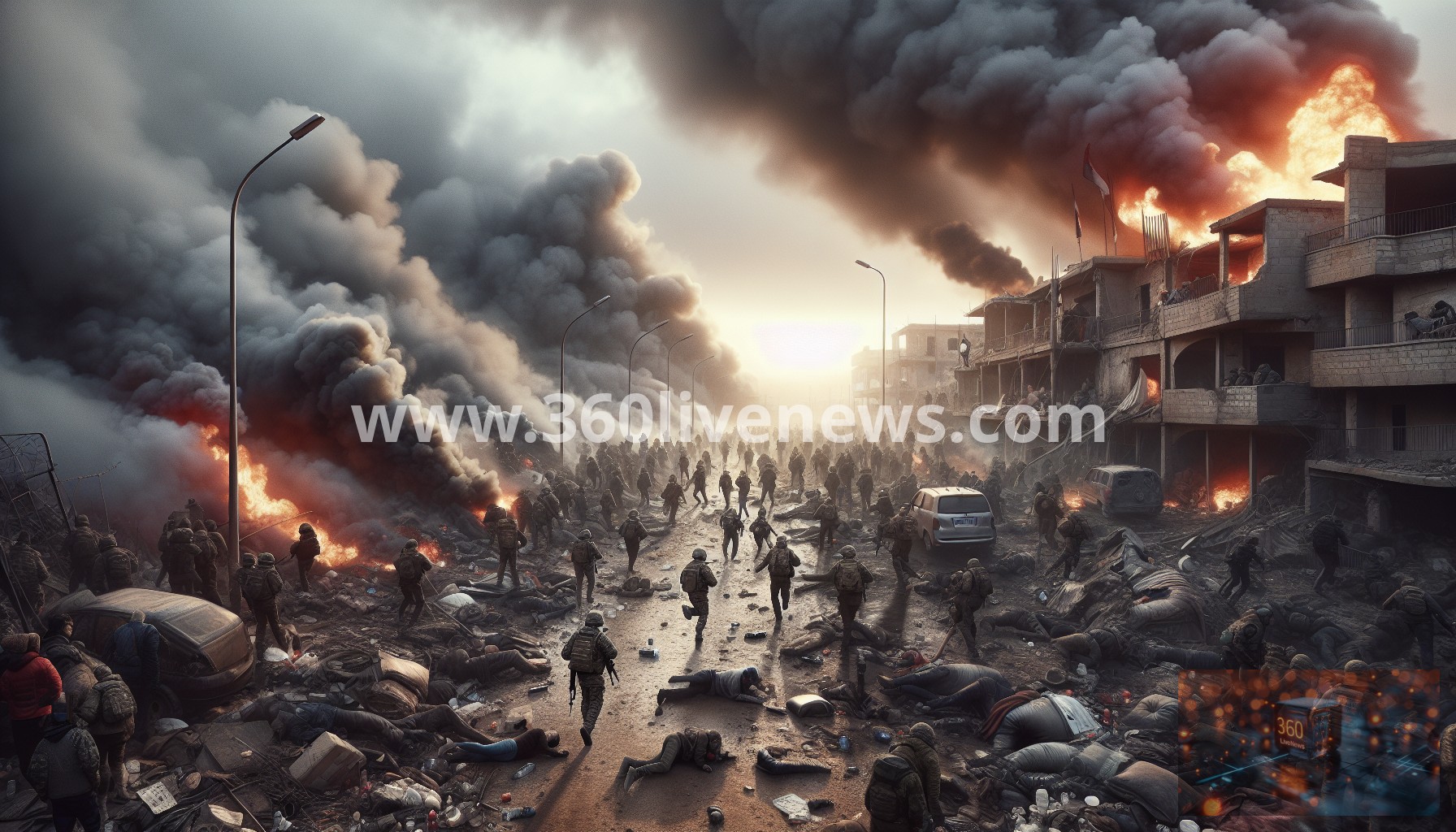
The war on Iran has entered its 18th day, showing no signs of abating as tensions escalate around the region. Following military strikes led by the United States and Israel, there has been a significant increase in volatility affecting not just the immediate conflict zones but also the global economy. Recent developments have also prompted a renewed focus on the situation in the occupied West Bank, where the fallout from the Iran war is tangibly felt by local communities.
Since the onset of the armed conflict, which began with military actions on February 28, analysts noted that the gold market, typically robust in times of geopolitical turmoil, remained unexpectedly stable. This is particularly intriguing given the war’s potential implications for global commodity prices and market confidence. The price of gold, generally considered a safe-haven asset during uncertain times, has been largely unaffected despite the war and rising oil prices, influenced instead by a strong dollar and recent gold market volatility.
On March 2, Ebrahim Jabari, an adviser to the commander-in-chief of Iran's Islamic Revolutionary Guard Corps (IRGC), made a critical announcement regarding the Strait of Hormuz, a vital passage for global oil transportation that accounts for approximately 20 percent of the world's oil and gas flow. The senior official declared that the strait was "closed," leading to a surge in oil prices, which soared above $100 per barrel. This move not only reflects Iran's strategic maneuvering but also raises concerns about maritime security and energy supply chains across the globe.
In the occupied West Bank, the impacts of the conflict are prominently visible. Reports indicate that missile shrapnel from ongoing military activities has been falling on Palestinian towns. This has aggravated an already precarious situation marked by ongoing Israeli settler attacks and military incursions. While international attention is often directed toward broader regional conflicts, local Palestinians continue to endure the consequences, which include heightened restrictions on their daily lives.
The broader implications of the Iran war are significant. Countries across the world are closely monitoring developments due to fears surrounding energy dependency and economic destabilization. The fluctuating stock market is yet another symptom of uncertainty stemming from the conflict, as investors react to shifting risks associated with geopolitical tensions. With both the United States and Israel remaining engaged militarily, there is ongoing speculation about the future of military strategy in relation to Iran and the potential for broader regional engagements.
Historically, Iran's relationships with both Israel and the United States have been characterized by conflict and suspicion. The tension escalated following the United States' withdrawal from the Joint Comprehensive Plan of Action (JCPOA) and subsequent sanctions against Iran. This has positioned Iran as a critical player in Middle Eastern geopolitics, prompting military alliances and regional hostilities that are often interconnected with broader global security policies.
As the situation develops, it will likely influence not only regional dynamics but also international diplomatic relations. Countries may seek to reassess their positions regarding alliances and energy strategies based on how the war unfolds. Experts are also watching whether this conflict could lead to shifts in policy by international organizations such as the United Nations or regional entities that may feel compelled to intervene or mediate.
The Iran war, characterized by its complexity and multi-faceted implications, will require sustained attention both for humanitarian support needs on the ground and for broader geopolitical analysis. As the situation continues to evolve, it underscores the necessity for international dialogue to pursue resolution and stability in a region historically fraught with conflict.
#Iran #Israel #UnitedStates #GoldPrices #EnergySecurity #OccupiedWestBank #MilitaryConflict #GlobalEconomy
