Tensions in Iran Rise Amid Unconfirmed Reports of Israeli Airstrikes Killing Security Chief Ali Larijani
Iran is currently in a state of heightened tension following reports that Israeli airstrikes have killed Ali Larijani, the country's security chief, a claim that remains unconfirmed by Iranian officials. Observers note that if the reports are verified, this incident would remove one of the most experienced and influential figures in Iran's policymaking apparatus during a critical juncture for the nation, exacerbating an already volatile situation. Larijani's strategic importance was underscored by his role as secretary of the Supreme National Security Council, a position that granted him significant influence over Iran's military and diplomatic strategies, especially regarding its ongoing confrontations with the United States and Israel.
In the aftermath of these claims, Larijani's death could potentially intensify Iran's response to external threats. His previous statements following the earlier killing of Supreme Leader Ali Khamenei indicated a willingness to engage in prolonged conflict, hinting at a shift towards a more aggressive posture in foreign policy. The implications of losing such a critical figure could foreshadow a restructuring of Iran's strategic decision-making processes during a time when it is trying to navigate mounting internal unrest and external pressures.
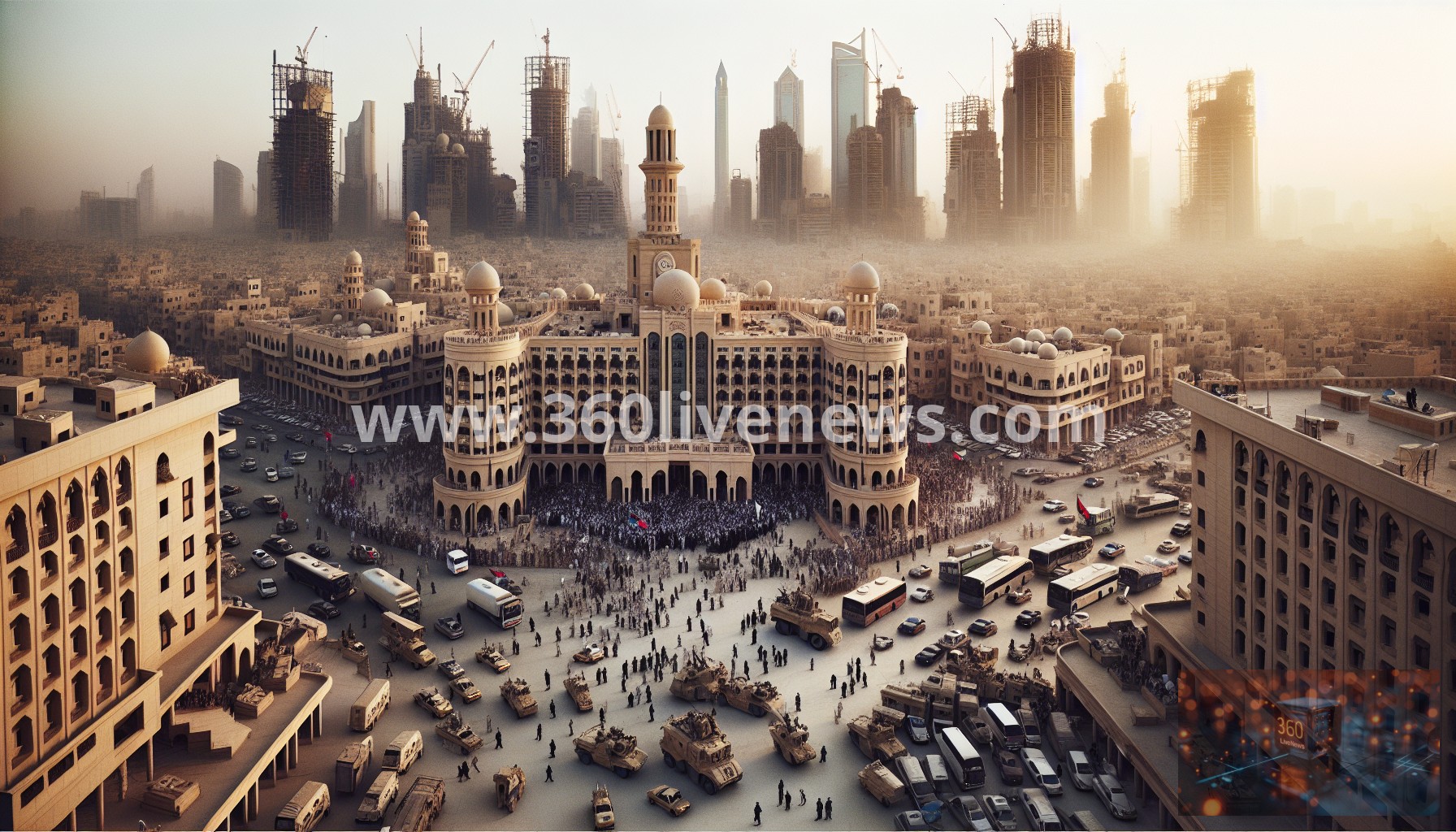
Eyewitness reports and footage from Tehran depict the mood in the capital as one of anxiety and anticipation of further violence. Civilians are living under the threat of continuous airstrikes, creating an atmosphere filled with dread. State media is portraying the situation as one of unified strength against perceived foreign aggressors, while independent journalists face risks of violence and incarceration when attempting to report alternative narratives. The increase in state-sanctioned rhetoric against foreign enemies, particularly the United States and Israel, highlights a state-driven efforts to rally public support amid ongoing military campaigns.
In a separate incident in the Iranian city of Hamedan, rescue efforts were underway to save individuals trapped in the rubble following the strikes. Video footage verified by the BBC captures the moment a man was pulled from beneath the debris. These images not only reflect the immediate human cost of the airstrikes but also encapsulate the precarious situation many civilians face in regions targeted by military operations as tensions escalate between Iran and its adversaries.
The broader context of these developments highlights the entrenched hostilities between Iran and Israel, exemplified by a series of military engagements that have punctuated their fraught relationship. Over recent years, Israel has conducted airstrikes against Iranian positions in Syria and occasionally within Iranian territory, presenting a clear strategy aimed at curtailing Tehran's influence and military capabilities in the region. The continuous cycle of retaliation and counter-retaliation has significantly deteriorated diplomatic efforts aimed at de-escalation.
This latest spike in violence and the reported assassination of a key Iranian official may foreshadow a further downturn in Iran's relations with both Israel and the United States. Analysts point to potential shifts in Iranian military strategy and domestic policy in response to external threats. It remains crucial to monitor how the Iranian leadership and military will navigate this crisis, particularly with a succession of upper-tier officials facing attacks and increased scrutiny from both domestic and international fronts.
In terms of international response, there is widespread concern regarding the potential for further escalation in military actions and the implications for regional stability. Washington has faced criticism for its handling of relations with Iran amid these recent developments, particularly as tensions soar over ongoing military engagements. The U.S. has previously implemented sanctions and taken a hardline stance against Iranian military ambitions, which continues to exacerbate the cycle of hostility. Diplomatic communities worldwide are watching closely as the situation unfolds in hopes of preventing a more profound conflict.
As the Iranian leadership grapples with these crises, the situation remains fluid, with possibilities for both internal and external repercussions. The loss of a key figure like Larijani could lead to power vacuums, increased instability within Iran, and a more radicalized political climate. Alongside the strategic implications of these developments, the humanitarian crises resulting from ongoing military actions must also be acknowledged. Civilians are caught in the crossfire, facing dire situations resulting from the conflicts fueled by both domestic policies and international relations.
In summary, the reported death of Ali Larijani by Israeli forces could serve as a pivotal moment for Iran, influencing both its internal politics and external relations. This developing story highlights the interplay of military actions and policy decisions, raising critical questions about the future trajectory of Iranian governance and its role in the geopolitics of the Middle East.
#Iran #Israel #AliLarijani #SupremeNationalSecurityCouncil #USForeignPolicy #MilitaryOperations #Tehran #Hamedan #ForeignPolicy #StateSecurity diplomacy">#Diplomacy #CivilianCasualties
