Public inquiry reveals fire safety measures failed during deadly Wang Fuk Court fire in Hong Kong, resulting in 168 fatalities
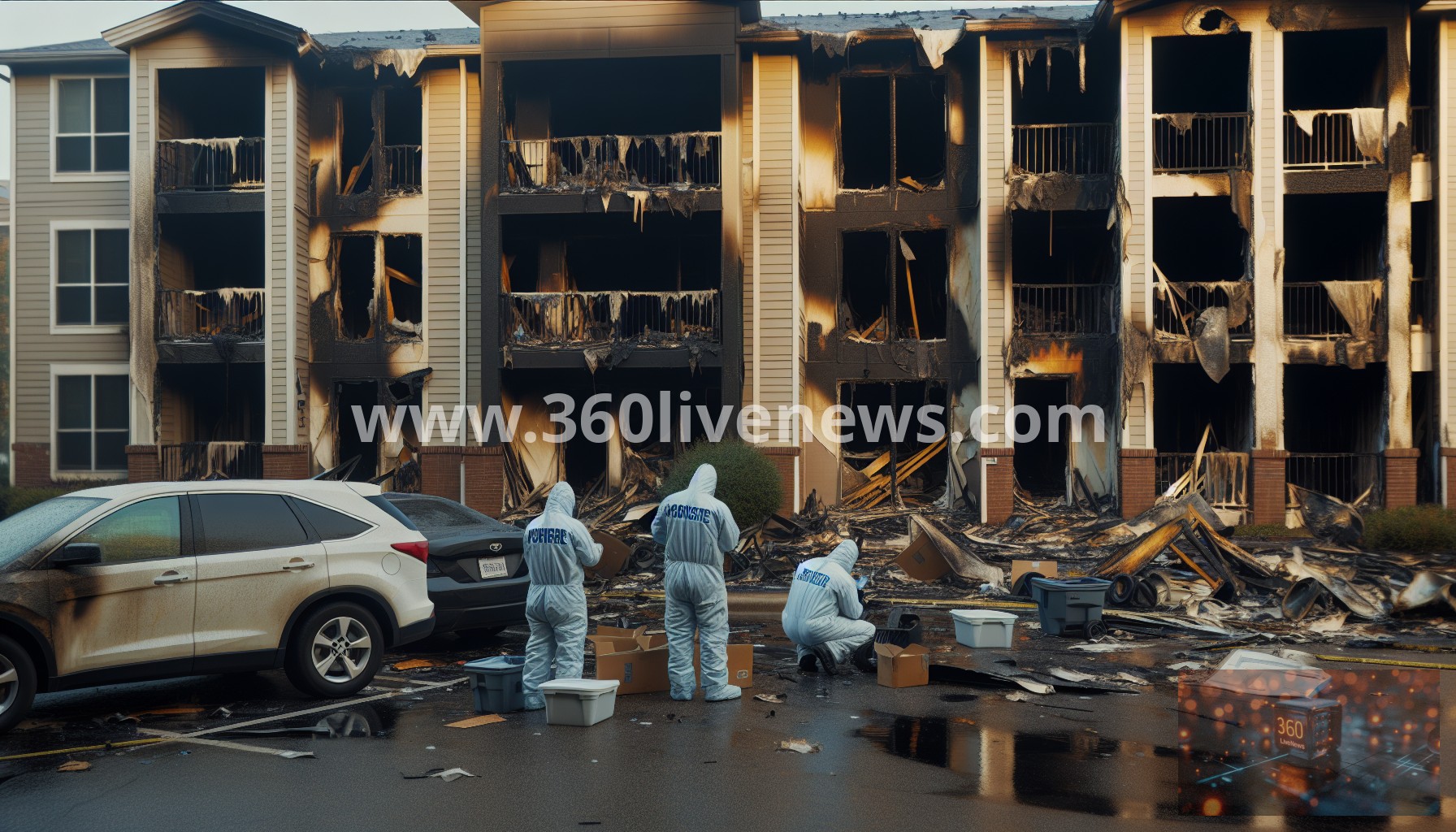
In a shocking revelation, a public inquiry has disclosed that nearly all life-saving fire safety measures failed during the devastating fire at Wang Fuk Court in Hong Kong's Tai Po district. The inferno, which broke out on 26 November, resulted in 168 fatalities, marking it as the deadliest residential building fire globally since 1980. The inquiry has been addressing the catastrophic failure of safety protocols, which significantly contributed to the fire's rapid escalation, consuming seven out of eight residential towers on the property.
The inquiry, driven by the need to understand the causes of the fire and prevent future incidents, heard from leading counsel Victor Dawes. He stated that the tragedy has left a lasting impact on the community, acknowledging that the fire "left a scar that is hard to forget," as it drastically altered the perceptions of safety in residential spaces across the city. Initial reports indicate that construction materials, including bamboo scaffolding, protective netting, and foam boards used during the renovation process, may have played a role in the blaze's spread, raising questions about construction standards and oversight.
The fire at Wang Fuk Court has prompted legal and public scrutiny of Hong Kong’s fire safety regulations, which were already under review due to previous incidents. Investigations have revealed that the building was undergoing extensive renovations at the time, further complicating the scene. Moreover, eyewitness accounts indicate that inadequate fire alarm systems contributed to the inability to alert residents effectively during the critical moments of the fire outbreak.
Since the tragedy, the Hong Kong government has faced sharp criticism from various quarters, leading to an urgent call for a comprehensive reassessment of fire safety standards across all residential complexes in the region. This inquiry aims to thoroughly assess not only the immediate causes of the fire but also systemic failures within regulatory bodies responsible for building safety. The residential building in question had previously passed inspections that failed to reflect the ongoing renovation work.
In light of these developments, there has been an outpouring of public support for victims' families, prompting solidarity marches and memorial services to honour those lost. Community members and advocacy groups are rallying for changes in policy, expressing fears over the safety of similar buildings throughout Hong Kong. This response underscores a growing public desire for clarity and accountability, as the fire has been described as a catastrophic event that has shaken the trust in local governance and building safety practices.
As the inquiry progresses, it is seeking to delve into the involvement of various stakeholders, including contractors and regulatory agencies. The implications extend beyond the immediate response, impacting broader discussions about urban planning and fire safety in densely populated areas. Effective risk management protocols are key to preventing such tragedies in the future.
The scale of the fire and its aftermath raises crucial questions regarding the adequacy of existing safety regulations. Previous incidents, while less deadly, have highlighted the need for a more stringent oversight system within Hong Kong’s housing sector. Industry experts suggest that unless substantial reforms are implemented, residents may remain vulnerable to similar disasters, necessitating an urgent examination of regulatory frameworks governing construction and building safety.
While discussions continue about regulatory oversight and the effectiveness of public safety measures, officials are expected to face intense scrutiny over the inquiry's findings. Pressure is mounting on the local government to act swiftly in implementing changes to building codes and safety regulations to not only avoid future tragedies but also restore public confidence in housing safety. This inquiry may serve as a pivotal moment for fire safety legislation in Hong Kong.
In conclusion, the Wang Fuk Court fire tragedy is a critical juncture in Hong Kong's ongoing struggle to ensure residential safety. As the inquiry unfolds, it will serve as both a somber reminder of the lives lost and a catalyst for potential regulatory reform that may lead to enhanced safety standards across the territory. Community members, city officials, and fire safety advocates are all keenly awaiting the outcomes, hoping for a shift that prioritizes human life and safety above all else.
#HongKong #FireSafety #Inquiry #Construction #Regulations #TaiPo #BuildingSafety #Victims
