Tanker carrying Russian diesel set to arrive in Cuba amid US fuel blockade
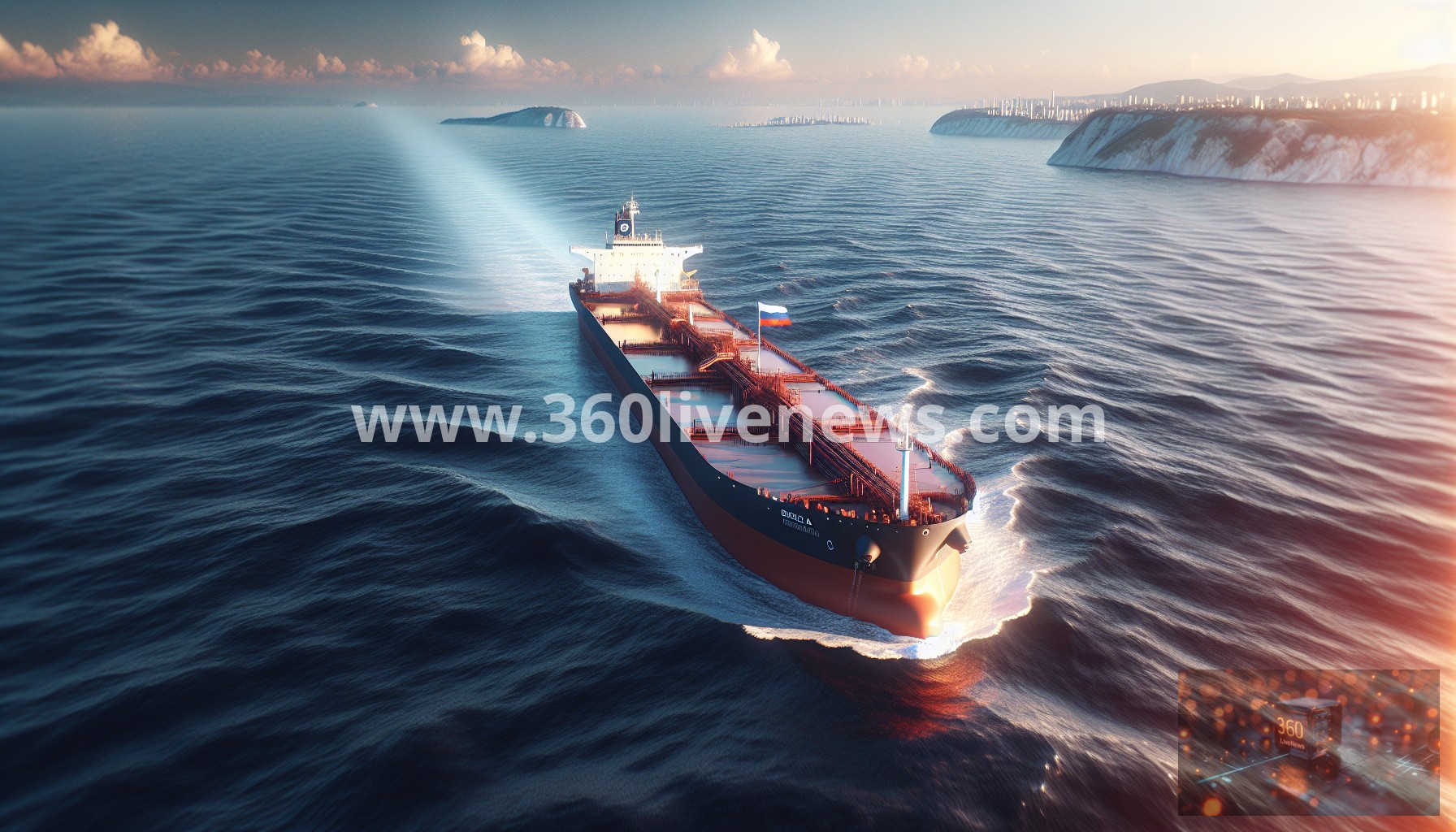
A tanker carrying Russian diesel is scheduled to reach Cuba "in several days", despite the ongoing US fuel blockade that has deeply affected the island's economy. Maritime intelligence firm Windward reports that this arrival would mark the first confirmed shipment of refined oil products to Cuba since early January. The tanker, identified as the Hong Kong-flagged Sea Horse, has purportedly employed deceptive tactics to navigate around enforcement of the blockade.
Earlier reports indicated that the Sea Horse had likely delivered approximately 190,000 barrels of Russian diesel to Cuba in early March. However, recent updates have clarified that the vessel has not yet arrived on the shores of the island, heightening anticipation around its impending docking.
The situation in Cuba has become increasingly dire, as the nation's economic woes are compounded by a recent blackout that affected citizens nationwide. With a population of around 9.6 million, the country has felt the pinch from a significant drop in oil supplies from Venezuela, a key ally. This downturn resulted from political upheaval leading to the ousting of President Nicolás Maduro by US interests.
Amidst these crises, the US blockade continues to restrict Cuba's access to foreign energy sources, further exacerbating conditions on the island. As Cuba struggles with supply shortages, the potential arrival of the Sea Horse stands to provide a much-needed lifeline.
This situation echoes historical precedents in Cuba's turbulent relationship with the United States, marked by a prolonged trade embargo initiated during the Cold War. The embargo not only restricted trade but also hampered development efforts on the island. The US has been particularly vigilant in monitoring shipments heading to Cuba, aiming to disrupt any attempts to break the blockade.
In long-standing geopolitical dynamics, Hungary's Prime Minister Viktor Orbán also finds himself in the spotlight as he resists supporting Ukraine in its struggle against Russia. Orbán has obstructed the European Union's implementation of a vital €90 billion (approximately $103 billion) loan intended for Ukraine, despite persistent pressure from other European leaders. This has left crucial funding in limbo, indicating a broader Euro-Russian tension exacerbated by their respective alignments with Cuba and Ukraine.
European leaders have expressed frustration at the summit discussions held in Brussels, where a concerted effort to sway Orbán's stance proved unsuccessful. An unnamed European official reported that discussions were "tough and rough", yet still resulted in no shifts in Orbán's position. Resistance from Hungary comes amidst growing concerns about Russia's invasion of Ukraine, which has now entered a fifth year.
The implications of these events unfold within a complex web of international relations where alliances are strained, and economic sanctions are wielded as tools of foreign policy. The arrival of the Sea Horse may not only affect Cuba’s immediate fuel crisis but could also have broader geopolitical ramifications, potentially encouraging other nations to sidestep US-imposed limitations.
As the situation develops, stakeholders are closely watching the changing tides of international trade policy, energy security, and humanitarian conditions in both Cuba and Ukraine. A successful delivery from the Sea Horse vessel could set a precedent for future shipments amid ongoing diplomatic tensions and highlight the resilience of Cuba amidst international isolation.
#Cuba #Russia #Ukraine #EU #ViktorOrbán #NicolásMaduro #Maritime #Geopolitics
