Iran warns of zero restraint in response to Israeli airstrikes on its energy facilities amid escalating conflict
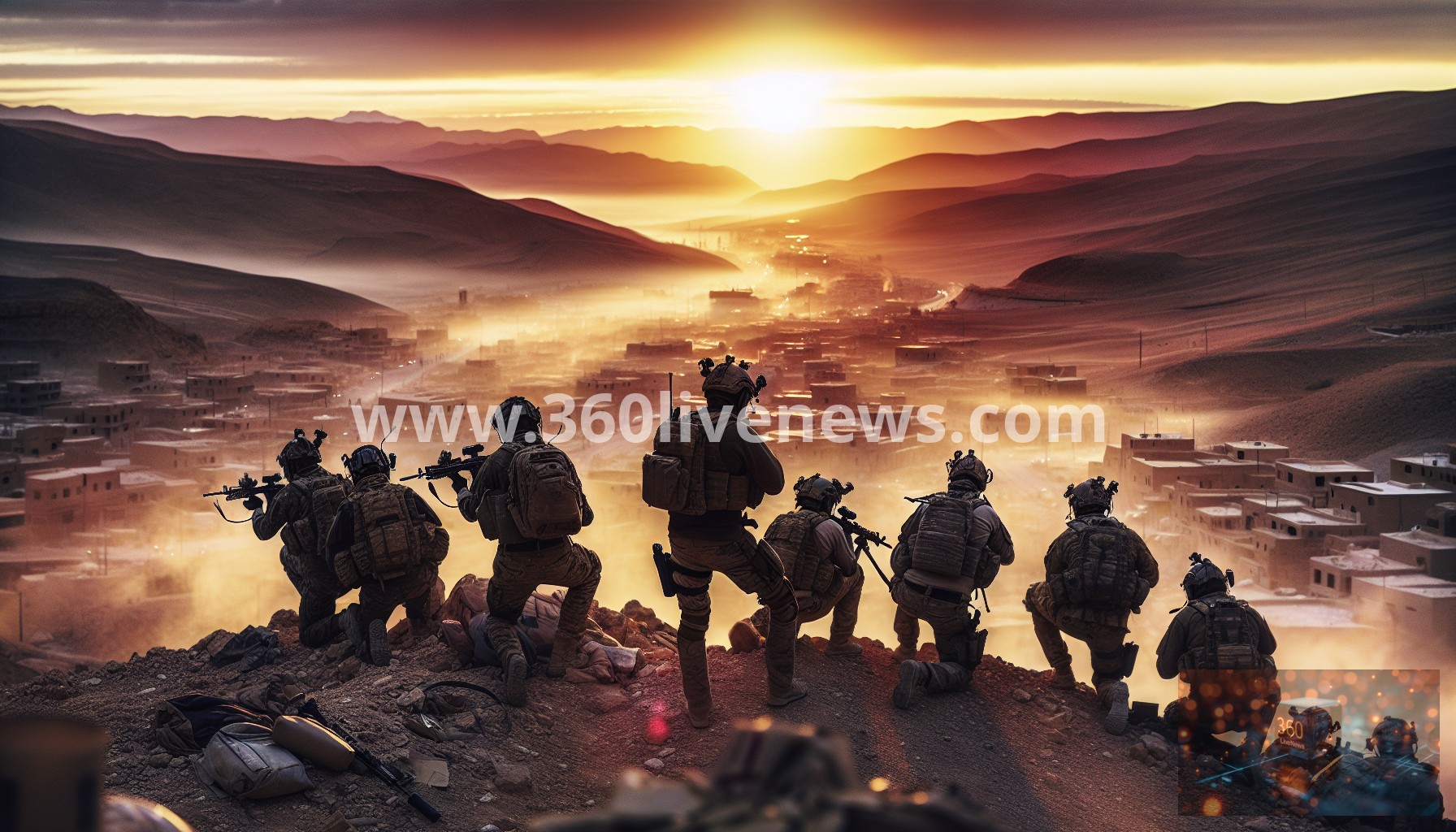
The ongoing conflict between Iran and Israel has intensified significantly, with recent military actions prompting major geopolitical concerns. In a harsh response to Israeli airstrikes on its energy facilities, Iran has issued a stark warning of "zero restraint" regarding any future attacks on its critical infrastructure. This development follows Israel's strike on the South Pars gas field, which serves as a vital component of Iran's energy exports, and subsequent retaliatory actions by Tehran targeting energy sites across the Gulf. The regional risk of further escalation looms as leaders from both governments signal commitment to escalating military strategies.
Israeli Prime Minister Benjamin Netanyahu has indicated that the government may consider incorporating a "ground component" into its military operations against Iran. This potential shift could signify a new phase in the conflict, where ground-based tactics could exacerbate regional tensions. The Israeli strike on the South Pars gasfield represents a marked escalation in military operations, which have not only affected Iranian energy infrastructure but also have potential implications for global oil markets.
The diplomatic rift has also involved the United States, where President Donald Trump controversially invoked the 1941 attack on Pearl Harbor during a meeting with Japan's Prime Minister Sanae Takaichi. Trump's comments came in defense of the element of surprise utilized in military strategies against Iran, reflecting an aggressive posture that may further strain international relations. The reference to Pearl Harbor, a pivotal moment in U.S. history, draws a parallel between past surprises and current military operations, emphasizing the severity of the ongoing situation.
As the military conflict escalates, the impact on global oil markets has grown increasingly severe. Both the United Kingdom and Europe are experiencing sharp increases in oil and gas prices, attributed to fears of supply disruptions connected to the military actions in the Middle East. The current crisis has led to alarms over potential shortages, with the International Energy Agency (IEA) issuing recommendations to member countries to prepare for escalating energy demands.
In response to high oil prices and impending fuel shortages, the IEA has proposed several emergency measures, including working from home, reducing highway speeds, and limiting vehicular access to designated urban areas based on odd or even license plates. These strategies aim to curb demand amid expectations of drawn-out supply disruptions due to the conflict. The agency serves as a central node in coordinating international energy policies during crises, emphasizing the interconnected nature of energy security among nations.
Experts in cybersecurity have also raised concerns about the potential for increased Iran-linked cyberattacks amid the military escalation. Richard Browne, the Director of Ireland's National Cyber Security Centre (NCSC), noted that the risk landscape for cyber threats has escalated, citing a recent attack on the Cork base of the medical technology company Stryker, attributed to the Iran-linked hacking group Handala. The conflict has heightened the stakes for cybersecurity, particularly for countries with critical infrastructure vulnerabilities.
The humanitarian implications of the conflict are concerning, as military operations are set against a backdrop of civilian distress across the region. Evacuations and security measures are likely being discussed by impacted nations as they address the challenges posed by increased tensions. Offsets in the energy supply chain might also lead to economic ramifications, potentially affecting global markets and the livelihoods of citizens reliant on stable energy prices.
In earlier stages of the conflict, Iran's existing tensions with Israel were compounded by a broader struggle involving U.S. interests in the region, illustrating complex geopolitical dynamics. Historical relations have often been fraught, characterized by aggressive posturing from both Tehran and Jerusalem, complicated further by external influences from the United States and allied nations.
This critical juncture raises profound questions about energy security, international diplomatic frameworks, and the implications of military confrontations on regional stability. As markets react to rising prices and volatile geopolitical currents, institutions and governments will need to navigate this evolving crisis carefully to mitigate broader consequences.
#Iran #Israel #US #OilPrices #IranConflict #IAE #CyberSecurity #EnergySecurity
