Spain to reduce VAT on fuel products from 21% to 10% to address economic impact of Middle East conflict and rising inflation
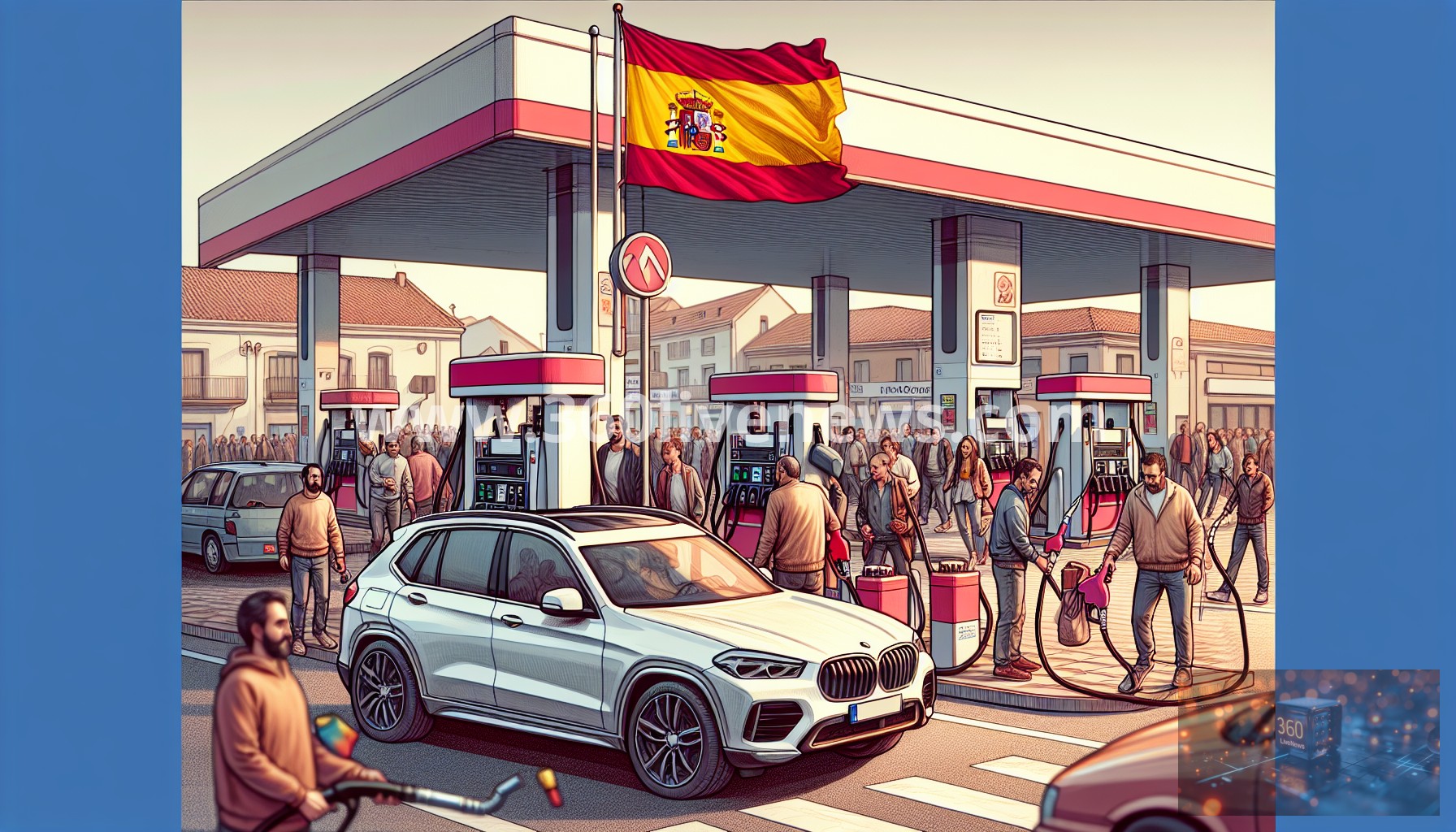
In recent developments, Spain has announced it will reduce the value-added tax (VAT) on fuel products from 21% to 10%. This decision aims to alleviate the economic impact stemming from the ongoing conflict in the Middle East, specifically related to heightened tensions involving Iran and Israel. According to a report by SER radio station, this pivotal change is part of broader measures to address anticipated economic challenges, including rising inflation rates across Europe.
The Spanish government's proactive measures also include suspending excise duties on hydrocarbons, which is expected to lead to a price reduction of between €0.30 and €0.40 per litre for both diesel and petrol. Additionally, they plan to eliminate a 5% tax on electricity consumption. The announcement of these measures is set for 11 am local time, with comments from government spokespeople anticipated ahead of the press conference. This shift in fiscal policy reflects not only a response to current conflicts but is also a strategic effort to stabilize the economy amid concerns over soaring energy prices.
European countries, particularly those reliant on imported energy, have been mobilizing to mitigate the expected rise in inflation. Financial analysts forecast that inflation in the eurozone may reach nearly 4% over the next year, with expectations that it might take several years for rates to revert to the European Central Bank's target of 2%. This economic strategy underscores a broader context of insecurity surrounding energy supplies, as the situation in the Middle East might influence energy markets more significantly in the future.
Mentioned in the ongoing discourse surrounding the Iranian conflict, Dan Marks, a research fellow at the Royal United Services Institute, emphasized that the conflict poses substantial risks to energy security. He highlighted the recent attacks on Iran's massive South Pars natural gas field, an action that raises the specter of further escalation. Both Iran and Israel may intensify their military strategies, targeting critical energy infrastructures, which not only contributes to local tensions but also destabilizes global energy markets.
The implications of these developments extend beyond immediate economic impacts. They raise significant concerns regarding geopolitical stability in the region, as any further escalations could deepen the crisis and affect global oil and gas supplies. Nations are urged to be vigilant, as any confrontation involving key players like Iran may have repercussions across Europe and beyond, particularly concerning energy prices and availability.
Historically, Spain and other European nations have faced economic strains exacerbated by external conflicts. The reliance on energy imports compels European governments to frequently assess their economic policies and seek alternatives to ensure stability. The reduction of VAT and the suspension of excise duties signify a recognition of the pressures exerted on energy consumers amid the current crisis. This not only reflects short-term relief measures but is also indicative of a broader strategic pivot addressing energy dependency and economic resilience.
As Spain implements these measures, the effectiveness in curtailing inflation and stabilizing energy prices will be closely monitored. Analysts argue that the long-term implications of the Middle East conflict will necessitate continued reevaluation of energy policies across Europe. Moreover, the interconnectedness of European economies means that any significant disruption in the energy market can resonate widely, impacting inflation rates, energy security, and economic recovery efforts.
In summary, heightened geopolitical tensions between Iran and Israel have prompted Spain to act decisively by reducing fuel taxes and cutting duties on hydrocarbons. The forthcoming announcement will reveal additional details, but the commitment to alleviating economic pressures emphasizes the urgent need for coordinated responses among European nations. This unfolding situation is likely to shape both immediate energy policies and longer-term strategic frameworks for energy security across Europe.
