Trump warns of severe US response to Iran's attack on Qatar's energy complex amid rising Middle East tensions
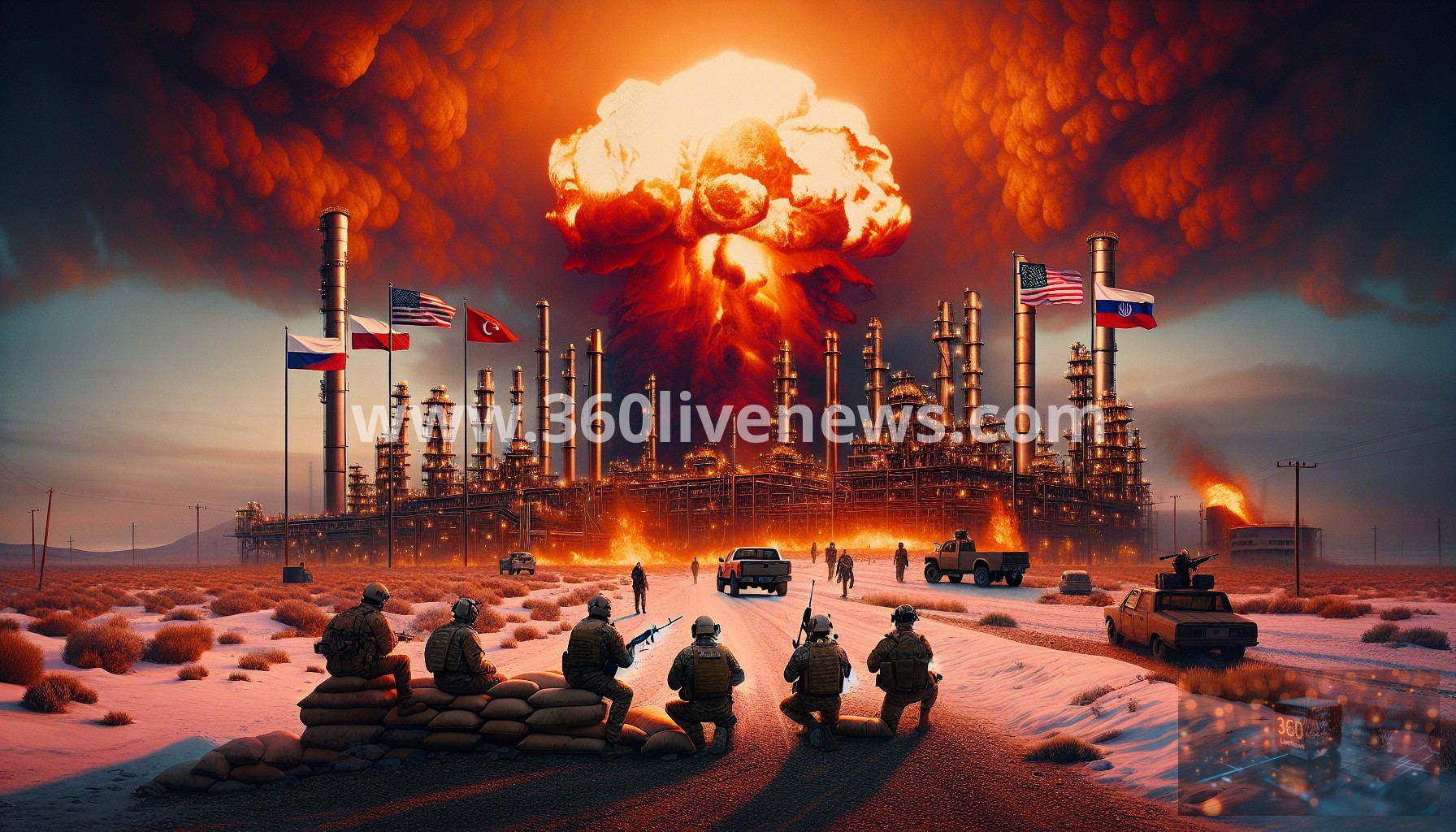
In a significant escalation of tensions in the Middle East, President Trump has issued a stark warning following Iran's recent attack on Qatar's Ras Laffan energy complex. Trump threatened that the US would "massively blow up" the world's largest gas field if Iran conducts further assaults on Qatari territory. This warning comes in the wake of heightened military and diplomatic agitation between Iran, Israel, and their respective allies.
The situation reportedly escalated when Iran bombed Qatar's energy infrastructure in retaliation against earlier Israeli strikes targeting its South Pars Gas Field. This retaliation marks a troubling development in the already strained relations within the region, exacerbating the ongoing energy crisis and contributing to a surge in global gas prices. Sources indicate that this tension has implications not only for regional stability but also for international energy markets.
Reports indicate that Iran's strike targeted key facilities in Ras Laffan, part of Qatar's critical energy exports. While specific casualty figures from this latest incident are still unavailable, previous encounters have resulted in significant losses, prompting urgent calls for diplomatic resolutions. The Iranian government has remained defiant, emphasizing its commitment to retaliating against perceived threats.
The US administration's response highlights its alliance with Qatar, reinforcing the notion that any aggression from Iran will invoke a strong military response. Trump's remarks coincide with discussions among military officials regarding contingency plans for retaliating against future Iranian hostilities. Given the strategic importance of Qatar in global energy supply, an unstable security environment in the region poses a risk of escalating energy prices further, affecting markets worldwide.
The geopolitical landscape surrounding this conflict is complex, characterized by longstanding tensions between Iran and Israel, exacerbated by broader regional dynamics involving neighboring states like Qatar and Saudi Arabia. Previous engagements between Iran and Israel have often spiraled into direct military confrontations, with both nations frequently launching strikes against each other's interests.
In addition to these military tensions, diplomatic efforts have been complicated by political narratives inflamed during the ongoing disputes over energy resources. After the bombing, tensions were already high due to the longstanding rivalry surrounding the possession of oil and gas reserves in the Persian Gulf, a theatre of geopolitical power struggles that have historical roots. This situation is further aggravated by Iranian ambitions to project its influence across the Middle East, often perceived as a direct challenge to US interests and allies in the region.
The stakes are particularly high for the global energy market, as any significant disruption in the supply chain can lead to abrupt increases in gas prices, already sensitive to geopolitical disturbances. Financial markets are advised to monitor these developments closely, as analysts predict that continued violence could lead to a supply shortage, creating ripple effects across the global economy. Alongside the immediate humanitarian consequences of these attacks, the international community is urged to engage in renewed diplomatic dialogues to avert a full-scale conflict. Observers warn that failing to address the underlying issues could lead to prolonged instability in the region.
The historical context surrounding Iran's military strategy indicates a pattern of aggressive posturing aimed at asserting dominance over its regional rivals. Since the implementation of various sanctions against Iran, the regime has increasingly resorted to military responses, as evidenced in recent conflicts. Meanwhile, Qatar’s strategic position as a leading natural gas exporter places it at the center of these tensions, given its alignment with Western military powers against Iran's regional ambitions.
As the situation develops, experts note that the US must balance its responses carefully, considering not only its interests but also those of its allies like Qatar. The calls for diplomatic engagement and conflict resolution will need to be prioritized to stabilize the region and ensure continued energy flow. Global leaders will likely intensify discussions on regional security frameworks, emphasizing the need for cooperative security measures to mitigate risks associated with military confrontations.
#Iran #Qatar #Israel #Energy #Military #Diplomacy #Tensions #GlobalEconomy
