Thousands to Protest in London Against US and Israeli Strikes on Iran's Nuclear Facility
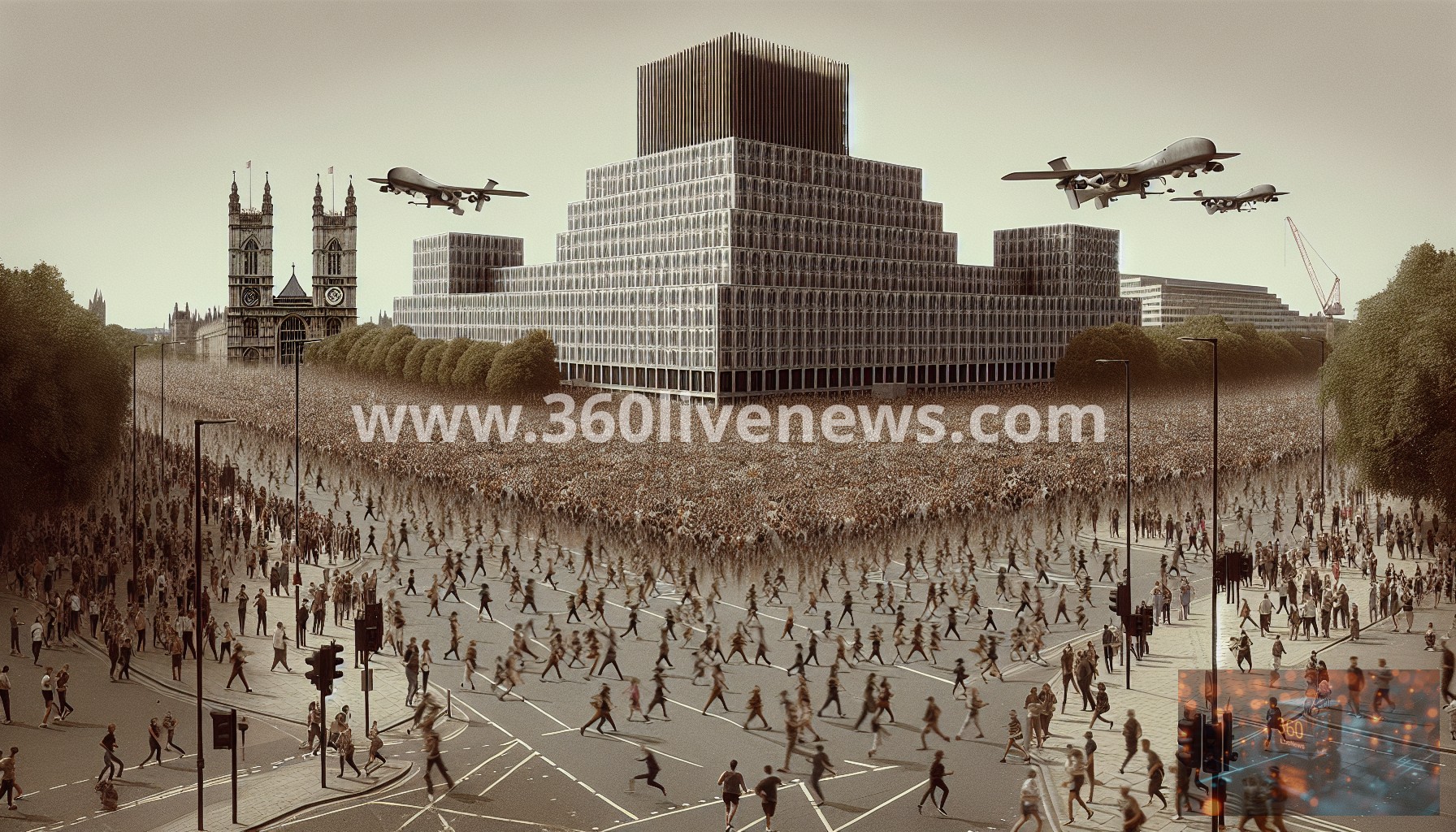
Thousands of protesters are expected to gather in central London this weekend as tensions escalate following the recent US and Israeli strikes on Iran's Natanz nuclear facility. The burgeoning unrest underscores growing discontent regarding foreign military actions and the ongoing situation in Iran. The main demonstration, organized by the Stop the War Coalition, aims to oppose the airstrikes and demand a cessation of hostilities.
As confirmed in reports, demonstrators will march from Russell Square, located near the British Museum, towards Richmond Terrace in Whitehall. The Metropolitan Police have set a strict timetable for the event, announcing that the assembly must conclude by 6 PM local time, with speeches and any amplified music to cease by 5:30 PM. A concurrent protest, titled "Stage for Freedom," will also take place, focusing on opposition to the Iranian government, marching from Hyde Park Corner to the Iranian embassy situated near Hyde Park.
The recent military action targeted the Natanz nuclear enrichment complex, one of Iran's most significant uranium processing sites, located approximately 220 kilometers southeast of Tehran. According to the Iranian Atomic Energy Organization, no radioactive materials were leaked from the facility as a result of the attacks, assuring local populations that there was no immediate danger. This event raises serious concerns about nuclear safety and international tensions in the region, contributing to existing geopolitical instability.
The attacks, described by Iranian authorities as "criminal," have intensified anti-American and anti-Israeli sentiments, encapsulated in Iran's characterization of the strikes as assaults on its sovereignty. The Iranian government has consistently maintained that its nuclear program is for peaceful purposes, a claim that is met with skepticism from Western nations, particularly amidst fears of regional nuclear proliferation. These protests in London reflect a broader wave of global opposition to perceived imperialist actions, with demonstrators rallying not only against military intervention but against the humanitarian impacts of such conflicts in the Middle East.
The backdrop to this unrest is shaped by years of escalating tensions between Iran and both the United States and Israel. Washington's historical withdrawal from the Joint Comprehensive Plan of Action in 2018 exacerbated hostilities, leading to a series of confrontations and heightened military preparedness on both sides. The situation of Iran’s nuclear ambitions continues to be a contentious issue on the international stage, drawing in various global powers and regional actors.
These protests also occur amid a climate of internal unrest within Iran, where citizens express frustration over economic sanctions, state repression, and calls for democratic reforms. The convergence of international military actions with domestic grievances indicates a potential flashpoint for both conflict and possible dialogue, as activists advocate for peace and diplomacy rather than further escalating military engagement.
Historically, protests in the UK against foreign military interventions have often mobilized diverse groups, including activists from various backgrounds advocating for peace and human rights. The Stop the War Coalition, established in 2001, exemplifies a long-standing opposition movement to military interventions, particularly in the Middle East. The coalition’s involvement in today's activism showcases its ongoing commitment to challenge government policies perceived as aggressive or interventionist.
These events call into question not only the immediate safety of regions targeted by military operations but also the long-term implications for international relations. The protests in London tie back to broader narratives of anti-war sentiment, showcasing public dissent against military tactics that many contend exacerbate humanitarian crises rather than resolve conflicts. As both protests and military actions unfold, the risk of further destabilization could prompt broader calls for diplomatic efforts aimed at de-escalating tensions and promoting constructive dialogue between conflicting parties.
#Iran #Israel #USA #Nuclear #Protests #London #Military #Diplomacy
