Iran Revamps Information Warfare Strategy Following US-Israel Airstrikes and Death of Supreme Leader Khamenei
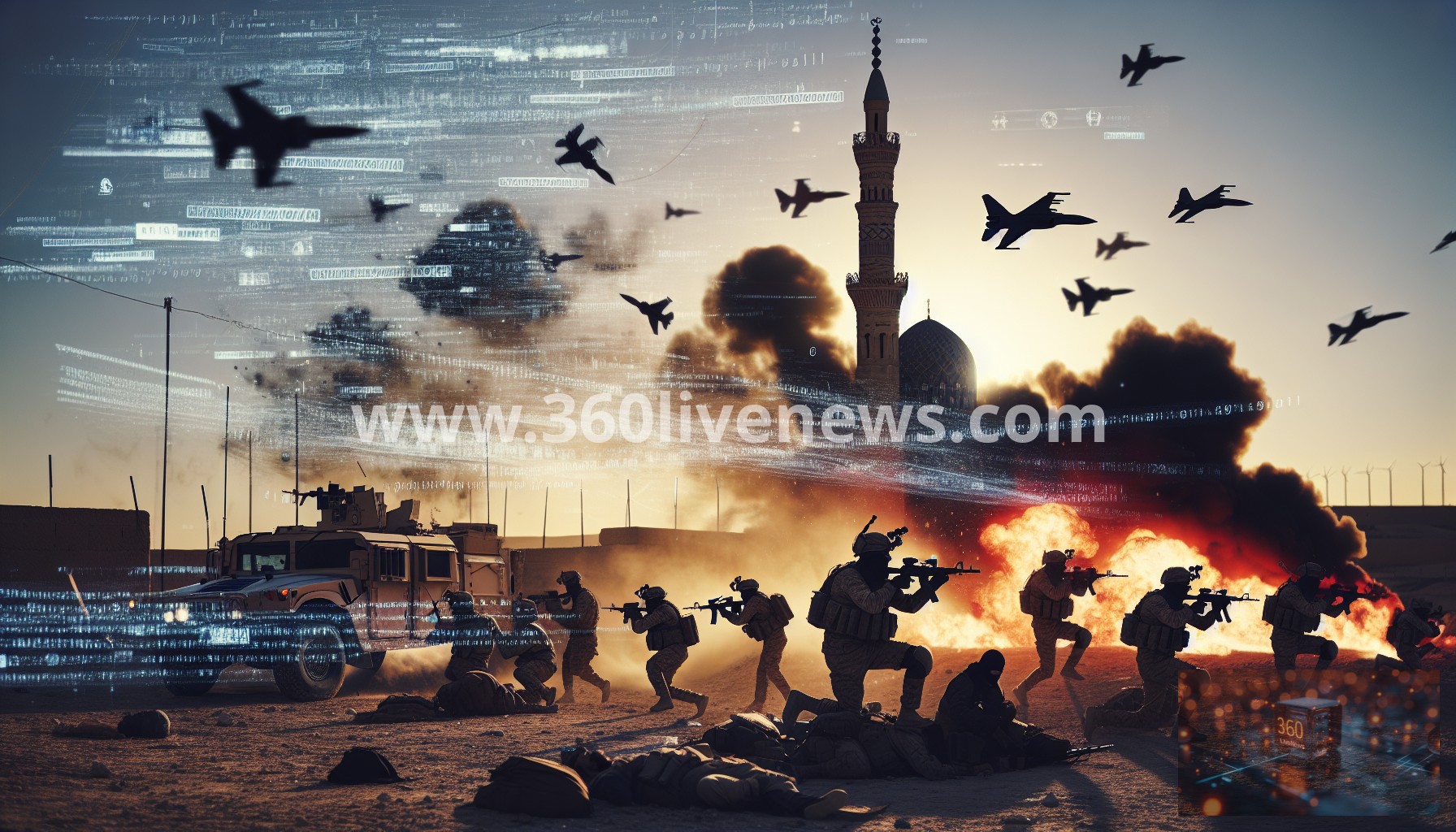
The ongoing conflict between Iran and Israel has intensified in recent days following military actions initiated by the United States and Israel. The airstrikes, particularly one that resulted in the death of Iran's Supreme Leader, Ayatollah Ali Khamenei, have triggered a drastic shift in Iran's strategy, particularly in the sphere of information warfare. Cyber experts note that Iran has dramatically revamped its social media tactics, launching an all-out information war aimed not just at engaging its domestic audience, but also at influencing perceptions abroad.
In the wake of these military strikes, financial markets responded with initial optimism that the economic ramifications would be temporary. Analysts, including those at Goldman Sachs, initially predicted that oil prices would stabilize and potentially decline over the year. However, that outlook has changed swiftly with the report that oil prices have now surged above $100 a barrel. Trends indicate that European gas prices have doubled as the geopolitical tensions remain unresolved. Central banks, including the US Federal Reserve and the Bank of England, are expressing concerns that sustained military conflict could lead to long-term inflationary pressures and slow economic growth across the globe.
The information war led by Iran’s ruling regime is marked by a focus on influencing public opinion against US and Israeli actions. The change in approach aims to complement any military retaliation that Iran may undertake. By utilizing social media platforms like X, Instagram, and Bluesky, the Iranian government is flooding global audiences with targeted messages criticizing US support for Israel, among other narratives. This tactic not only serves to strengthen domestic morale but also seeks to sway public opinion in countries aligned with the US, leveraging a broader narrative of anti-war sentiment.
As military actions continue to unfold, the Iranian government has intensified these influence operations as part of an “asymmetric” strategy aimed at pressuring both Washington and Tel Aviv to reconsider their military aggression. Cyber experts argue that this method of warfare aims to disrupt traditional responses through psychological influence as much as through direct military engagement. Iran's strategy appears to include the dissemination of AI-generated videos and memes, particularly targeting personalities such as former US President Donald Trump and Israeli Prime Minister Benjamin Netanyahu. This focus has replaced previous broader communications efforts that sought to gain traction for various political causes worldwide.
The ramifications of this military engagement extend beyond immediate violence, affecting global economic and political structures. Central banks are on high alert over the possibility of escalating tensions affecting oil supply chains, which could further complicate post-pandemic economic recovery efforts worldwide. Financial institutions had anticipated that geopolitical crises typically resolve quickly; however, the current situation indicates that the potential for a drawn-out conflict exists.
Historically, the relationship between Iran and Israel has been fraught with tension, rooted in ideological and territorial disputes. The religious and political landscape marked by mistrust means that military actions often provoke significant responses. The latest airstrikes come amidst an already strained atmosphere, where Iran has employed both conventional military tactics and unconventional information operations to counter perceived threats from foreign adversaries.
Iran's recent military actions and subsequent information strategies can be viewed through the lens of its longstanding rivalry with Israel, as well as its interactions with the United States. The conflict underscores not only a regional power struggle but can also be seen reflecting broader geopolitical alignments and the delicate balance in international relations. With both financial markets and political structures affected, the stakes are high for various global actors.
The global implications of this situation are not yet fully understood, but experts caution that the ongoing conflict could see ripple effects through the global economy, where already volatile markets are likely to react to indicators of further escalation. This will be a pivotal moment for both Iran and Israel, as each must navigate the rapidly evolving dynamics of military engagement and information warfare in a highly interconnected world.
As the situation develops, the world watches closely to see how economic pressures, military strategies, and information campaigns will unfold in this intricate and dangerous geopolitical chess game.
#Iran #Israel #US #Military #Economy #InformationWarfare #OilPrices #CyberWarfare
