Brent crude oil prices rise from €60 to over €100 per barrel amid escalating conflict in Iran
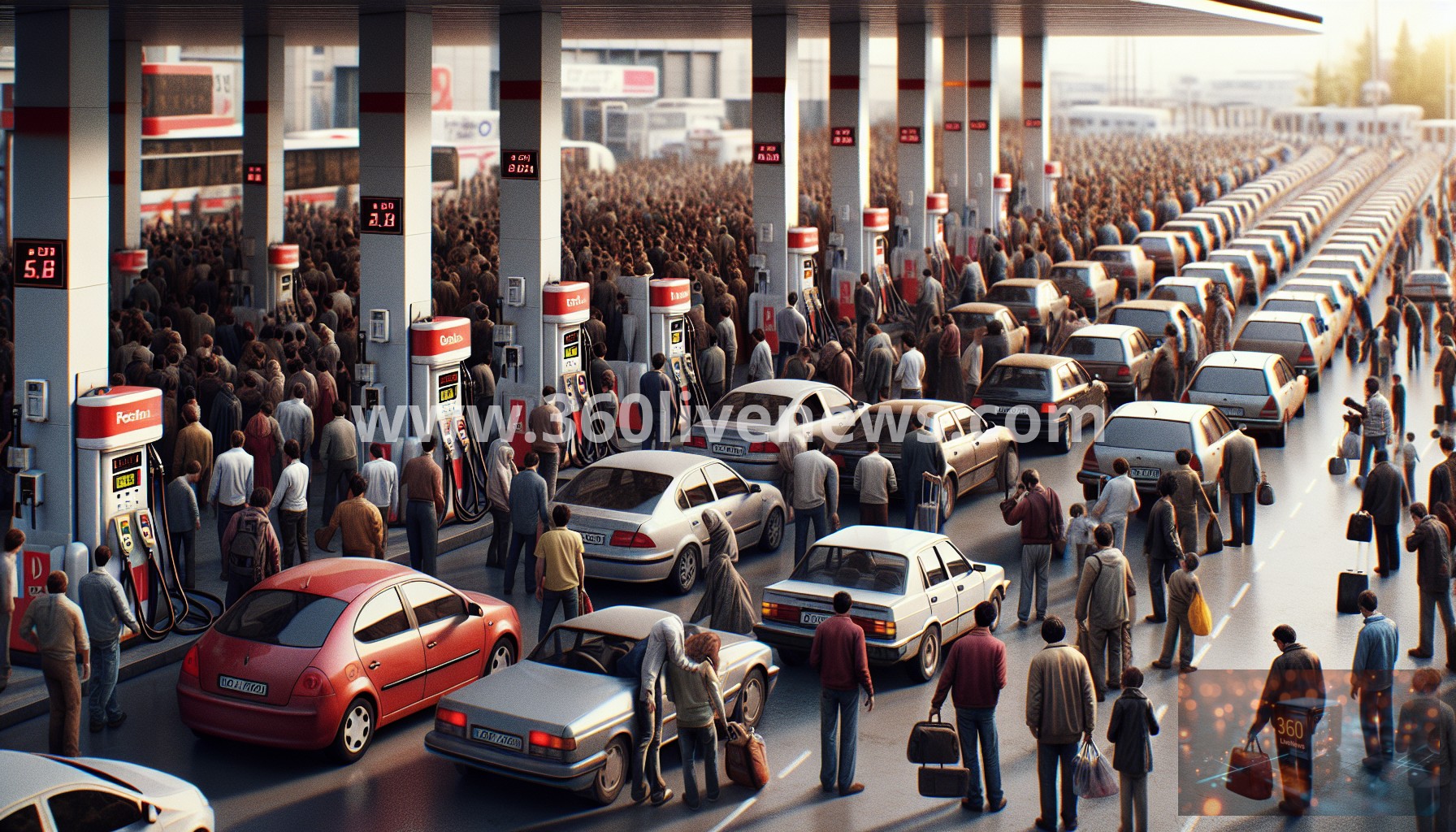
The ongoing conflict in Iran is intensifying its impact on global energy markets, with Brent crude oil prices soaring significantly. As of late Sunday, in the wake of the recent attacks that began on February 28, Brent crude has surged from around €60 to over €100 per barrel. The war has not only disrupted oil supplies but has also led to escalating costs for fuel and energy across Europe. Reports indicate that fuel prices in Spain have risen by 34% and that similar increases are being witnessed in several other European nations.
The situation has prompted a wave of responses from various governments across Europe, as they grapple with the implications of rising energy costs on their populations. Countries have begun to implement measures aimed at alleviating the financial burden on households and businesses. The conflict's escalation is compounded by rising natural gas prices, which have shot up by 60% since the onset of hostilities. Such figures illustrate the conflict's immediate economic fallout, highlighting the vulnerabilities in Europe’s energy supply chain, particularly in the context of the Strait of Hormuz, through which approximately 20% of global oil supplies pass.
Fuel prices at petrol stations across Europe have reached alarming levels, particularly for diesel, which is seeing the most significant price hikes. In Germany, prices have surpassed €2 per litre, while countries like Portugal have reported increases nearing 17.5%, and Spain is seeing a staggering 34.3% rise in diesel prices. The persistent rise in costs is putting immense pressure on consumers, leading to widespread discussions about the possible need for emergency measures or subsidies from governments to mitigate the impact on everyday life.
Israel's military operations have further complicated the regional dynamics, with recent actions reported in Lebanon where a bridge was destroyed. This incident has been interpreted by Lebanese officials as a potential precursor to a ground invasion by Israel. The continuous back-and-forth military actions signify a marked escalation in the conflict, heightening fears that the instability could further disrupt global oil supplies and inflate prices even more. Observers note that the situation has reached a critical juncture, with each action possibly leading to more aggressive responses.
As part of their responses, European nations are exploring various strategies to address these energy shortages and economic impacts. Germany, for instance, has been proactive in announcing financial support packages for households facing steep electricity and gas bills. These initiatives are part of broader attempts to shield the economy from rising energy prices while ensuring that essential services remain accessible to the public. The European Commission may also consider collective action, which involves coordinated measures among member states to stabilize the energy market.
The backdrop of this escalation in Iran is deeply rooted in a complex web of historical tensions and geopolitical movements. The Iranian nuclear program has long been a contentious issue that has strained relations between Iran and Western nations, notably the United States and its allies in Europe. Additionally, the broader implications of a significant rise in energy prices are critical, as they have the potential to destabilize not only the economies within Europe but also global markets reliant on this vital resource.
The war in Iran, its connections to the Iranian military's engagement with various regional actors, and the ongoing tensions involving Israel and Lebanon demonstrate the complexity of the situation. For instance, the military capabilities of Iran, along with its support for proxy groups in the region, may not only broaden the conflict but also resonate on global economic trends, particularly affecting oil prices and regional instability.
In summary, while energy costs are surging dramatically, the full breadth of geopolitical and economic consequences is still uncertain. Governments in Europe are under pressure to act swiftly in response to a situation that is rapidly evolving. The interplay between military actions in the region and energy markets will likely dominate headlines as the conflict continues to develop and its ramifications on global economies unfold.
#Iran #EnergyCrisis #FuelPrices #Israel #Lebanon #Geopolitics #EU #Conflict
