Tuen Mun Hospital in Hong Kong performs first non-invasive MRgFUS procedure for Parkinson's disease treatment
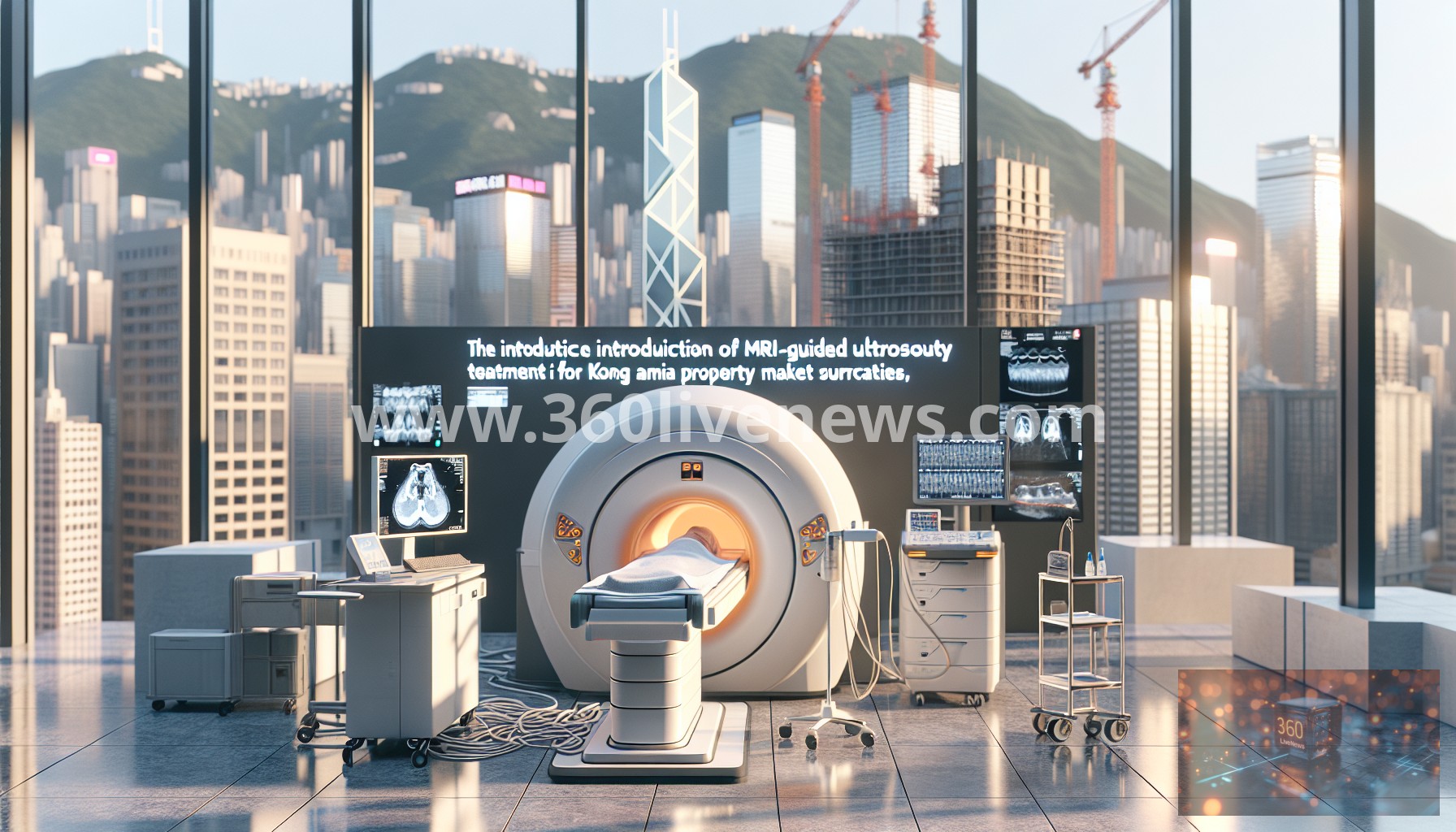
Hong Kong has marked a significant milestone in medical treatment options for Parkinson's disease as Tuen Mun Hospital successfully conducted its first non-invasive procedure utilizing magnetic resonance-guided focused ultrasound (MRgFUS). This groundbreaking technique aims to alleviate uncontrollable tremors in patients suffering from the condition. The hospital has indicated that it plans to treat 40 patients over a two-year period as part of its ongoing research into this innovative treatment method.
During the MRgFUS procedure, ultrasound beams are guided through the scalp and skull, targeting specific areas of brain tissue without the need for incisions. This method enhances precision in targeting, thereby minimizing harm to surrounding tissues. The success of this treatment is seen as a promising option for those affected by Parkinson's disease, which often leads to debilitating tremors and significantly affects the quality of life.
In a statement from Tuen Mun Hospital, officials expressed optimism about the potential of this treatment: "The introduction of MRI-guided ultrasound represents a leap forward in the management of Parkinson's disease, providing a less invasive option for patients." This treatment has garnered attention not only for its innovative approach but also for its implications for expanding therapeutic options available to patients facing this condition.
Parkinson's disease is a progressive neurological disorder that impacts movement, often leading to tremors. Traditional treatment options generally include medication and in some instances, surgical interventions such as deep brain stimulation. However, these conventional methods can be limited in efficacy and are often accompanied by various side effects. The MRgFUS offers a non-invasive alternative that could reduce the burden of surgery and its associated risks.
Historically, the management of Parkinson's disease has been evolving, with various approaches explored over the years. The recent development at Tuen Mun Hospital signifies a continuation of this evolution, responding to the needs of patients seeking effective management without the complications of surgery. The interest in non-invasive technologies has been fueled by advancements in imaging techniques, making procedures like MRgFUS feasible and safe for broader application.
The impact of this development extends beyond individual patients, potentially influencing healthcare policies regarding the treatment of Parkinson's disease. As healthcare systems globally adapt to emerging technologies, hospitals in Hong Kong may find themselves at the forefront of adopting innovative practices that improve patient outcomes. This aligns with a growing trend towards less invasive medical interventions in neurology.
Moreover, successful implementation of this procedure could pave the way for further research into similar treatments. It raises questions about the integration of advanced imaging technologies into routine clinical practice, potentially reshaping how neurological conditions are treated. While it is still early days, the initial success could encourage further investments in research and development within this area.
In light of these developments, patients and caregivers will be monitoring the progress and results from Tuen Mun Hospital closely. With an anticipated 40 patients set to receive treatment under this new protocol, the healthcare community will be evaluating the effectiveness of MRgFUS in real-world applications. The outcomes of these initial procedures can provide valuable insights into the treatment pathway for Parkinson's and possibly lead to the adoption of similar technologies across the region.
This innovative approach could lead to broader implications for the healthcare industry in Hong Kong and other regions, strengthening a framework that embraces cutting-edge technology in treatment methodologies. As healthcare continuously evolves, the collaboration between medical institutions and research entities will be pivotal in developing new solutions to longstanding health issues.
#HongKong #TuenMunHospital #ParkinsonsDisease #MRI Ultrasound">#Ultrasound #HealthcareInnovation #NonInvasiveTreatment #MedicalResearch
