Hong Kong allows police to demand passwords from devices of National Security Law suspects with penalties for non-compliance
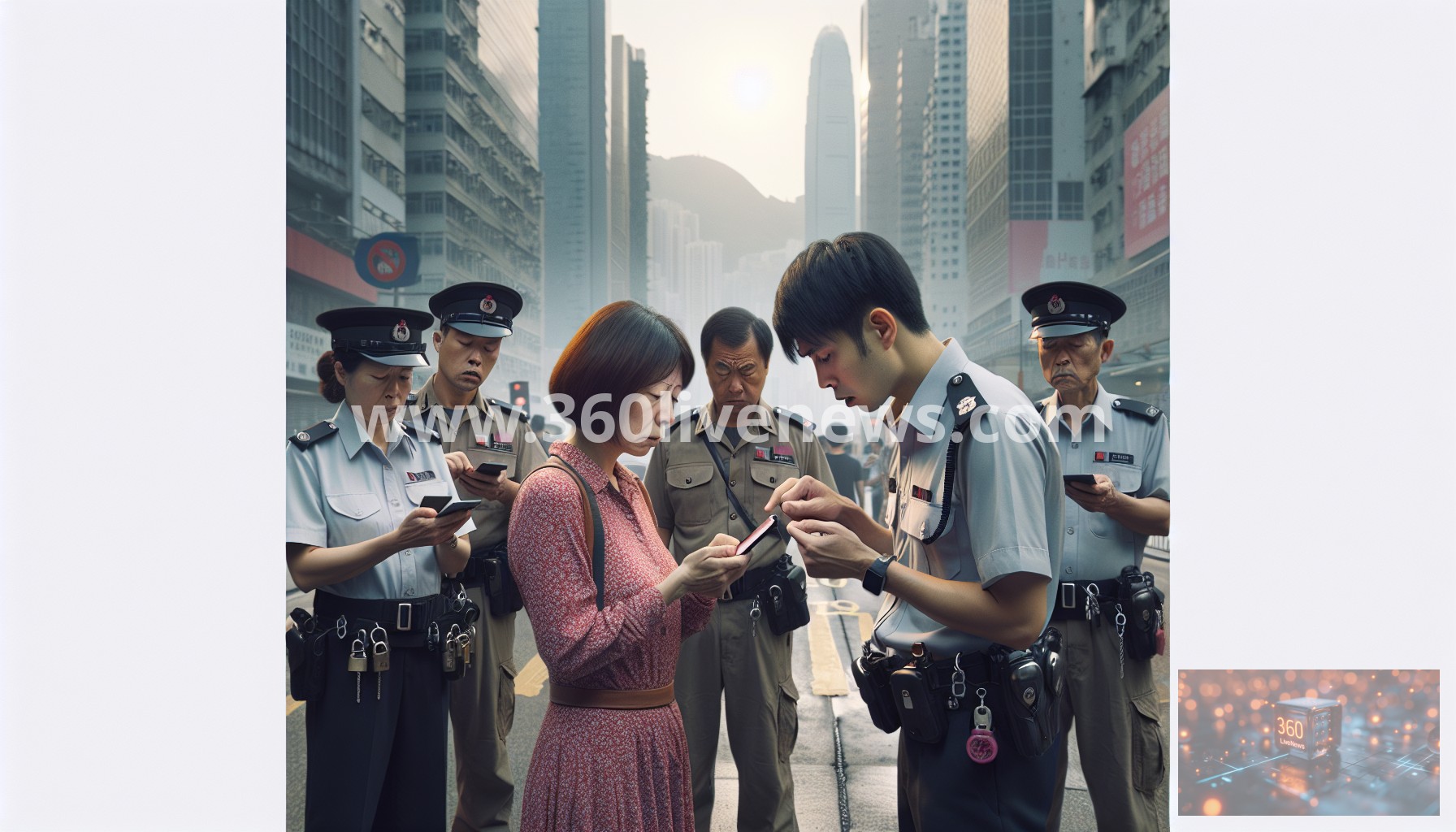
Hong Kong has implemented new amendments confirming that police can demand passwords from phones and computers belonging to individuals suspected of breaching the National Security Law (NSL). This regulatory change was gazetted on Monday. Those who refuse to comply with these requests now face penalties that include up to one year in jail and fines of HK$100,000, which equates to approximately $12,700 or £9,600. Moreover, individuals who provide "false or misleading information" regarding these requests could face even heavier sanctions, which include a potential three-year prison sentence.
The National Security Law, which came into effect in 2020, was introduced following significant pro-democracy protests in Hong Kong. The law addresses a range of serious offenses, including terrorism and acts of secession, which the authorities argue are necessary to maintain social stability. However, critics claim that these legal provisions are primarily aimed at suppressing dissent and curtailing freedoms in the region.
Along with implementing stringent measures for police powers, the latest amendments empower customs officials to confiscate items they believe may exhibit "seditious intention." This expansion of authority raises concerns about potential abuses of power and the ramifications for civil liberties within Hong Kong.
This development is set against a backdrop of ongoing tensions between Hong Kong authorities and pro-democracy activists. Activism in the region has increasingly come under the purview of the NSL, with notable figures facing legal repercussions under the law for their political expression. This includes the case of Chow Hang-tung, a barrister turned activist who is currently on trial for alleged subversion. Chow has criticized the enforcement of one-party rule and raised questions about the ambiguous principles surrounding China's constitutional framework.
Legal experts and human rights organizations have expressed alarm regarding the implications of these amendments. They argue that the demand for passwords and other surveillance tools represent a significant encroachment on personal privacy. As noted by the pro-democracy camp, measures such as these align with broader patterns of increasing authoritarianism in governance.
The introduction of the NSL was a pivotal moment in Hong Kong's modern political history, representing a shift towards a governance model that has effectively curtailed the rights previously enjoyed by residents. Lawmakers and Geneva-based human rights advocates argue that these laws not only restrict free expression but also stifle political dissent, which could have long-term impacts on Hong Kong’s democratic development.
As these tensions continue to escalate, the local government maintains that the measures are imperative for stability and order. Proponents of the law assert that ensuring national security must take precedence, even at the cost of reduced civil liberties. This perspective is reflective of a broader geopolitical narrative where security measures are increasingly normalized in regions of unrest.
In recent developments, the Hong Kong police's new authority to access personal digital information occurs alongside further crackdowns on pro-democracy groups and activists. Observers note a worrying trend where the legal framework is being weaponized to silence opposition and dissent, further contributing to an environment of fear among both citizens and activists.
This situation is far from static, as international bodies continue to monitor Hong Kong's compliance with global human rights norms. The international response to the extensive measures under the NSL may shape future diplomatic relations and trade agreements with Hong Kong and mainland China, influencing policy decisions in other democratic nations grappling with their approaches to national security.
#HongKong #NationalSecurityLaw #Policing #Activism #Surveillance #HumanRights #CrimeAndJustice #China
