Iran Announces Plans to Target Electrical and Desalination Facilities in the Middle East
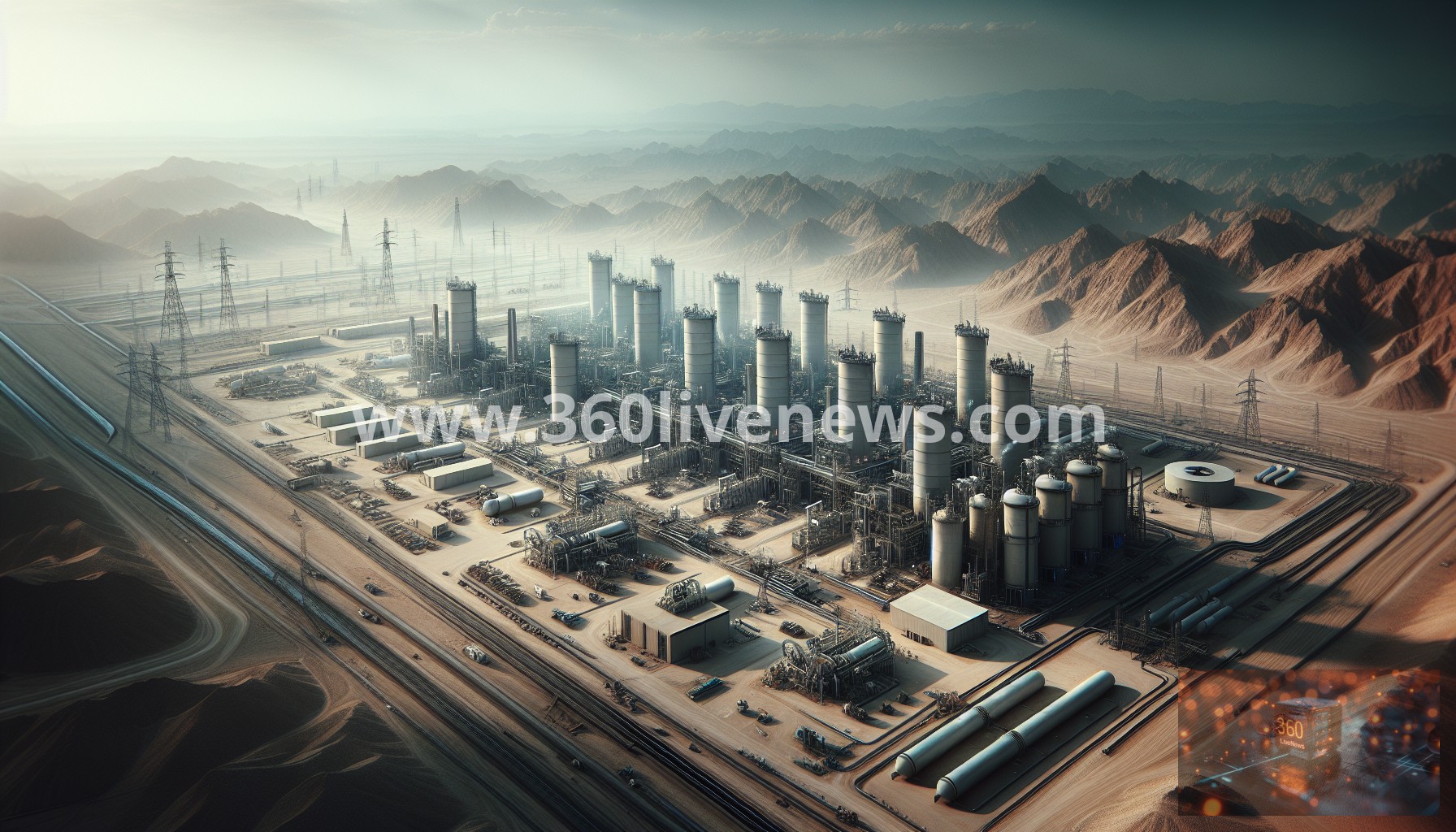
Iran has escalated its rhetoric by announcing it will target electrical plants and desalination facilities across the Middle East. This announcement follows a warning from US President Donald Trump regarding potential bombings of Iranian power stations. Iran's threats have significant implications for the Gulf states, where electricity supply is critical for both power and water resources, particularly given the co-location of power stations with essential desalination plants.
The Iranian leadership specifically mentioned that it would attack these infrastructures should the United States proceed with its aggressive military threats. This move highlights Iran's strategic focus on critical utilities that are vital not just for its own population but also for its neighbors, who rely heavily on these services. The Gulf region, characterized by arid conditions, depends significantly on desalination plants to provide drinking water to its citizens and industries.
Simultaneously, Iranian officials have threatened to deploy mines throughout the Persian Gulf, further complicating shipping routes that are already strained due to tensions stemming from the blockade of the Strait of Hormuz. The Strait of Hormuz is a crucial passage for global oil shipments, and any disruptions could have far-reaching consequences for international trade and energy supply.
The United States has positioned military forces in the region in response to Iranian maneuvers. General Kenneth McKenzie, head of the US Central Command, indicated that the top leaders of Iran’s military are currently “in deep bunkers,” suggesting a defensive posture amidst fears of an impending strike. However, frontline Iranian troops reportedly remain vulnerable to ongoing airstrikes by American and Israeli forces.
President Trump's foreign policy has drawn scrutiny, characterized by impulsive decisions and a lack of coherent strategy regarding Iran. His administration has shown a zigzag approach, alternating between military threats and diplomatic overtures regarding the security of the Strait of Hormuz, a vital maritime chokepoint for oil transit.
Recently, Trump issued an ultimatum, demanding the reopening of the Strait within 48 hours or face substantial retaliatory measures, including the bombing of civilian infrastructure, specifically targeting Iranian power facilities. Critics of this strategy have raised alarm, with Democratic Senator Ed Markey labeling such threats as potential war crimes and indicative of a broader strategic failure by the Trump administration.
The ramifications of Trump’s deliberative approach to Iranian engagement have sparked concerns about the possibility of escalating military conflict. Supporters of the military actions argue that a hardline stance may compel Iran to alter its aggressive posture, while opponents view it as a reckless gambit that could spiral out of control.
This ongoing conflict comes against a backdrop of historical tensions between Iran and both the United States and Israel, with previous incidents of military engagement and severe sanctions prompting retaliatory responses from Iran. Iran's threats against Middle Eastern utilities are in line with a broader strategy that includes leveraging regional power dynamics and asymmetric warfare tactics. The threat to essential infrastructure highlights a significant aspect of modern conflict where utility services become integral to warfare and strategic considerations.
As tensions mount, it remains unclear how the United States will respond to Iran's threats, and what measures might be enacted to ensure the security of its interests and allies in a region fraught with volatility. Analysts suggest that continued military posturing may serve to heighten tensions further and complicate efforts at diplomacy.
This situation emphasizes not only the precarious nature of Middle Eastern geopolitics but also the interconnectedness of military actions, energy supplies, and regional stability. The potential for Iran to follow through on its threats could trigger a series of retaliatory strikes that could engulf the region in deeper conflict.
As events unfold, many in the international community will be closely monitoring the impact of these threats on regional and global stability. The stakes are notably high, given the potential fallout for both local populations who depend on these crucial services and the broader geopolitical landscape encompassing major global energy markets.
#Iran #Trump #MiddleEast #StraitOfHormuz #Military #Infrastructure #Conflict #Diplomacy
