Tallinn Mechanism member states pledge over €300 million for Ukraine's civilian cybersecurity needs
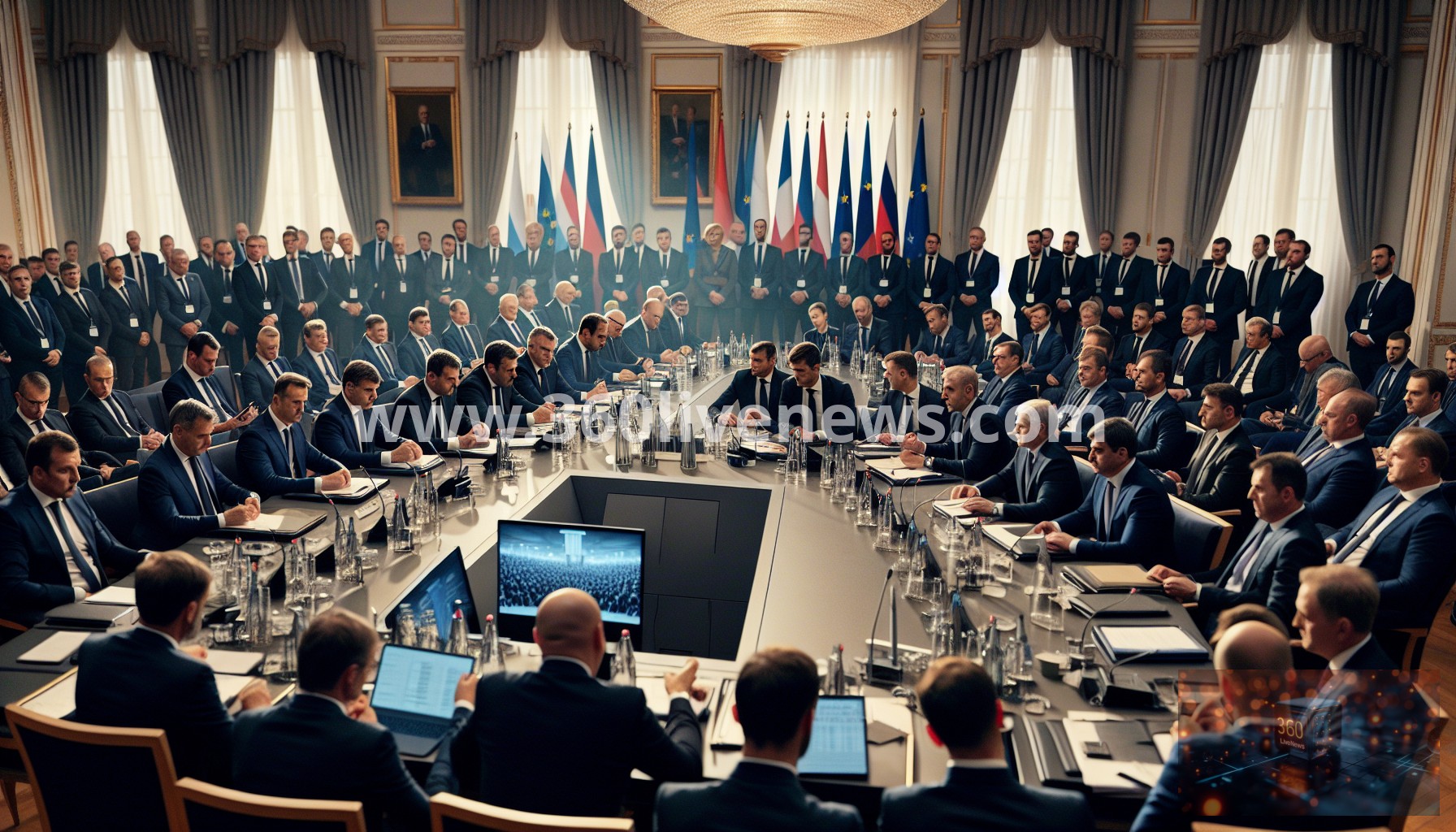
In a significant move to bolster Ukraine's resilience against Russian cyberattacks, member states of the Tallinn Mechanism have pledged over €300 million for Ukraine's civilian cybersecurity needs. This commitment was made during a recent meeting held in London on 9 and 10 March. The total amount dedicated to enhancing Ukraine's cyber defense capabilities since December stands at €302.6 million. This funding aims to support technical assistance and projects aimed at safeguarding critical civilian infrastructures, which are key to national security.
The renewed funding arrives as the conflict with Russia enters its fifth year, emphasizing the ongoing nature of cyber threats directed at Ukraine. The Russian state continues to perpetrate a broad campaign of cyber warfare that has been specifically targeting infrastructure essential for civilian life, such as communication systems, energy grids, and public services. The operational intent behind these cyberattacks is to undermine both Ukraine's national integrity and the effectiveness of its governmental institutions.
The Tallinn Mechanism, a group focused on enhancing cyber defense among its members, plays a vital role in shaping collective responses to hybrid threats. The coalition emphasizes the necessity for coordinated action to combat the prevalent cyber warfare, which has seen an increase in both scale and complexity. By improving Ukraine's capability to withstand and promptly recover from cyber incidents, the member states aim to limit Russia's ability to disrupt civilian infrastructure during an ongoing conflict.
The UK has been at the forefront of these collective initiatives, underscoring its commitment to not only support Ukraine but also to set a template for international cooperation in cyber defense. This leadership role within the Tallinn Mechanism illustrates the importance placed on advanced cybersecurity measures in the context of escalating hybrid warfare practices instigated by Russia. The commitment from the UK and its allies reflects a broader understanding of the cyber domain as a critical front in modern conflicts.
Moreover, as Ukraine increasingly relies on digital systems across various sectors, a robust cybersecurity framework is essential for maintaining societal stability. The potential for continued disruptions to vital services caused by cyberattacks illustrates the need for enhanced funding and expert collaboration to bolster these defenses. Reports indicate that as international efforts to assist Ukraine's civilian cyber defense ramp up, there will be significant impacts on Ukraine's capacity to remain functional amidst external aggressions.
This commitment is framed in the context of long-standing tensions between Russia and Ukraine, where cybersecurity has become paramount to national defense strategies. Recent years have exacerbated these challenges as Russia's tactics increasingly involve sophisticated cyber operations designed to destabilize Ukraine. As the trajectory of these cyber threats evolves, it becomes imperative that Ukraine adapts effectively to counteract them.
Looking forward, the significance of this pledge cannot be overstated; it not only provides immediate financial support but also sends a clear message of solidarity from the international community, particularly among European allies. As cyberattacks continue to pose risks to national security and economic stability, the collective effort through funding such as this highlights a commitment to safeguarding democratic institutions and civilian life.
The evolving nature of these threats underscores the necessity for ongoing vigilance and adaptation within both the private and public sectors in Ukraine. Investments in training, technological upgrades, and inter-agency collaborations will be critical to ensuring the effectiveness of the committed resources as Ukraine seeks to weather the storm of cyber hostilities effectively.
#CyberSecurity #Ukraine #Russia #TallinnMechanism #InternationalRelations #CivilDefense #EuropeanUnion #HybridWarfare
