Violence Escalates in Middle East Amid Claims of US-Iran Talks to End Ongoing War
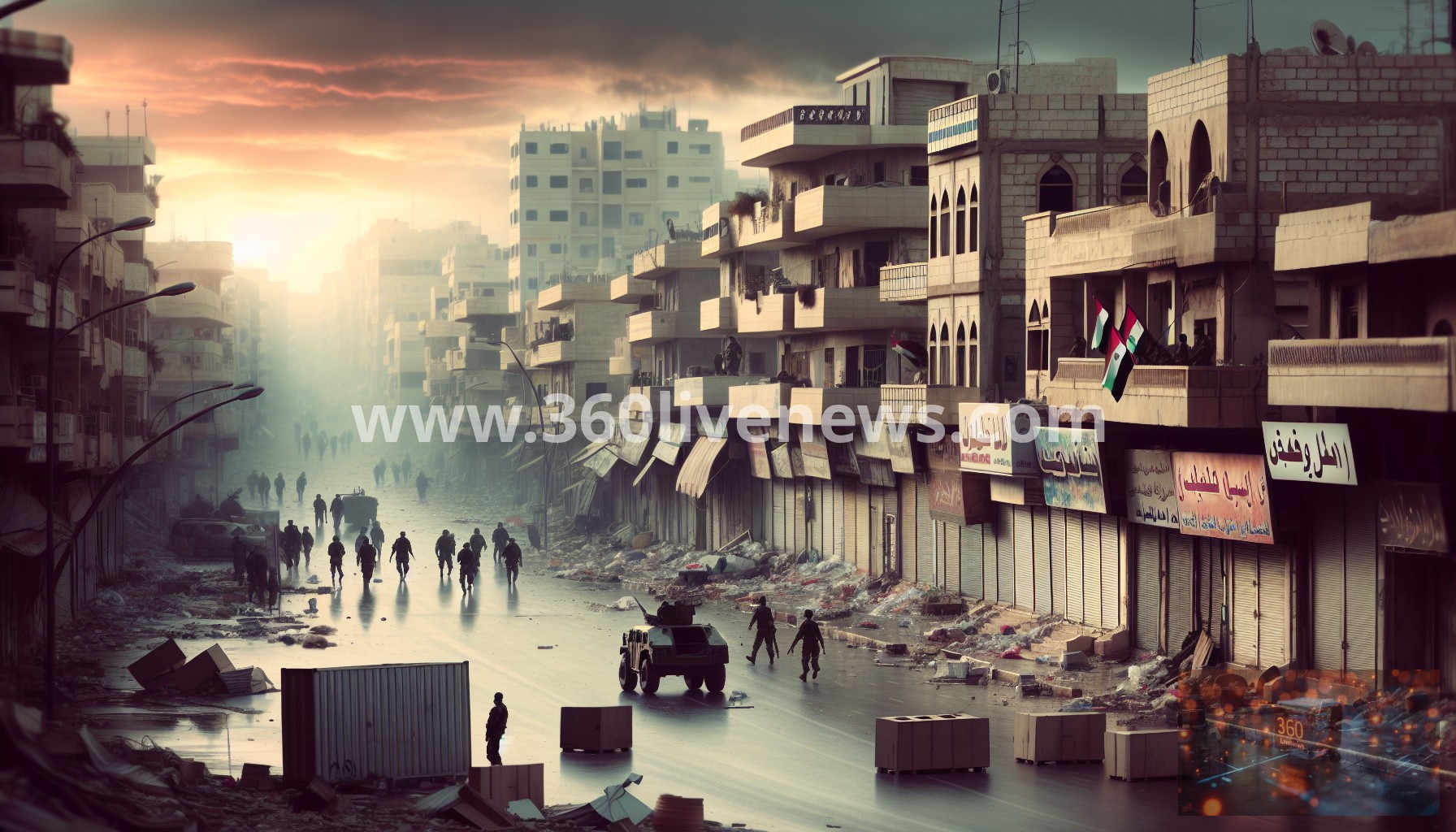
The situation in the Middle East remains tense as violence escalates following claims that the United States is engaged in “very good” talks with Iran regarding an end to the ongoing war in the region. This statement from former President Donald Trump has heightened tensions, with various attacks reported across multiple nations, including Israel and Gulf states, amidst airstrikes targeting Iranian facilities.
On the ground, Iranian forces have launched missile barrages targeting Israel, Gulf Arab states, and northern Iraq. Concurrently, Israeli and US military forces have carried out airstrikes on positions within Iran, further complicating the already volatile situation. The airstrikes represent a direct response to the Iranian actions and underline the ongoing hostilities in the region. Reports indicate a significant escalation, with both sides intensifying military operations.
Despite Trump's assertions of fruitful diplomacy, Iranian officials, including Parliament Speaker Mohammad Bagher Ghalibaf, have publicly denied the existence of any negotiations with the United States. Ghalibaf's stance, expressed through a social media post, categorically refutes Trump's claims, stating, “No negotiations have been held with the US.” This denial is significant, considering the complexities and mistrust that currently characterize US-Iran relations, especially following prior conflicts.
The backdrop to these developments lies in the fraught history between the US and Iran. The recent upheaval was ignited earlier when an unexpected attack killed Iran’s supreme leader, Ali Khamenei, alongside numerous high-ranking officials, leading to a multifaceted conflict. Iranian leadership has been distrustful of US intentions, particularly after facing military aggression while engaged in talks about nuclear capabilities. These longstanding issues complicate the prospect of genuine dialogue.
As the conflict continues, military action from both sides appears only to deepen existing divides. Reports from various news agencies confirm multiple airstrikes targeting critical infrastructure and military sites in Iran, which is seen as a retaliation for Iranian provocations. The unfolding events seem to point towards a militarized solution rather than diplomatic engagement, raising concerns about broader regional stability and potential involvement from other nations.
The implications of this renewed violence extend beyond immediate military concerns, impacting geopolitical dynamics in the Middle East. Countries such as Iraq find themselves in a precarious position, as any escalation can lead to spillover effects that further destabilize the region. The complex web of alliances, particularly among Gulf states, complicates the situation and poses significant security challenges for regional players and international observers alike.
Experts on Middle Eastern politics note that the historical context of US-Iran relations will be crucial in determining how the situation unfolds. The impact of Trump's claims, juxtaposed with the realities on the ground, indicates a potential rift in narrative and action, contributing to a crisis of credibility that both sides may face domestically and internationally. The use of 'fake news' claims in Iranian discourse suggests an atmosphere of propaganda, complicating the truth behind current developments.
Going forward, monitoring the delicate balance of military tactics and diplomatic rhetoric will be essential in anticipating the conflict's trajectory. The potential for further military escalations alongside the absence of credible negotiation channels raises the stakes for all countries involved, leaving open the question of how diplomacy, if it could be reengaged, would reshape the contours of Middle Eastern geopolitics.
The unfolding crisis demands careful scrutiny from both policymakers and analysts as the implications of increased violence could resonate deeply within international relations frameworks and humanitarian contexts. The need for dialogue remains evident, yet the path towards such engagement seems uncertain amid the heavy currents of mistrust and military action.
#MiddleEast #Iran #USIranRelations Diplomacy">#Diplomacy #Violence #Trump #MilitaryAction #Geopolitics
