Gaza Faces Severe Fuel and Gas Crisis Amid Escalating Conflict and Rising Electricity Costs
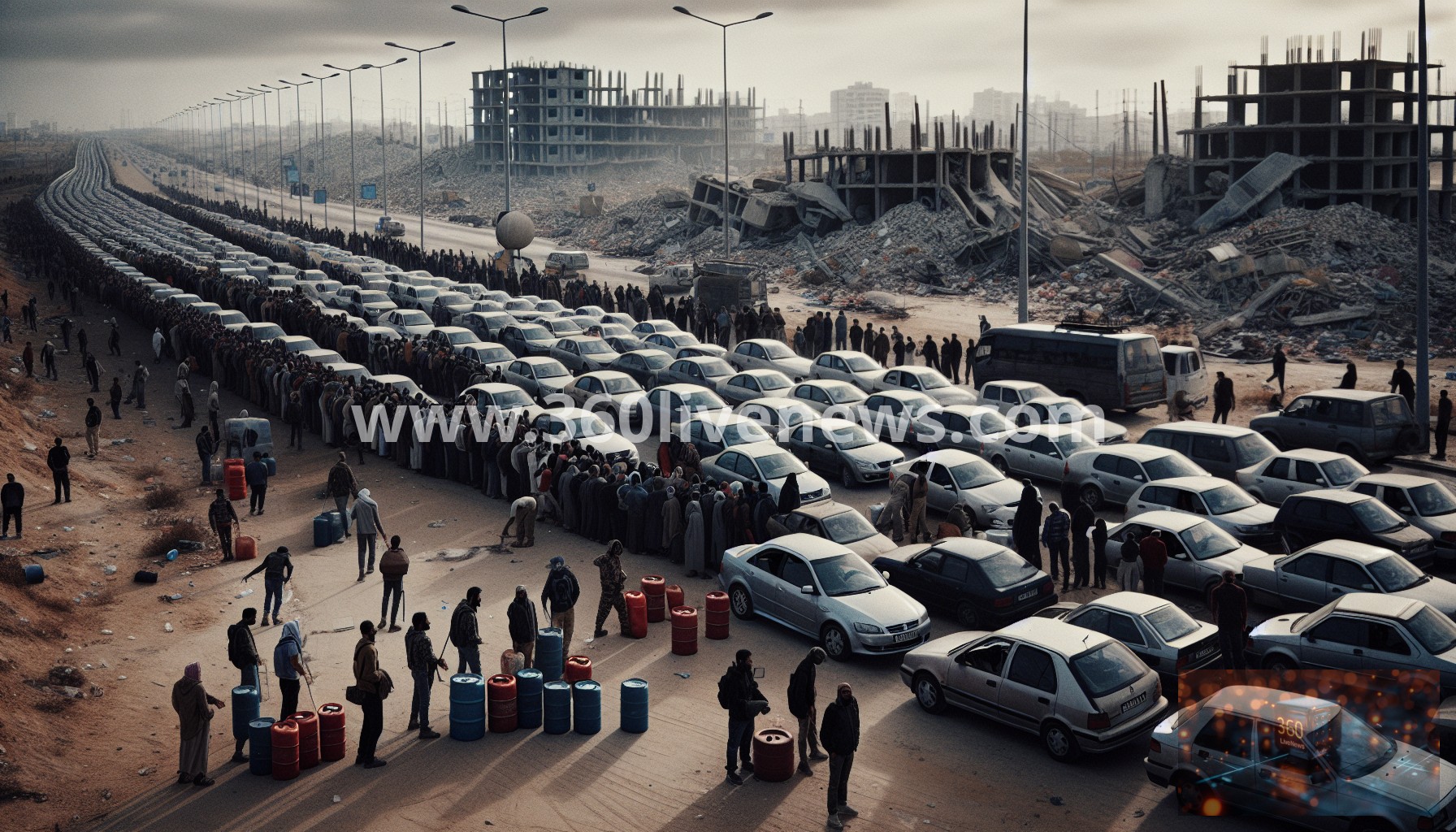
As the conflict continues to escalate, Gaza is facing a severe fuel and gas crisis, with dire consequences for its civilian population. Reports indicate that residents are enduring prolonged waits for fuel supplies, which are critically low due to what is described as "Israeli-induced shortages." The situation has deteriorated to the point where electricity provided by private generators has become unaffordable for many, leading to a dramatic increase in costs. According to local sources, the price per kilowatt-hour has surged from approximately 2.5 shekels ($0.80) to between 20 and 30 shekels ($7-$10), marking a nearly tenfold increase.
This economic strain is compounded by the devastation of Gaza's public power network, which has severely limited households' access to electricity following recent military actions. Families that once relied on the public grid are increasingly turning to private generators. However, the soaring costs have forced many to reconsider their options, as they struggle to meet the basic needs for power and heating. Local baker Abdullah Jamal has adopted a workaround, using wood to fuel his oven while providing bread to displaced families in his community.
In light of the dire energy situation in Gaza, the social fabric is fraying. With many households unable to afford electricity, they find themselves at the mercy of oversaturated fuel markets that are both economically and physically strained. The lack of gas has resulted in long queues outside fuel stations, where many wait months for minimal quantities, as intermittent bombing campaigns have damaged critical infrastructure.
Meanwhile, on the Israeli side, residents of Nesher experienced panic following an Iran" target="_blank" rel="nofollow noopener">Iranian missile attack that struck their town overnight. Witnesses reported explosions that sent shockwaves through the community, igniting fears and chaos. Videos emerging from the aftermath capture the dramatic scene as emergency services rushed to respond to the situation. This incident underscores the increasing tensions and threat levels to civilians on both sides.
The broader geopolitical context remains pivotal, with the recent Iranian missile attack adding another layer of complexity to the ongoing conflict. Iran’s involvement raises concerns among Israeli officials regarding the potential for a wider regional escalation. The missile strikes come at a time when Israel is grappling with its own security challenges and heightened alert levels due to the ongoing clashes in Gaza and surrounding areas.
The Israeli government has not publicly detailed their operational responses to the missile attack, but military experts anticipate a strategic recalibration could follow to address the threats posed by Iran's growing military capability in the region. Israeli Prime Minister Naftali Bennett's administration faces the dual challenge of responding to direct assaults while managing the humanitarian crisis unfolding in Gaza.
International reactions have also emerged, calling for immediate resolutions to alleviate the humanitarian crisis in Gaza. Humanitarian organizations have voiced concerns about the severe conditions experienced by the population, emphasizing the lack of access to basic necessities such as fuel and electricity, which are exacerbating the already precarious living conditions following the ongoing hostilities.
As the conflict continues and outside observers call for renewed diplomatic efforts, the challenges faced by both Gazan civilians and Israeli residents shed light on the human cost of ongoing military actions. Fuel shortages in Gaza have led to a humanitarian disaster in the making, while fear and uncertainty loom large in Israeli border towns following missile strikes that perpetuate the cycle of retaliation.
In summary, both Gaza and Israel remain embroiled in escalating tensions, with catastrophic implications for everyday people. The rising costs of energy, the dire humanitarian situation, and the threat of missile attacks compound the precariousness of the immediate environment. The international community will need to engage swiftly to address these intertwined crises, demanding attention to both humanitarian assistance for Gazan civilians and security reassurances for Israeli residents.
#Gaza #Israel #Iran Electricity">#Electricity #FuelCrisis #HumanRights #MissileAttack #ConflictResolution
