Iran's parliamentary speaker Mohammad Bagher Ghalibaf considered as potential interlocutor for US amid ongoing conflict
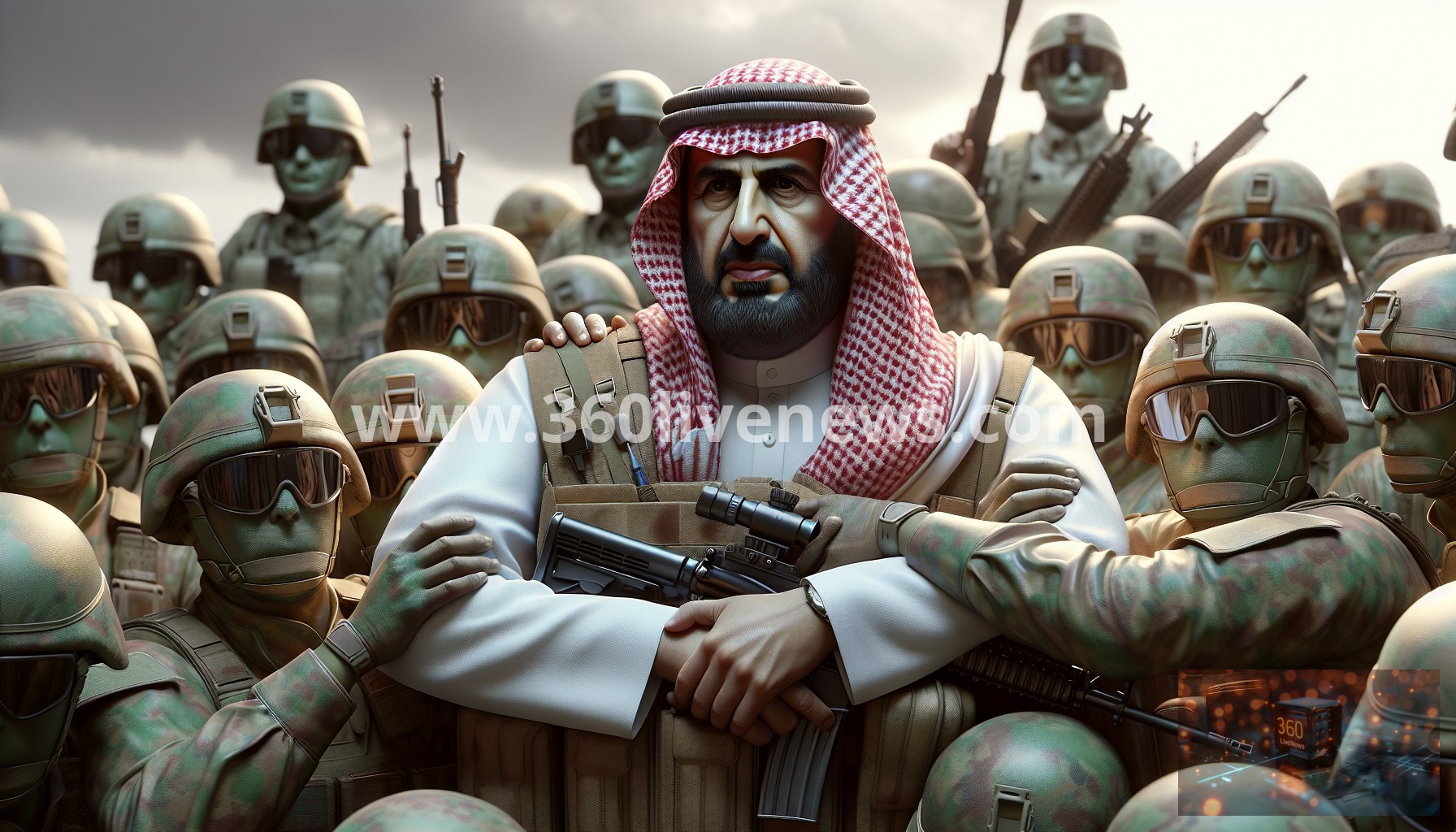
In a significant development amidst the ongoing conflict involving Iran, reports have surfaced regarding Mohammad Bagher Ghalibaf, Iran's parliamentary speaker, being considered as a possible interlocutor for the United States. This speculation follows statements made by former President Donald Trump, who suggested that the US has been in communication with a "very reasonable" Iranian leader. Media outlets are now linking Ghalibaf to these discussions, raising the stakes in the already tense geopolitical landscape.
Ghalibaf, a 64-year-old former commander of the Revolutionary Guard and a seasoned political figure, has cultivated an image of a hard-liner who is open to negotiating with Western powers. His political career, marked by a focus on diplomacy, saw him previously urging Western nations to reassess their stance towards Iran, as highlighted in a 2008 interview with The Times. However, amid reports of his potential role in US-Iran dialogues, Ghalibaf has publicly denied any discussions with the United States regarding negotiations, adding a layer of complexity to the situation.
The backdrop for these developments is the current conflict in Iran, which has entered its fourth week, following the commencement of joint US-Israeli airstrikes. These actions have escalated tensions in the region and put diplomatic channels under greater scrutiny. The ongoing military engagement has resulted in significant geopolitical shifts, prompting international observers to analyze the implications of any potential talks between the US and Iran.
In parallel to the diplomatic developments, the economic fallout from the conflict continues to ripple throughout Europe. Recent assessments by the French national statistics office (INSEE) indicate that France's economic growth has been adversely affected, projecting only a 0.2% growth for the first half of the year, down from earlier forecasts. This economic adjustment highlights the interconnectedness of global markets and the influence of geopolitical events on national economies. Inflation is also expected to exceed 2% as price pressures mount, reflecting the broader implications of the conflict.
The ramifications of the war in Iran extend beyond immediate military actions, affecting economic stability across Europe. With inflation rising sharply, the purchasing power of households is at risk, creating potential challenges for the French government as it seeks to navigate these turbulent economic waters. The internal dynamics within France further complicate the situation, as political leaders are faced with addressing the dual challenges of rising prices and public disquiet over the ongoing conflict.
In addition to economic implications, the unfolding situation is indicative of the complex layers of diplomacy that characterize US-Iran relations. The implications of Ghalibaf's potential role as a negotiating partner extend beyond bilateral discussions; they touch upon broader security concerns in the Middle East, regional power dynamics, and the influence of external actors, including Israel and European nations.
Experts and analysts remain divided on the viability of any negotiations stemming from Ghalibaf's potential involvement. Some suggest that dialogues grounded in mutual recognition could pave the way for de-escalation, while others caution that entrenched political positions in both Washington and Tehran may present significant obstacles. As tensions remain high, the focus on the diplomatic path underscores the importance of sustained engagement, even amidst ongoing hostilities.
The mention of Ghalibaf as a potential intermediary also reflects the evolving nature of Iranian politics, where figures traditionally viewed as hardliners may be positioned to engage in dialogue, suggesting a possible shift in Iran's diplomatic strategy. Such developments warrant close attention, as they could redefine the contours of international engagement with Iran and influence future interactions between the US and other nations in the region.
As the situation surrounding Ghalibaf and US-Iran discussions develops, it highlights the intricate interplay of military action, economic impact, and diplomatic efforts. The challenge ahead will require nuanced strategies from all involved parties to navigate the complexities of the current landscape and to foster conditions conducive to dialogue and peace.
#Iran #Ghalibaf #US #Trump #diplomacy #economy #inflation #France #military #Israel Geopolitics">#Geopolitics #foreign_policy #energy_markets
