Philippine President declares year-long national emergency due to dwindling fuel supplies amid US-Israeli conflict
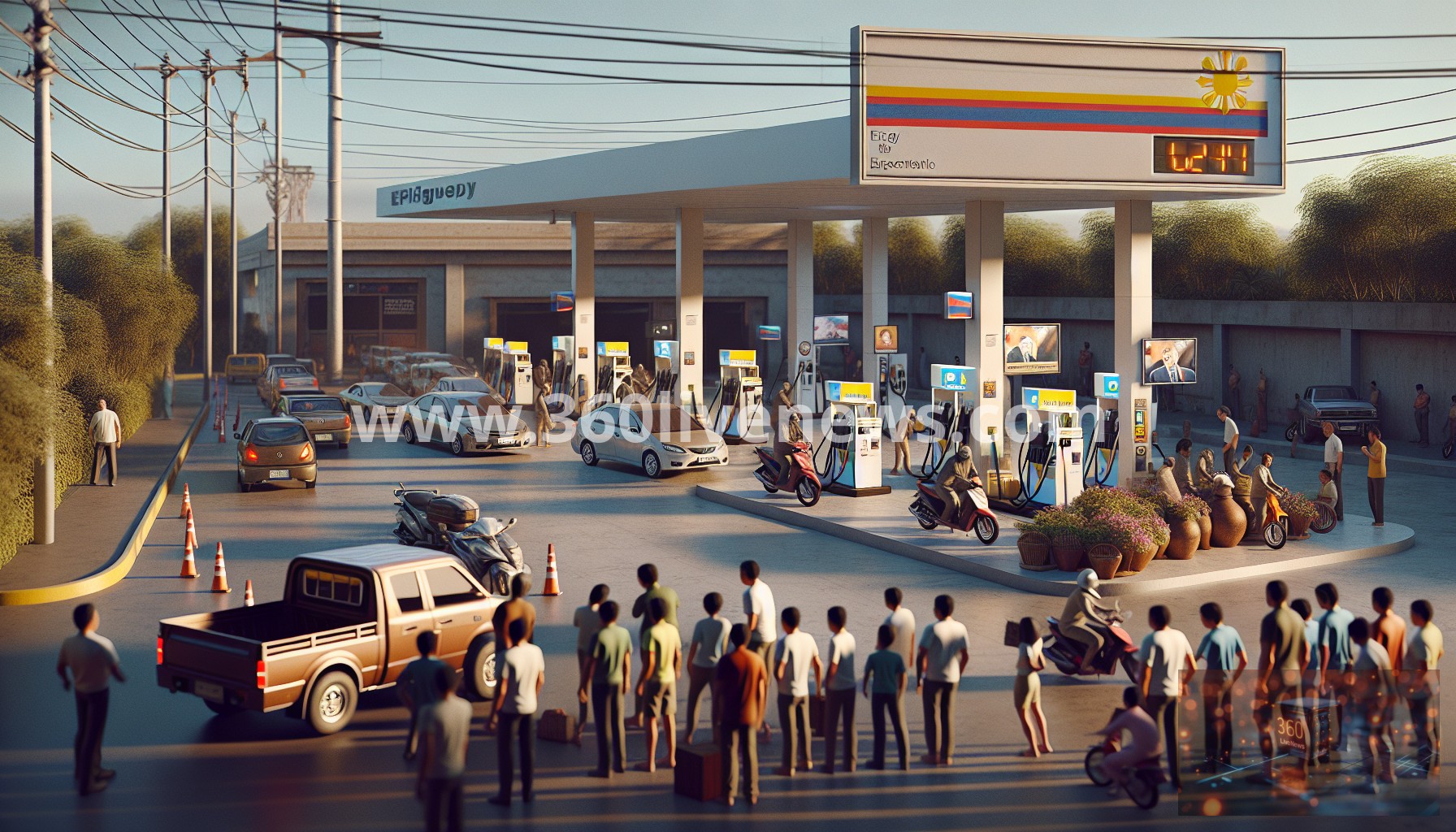
Philippine President Ferdinand Marcos Jr. has officially declared a year-long national emergency in response to dwindling fuel supplies, a situation exacerbated by the ongoing US-Israeli conflict involving Iran. This emergency declaration is aimed at ensuring the fair distribution of critical resources across the archipelago, as the country faces potential shortages that could disrupt various sectors, including transportation and energy. The declaration was made as the government strategizes on how to manage this pressing issue effectively.
The domestic implications of the emergency declaration have sparked concerned discussions in the Philippines. Citizens could face increased prices and potential shortages of essential goods, which have been linked to the tightening supplies of fuel. The Philippine government has yet to provide specifics on the mechanisms it will employ to mitigate the potential impact on the citizens and to maintain stability in the energy sector.
This situation has erupted as the backdrop of a larger geopolitical conflict, with tensions escalating due to missile exchanges between Israel and Iran. The Israeli military reported an uptick in missile threats from Iran, prompting the activation of their anti-missile defenses. Recent alerts in Jerusalem and the West Bank indicate a heightened state of alarm as regional military dynamics shift, which some analysts believe could have knock-on effects reaching as far as the Philippines, particularly concerning geopolitical alliances and energy supply chains.
In the most recent developments from the region, significant casualties have been reported in Tehran amidst continued US-Israeli strikes on Iran. At least 12 fatalities and 28 injuries were confirmed in a recent attack, indicating the increasing toll of ongoing military operations. These incidents mark an escalation in hostilities that have drawn international attention, particularly regarding the implications for global fuel markets and regional security.
Fuel supply disruptions can have extensive ramifications for the Philippines, where the economy heavily relies on imported oil. The Department of Energy in the Philippines has acknowledged that a significant portion of the country's fuel comes from international markets, making it vulnerable to global conflicts that affect oil supply routes. The declaration of a state of emergency highlights the urgency of addressing energy security as political tensions rise.
To address potential fuel shortages, Philippine officials have indicated their intention to implement measures aimed at conservation and prioritization of essential services. The government may also explore alternative energy sources to reduce dependency on traditional fuel supplies further, enhancing long-term energy resilience. These strategies will likely involve collaboration with international partners to navigate the complex backdrop of geopolitical tensions.
This emergency declaration also poses critical questions about the Philippines' diplomatic posture in relation to its allies. While the Philippines has maintained a balanced diplomatic stance towards the US and regional powers, behaviors might need recalibration in light of the unfolding conflict between US allies and Iran. Analysts emphasize the necessity for the Philippines to reaffirm its commitments to energy security while navigating its relationships with key partners in the region.
The situation remains fluid, with both international and domestic observers monitoring how military escalations might affect fuel availability not just in the Philippines but throughout the Southeast Asian region. As the nation braces itself for impacts stemming from geopolitical conflicts, there’s a shared understanding that proactive measures are essential in securing a stable fuel supply amidst heightened instability in relevant territories.
#Philippines #NationalEmergency #FuelSupply #Marcos #Iran #Israel #Geopolitics #OilPrices
