Myanmar's civil war enters sixth year as military regime intensifies operations against pro-democracy factions and ethnic groups
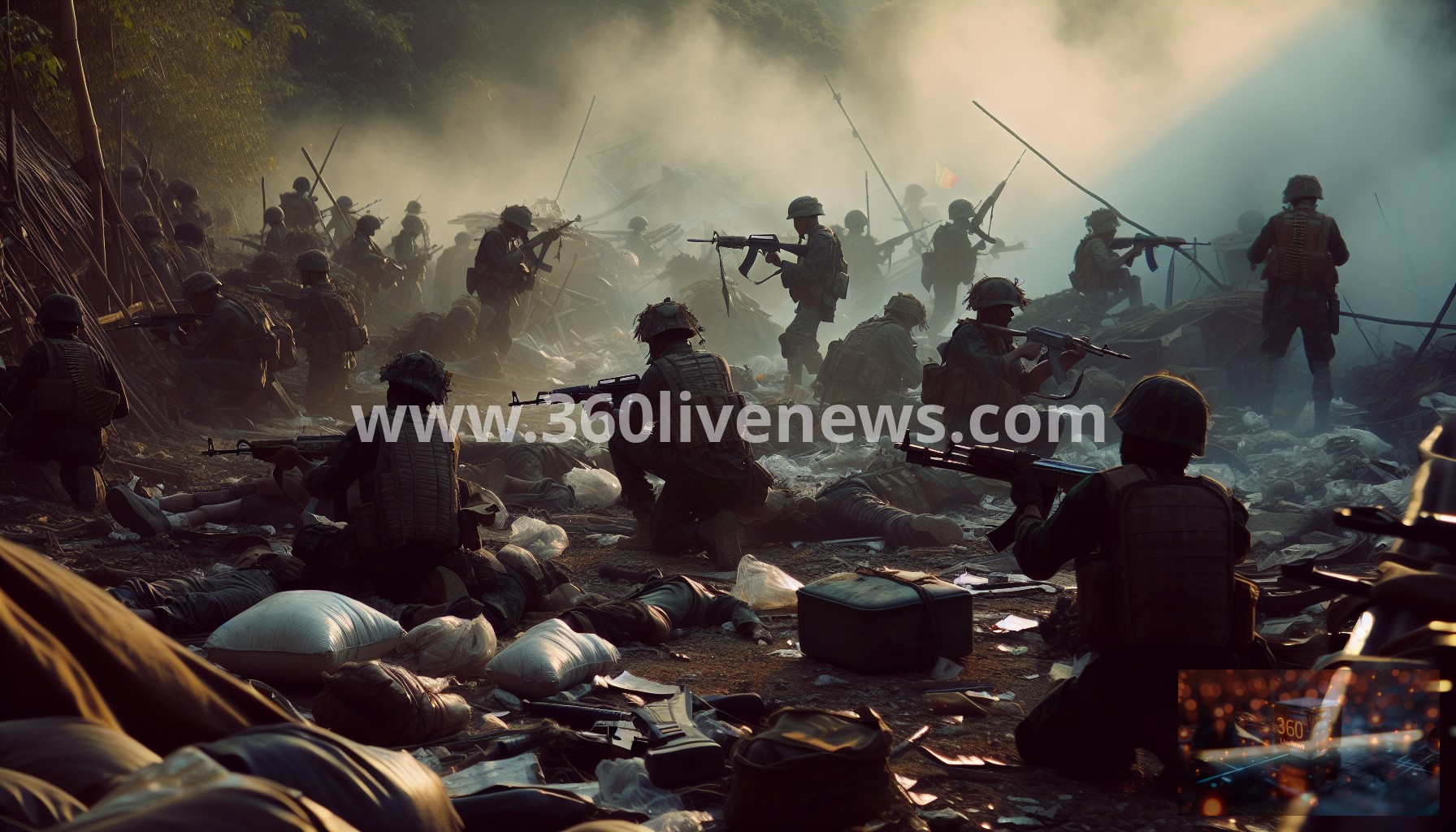
Myanmar's ongoing civil war, which has intensified over the past few years, continues to evolve as the military regime expresses increased confidence in its operations. The conflict, marked by the complexities of fluid alliances among military forces, ethnic armed groups, and pro-democracy factions, is now entering its sixth year since the military coup that ousted the elected government in 2021. Senior General Min Aung Hlaing's regime has established a brutal military dictatorship, confirming its commitment to suppressing the nation’s continued uprisings.
The civil strife erupted when Min Aung Hlaing led a coup d'état, detaining key figures, including Aung San Suu Kyi, a Nobel Peace Prize laureate. This sudden change overturned a decade-long, albeit fragile, democratic transition that had followed decades of military rule. The coup has not only led to widespread conflict but has also awoken ethnic minority movements that have historically contested the central state's authority. With a population of approximately 55 million, Myanmar’s demographics have played a significant role in shaping the conflict’s landscape, particularly regarding ethnic groups.
In earlier phases of this conflict, the Myanmar military (Tatmadaw) has engaged various ethnic armed organizations, reflecting a long history of ethnic tensions rooted in colonial-era governance. Much of the resistance against the regime has drawn support from pro-democracy forces, leading to a fragmented yet resilient opposition ecosystem. Although the regime has attempted to solidify control, various ethnic armed groups are refusing to recognize the military government, resulting in confrontations across several regions, particularly in border areas known for their rich ethnic diversity, such as Kachin State.
The conflict is not merely a battle for government control but has deeper implications for regional stability and international diplomacy. Observers, including analysts affiliated with The Institute for the Study of War, argue that Myanmar’s situation could become a flashpoint for broader regional conflicts, especially as neighboring countries grapple with their ethnic minority issues. For instance, increasing cross-border movements of conflict-affected populations could impact neighboring states like Thailand, which has historically hosted many refugees from Myanmar, and India, which shares a border with Myanmar.
Strategically, the military junta has been leveraging state propaganda to bolster its image and garner domestic support. By showcasing military successes and the purported victory over insurgent forces, the regime aims to present itself as the stabilizing force needed for national unity. However, such claims are often met with skepticism by the international community, especially considering reports of widespread human rights abuses by military forces. Critical international organizations, including Amnesty International and Human Rights Watch, continue to highlight concerning human rights violations resulting from military operations.
Furthermore, the international response remains fragmented. Despite multiple calls from the United Nations for a comprehensive ceasefire and negotiations for peace, the military regime's reluctance to engage with opposition forces complicates these efforts. Countries like China and India maintain strategic interests in Myanmar, often leading to a complex diplomatic environment where regional powers grapple with supporting stability while upholding human rights principles, particularly in light of the Responsibility to Protect doctrine.
The ongoing civil war in Myanmar is also a reminder of the broader geopolitical implications of conflict, where the balance of power may shift due to domestic upheaval. According to insights from the International Crisis Group, the persistence of military aggression could motivate a rethink of international alliances and aid distribution aimed at fostering stability in the region. As the international community watches closely, the stakes remain high for both the military and pro-democracy forces, particularly regarding foreign aid.
As resolve deepens among the various factions and the military appears entrenched in its vision for Myanmar’s future, the outlook remains grim. With each passing day, the conflict intensifies, drawing in local populations and international spectators, igniting fears of an enduring cycle of violence. Observers and analysts alike emphasize the need for innovative diplomatic approaches, as conventional responses have proven insufficient to turn the tide in a situation that has deep roots in Myanmar's fraught history, including its colonial past and subsequent independence.
In conclusion, Myanmar's civil war continues to unfold, characterized by escalating military activities, significant social unrest, and complex international dynamics. As this humanitarian crisis deepens, the interplay of national interests, ethnic identities, and global diplomacy will be crucial in shaping the conflict's future.
#Myanmar #CivilWar #EthnicConflict #MilitaryCoup #InternationalRelations #HumanRights #ProDemocracy #UN
