Pakistan Offers to Mediate Dialogue Between the United States and Iran Amid Rising Middle East Tensions
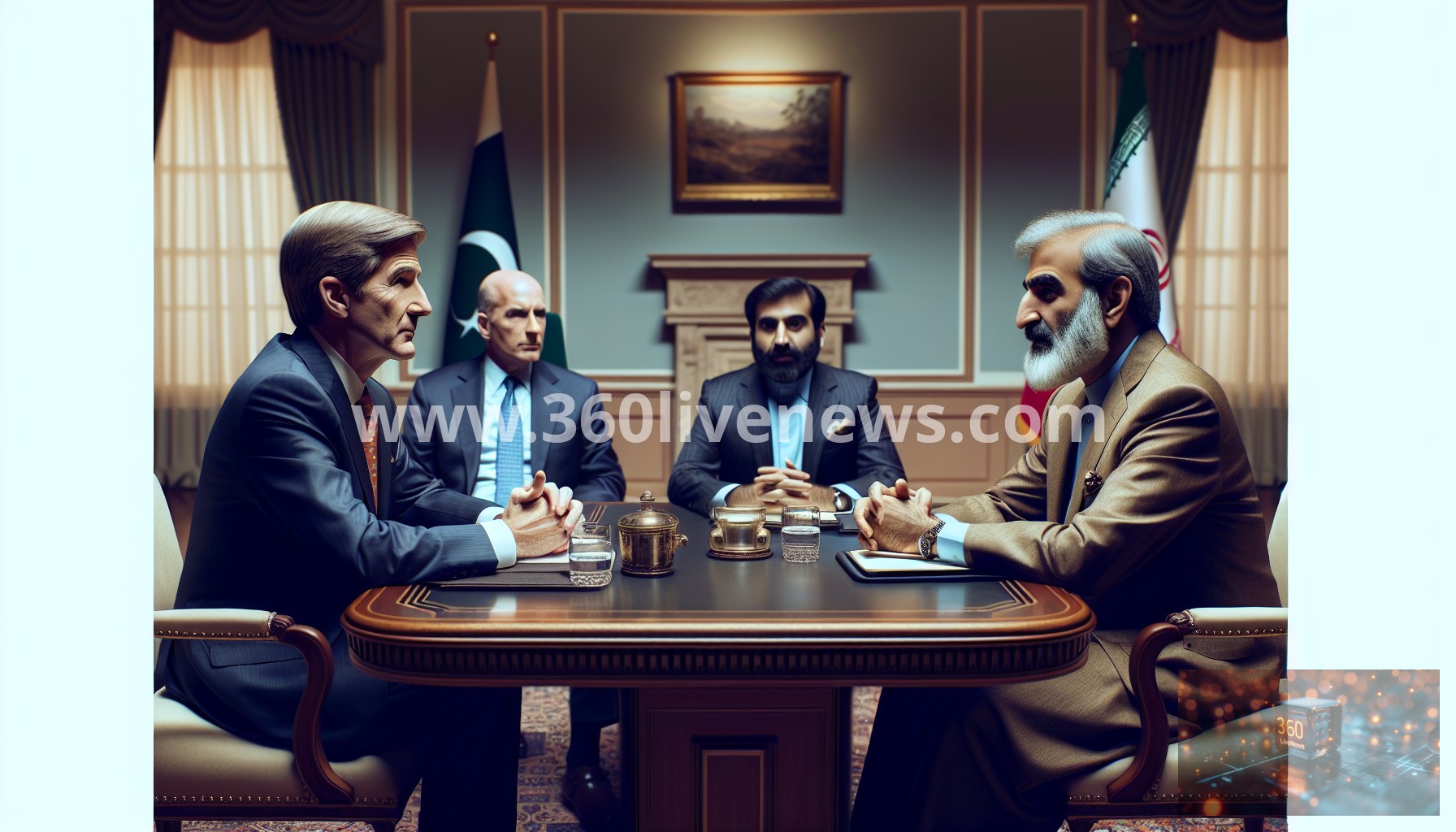
Pakistan is stepping into the geopolitical spotlight as it signals a readiness to mediate dialogue between the United States and Iran. Prime Minister Shehbaz Sharif recently indicated Pakistan's willingness to host discussions aimed at mitigating the ongoing conflict in the Middle East. This move comes amid rising tensions following a series of alarming military actions by Iran, including missile and drone strikes targeting various locations in Israel and US-linked facilities across the Gulf, affecting countries such as the United Arab Emirates (UAE), Qatar, Kuwait, and Bahrain.
The backdrop to this diplomatic maneuvering is a precarious situation in the Middle East, where hostilities have escalated significantly. On March 26, reports surfaced that Iran's Revolutionary Guards carried out strikes on multiple targets, marking a significant escalation in regional hostilities. Specific facilities targeted included those related to US military operations, highlighting the fraught dynamics at play. The military actions are a clear indication of Iran's willingness to assert its presence in the region, complicating the diplomatic landscape further.
In response to the turmoil emanating from the Middle East, President Ferdinand Marcos of the Philippines has declared a state of "national energy emergency" due to concerns over critical supplies, compounded by the war's impact on energy shipments. This declaration allows the Philippine government to take emergency measures to stabilize energy availability and prices as the conflict disrupts fuel supplies. The declaration specifically authorizes the Department of Energy to combat hoarding and profiteering during this critical period.
Pakistan's Prime Minister has taken a definitive stance, proclaiming on social media that "Pakistan welcomes and fully supports ongoing efforts to pursue dialogue to end the WAR in the Middle East." However, the public response from both Washington and Tehran remains somewhat contradictory, with both nations seemingly avoiding concrete commitments to engage in direct dialogue. This lack of clarity underscores the complex dynamics that Pakistan seeks to navigate as it positions itself as a potential intermediary.
The Iranian missile launches mark a critical point in the escalating conflict, indicating a willingness to engage militarily, which raises concerns about broader regional stability. Iranian state media reported that the strikes targeted what they termed "enemy" positions, reaffirming the dramatic shift towards military engagement in places previously seen as more diplomatically manageable.
Historically, Pakistan has maintained a delicate diplomatic balance, having ties with both the United States and Iran. The involvement of Pakistan as a broker can be seen as a strategic move to leverage these relationships, especially amid critiques that it must not ignore the implications of a destabilizing conflict that threatens regional security. The last significant engagement between these nations occurred during high-profile meetings involving US officials, including a recent audience with former President Donald Trump.
This transformation in Pakistan's diplomatic role reflects a broader pattern of countries seeking to assert their influence in the face of global geopolitical shifts. As nations grapple with the implications of fluctuating energy markets and security crises, Pakistan's unique positioning allows it to play a key role in negotiations that may alleviate some tensions. This comes at a moment when regional actors increasingly seek to solidify alliances and stances accumulated over decades of political maneuvering.
The decision of the Philippine government to declare a state of energy emergency underscores the far-reaching impacts of conflicts in the Middle East, where energy supply reliability is often tightly intertwined with geopolitical stability. With evident implications for the economy and political landscapes in Asia, the intersection of military actions in the Middle East and energy policies reverberates through the corridors of power in various countries.
This ongoing situation will undoubtedly continue to evolve as nations assess their positions and responses. The international community awaits further developments regarding Pakistan's mediating role and the potential willingness of the United States and Iran to engage in constructive dialogue. As tensions remain high, the geopolitical complexity of the Middle East will need careful navigation to prevent further escalations that could affect global peace and stability.
#MiddleEast #Pakistan #Iran #UnitedStates #EnergyEmergency #Marcos #MissileStrikes #USIranRelations
