Israeli forces conduct strikes on Iranian targets as Middle East conflict enters fourth week and tensions rise
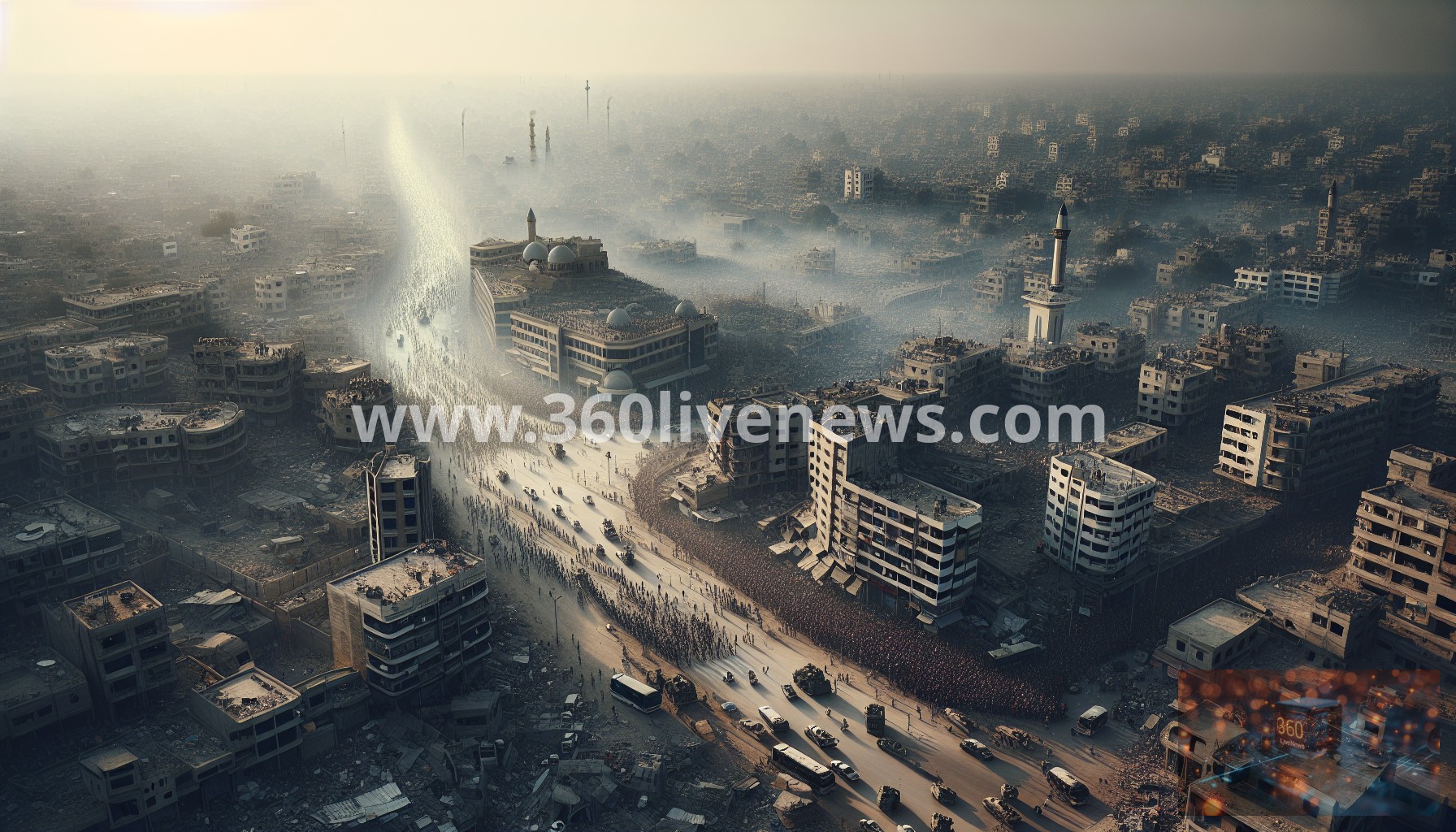
As the conflict in the Middle East enters its fourth week, tensions between Iran and Israel have intensified dramatically. Reports indicate that Israeli forces have conducted additional strikes on Iranian targets within Tehran, further escalating the already fraught situation. This has coincided with a series of evolving political dynamics, including US diplomatic efforts to negotiate an end to hostilities and increasing concerns over fuel shortages affecting many nations reliant on oil from the Persian Gulf.
On Friday, officials from various European nations met with US Secretary of State Marco Rubio during a G7 conference in France. The discussions centered on the ongoing Middle East conflict and specifically addressed the role of Russia. European foreign ministers expressed apprehension regarding reports suggesting that Russia is providing support to Iranian operations against US forces stationed in the region. This has emerged against a backdrop of persistent instability, particularly as the Biden administration grapples with its foreign policy strategy regarding both Iran and Ukraine.
In Tehran, Iranian President Ebrahim Raisi’s administration has publicly rallied support, encouraging citizens to participate in nighttime demonstrations affirming their loyalty to the government. These displays of allegiance have been notable in major cities, where citizens gather in the thousands. These gatherings highlight not only domestic support but also serve as a warning signal to external adversaries, particularly Israel and the United States.
Compounding the situation is a recent statement from President Donald Trump, who has indicated a delay in military actions against Iran's energy sectors. Trump asserted that discussions aimed at a potential resolution to the conflict were "going very well," even amid skepticism from global analysts about the viability of these negotiations. The president's shifting rhetoric arrives at a critical juncture, with many observers questioning the clarity and effectiveness of US foreign policy under his administration.
Meanwhile, the energy market remains in turmoil due to the ongoing conflict. Countries throughout Asia, heavily reliant on energy imports from the Persian Gulf, are facing significant fuel shortages. This situation has prompted various governments to adapt their energy policies to mitigate the impacts of decreased supply, a pressing issue exacerbated by regional instability and the war's ongoing ramifications.
Economic forecasts show that continued conflict could further strain global oil markets, with entities like the International Energy Agency projecting that prices could spike if disruptions continue. In this context, discussions among world leaders at the G7 have taken on renewed urgency, as they consider the implications of fluctuating energy supplies on both regional stability and the global economy.
The potential for a diplomatic resolution seems mired in complexities, especially given Iran's reported non-responsiveness to US peace initiatives thus far. Relations between Washington and Tehran have grown particularly hostile within the context of ongoing military actions, leading to an increased likelihood of military engagement rather than peaceful resolution. This precarious scenario underscores the need for continued dialogue among international stakeholders, as the specter of war looms heavily over the region.
Furthermore, the diplomatic landscape is being influenced by a series of multifaceted geopolitical relationships, notably the intertwined conflicts in Ukraine and the Middle East. As the G7 leaders hold discussions, concerns about Russian involvement raise profound questions about the broader stability of Western alliances and the potential fallout from direct military actions in volatile regions.
In response to these developments, both Israel and Iran have remained firm in their positions. Israel’s military operations appear aimed at curtailing Iranian influence in the region while simultaneously responding to perceived existential threats. Iran, emboldened by popular support and its strategic alliances, has continued to assert its presence, positioning military assets and rhetoric that signal its determination against perceived adversaries.
As the regional climate becomes increasingly fraught, experts note that the implications of the current conflict extend beyond immediate military encounters. Access to energy resources, global economic pressures, and shifting political alliances could yield far-reaching consequences for nations involved, as well as those far removed from the immediate conflict. The forthcoming days are critical, with internal pressures mounting within affected countries while global leaders seek viable paths forward.
#Iran #Israel #MiddleEastConflict #G7 #GlobalEconomy #OilMarket #Diplomacy #Russia
