Israeli military operations escalate in Lebanon, causing widespread disruption and displacement in Beirut
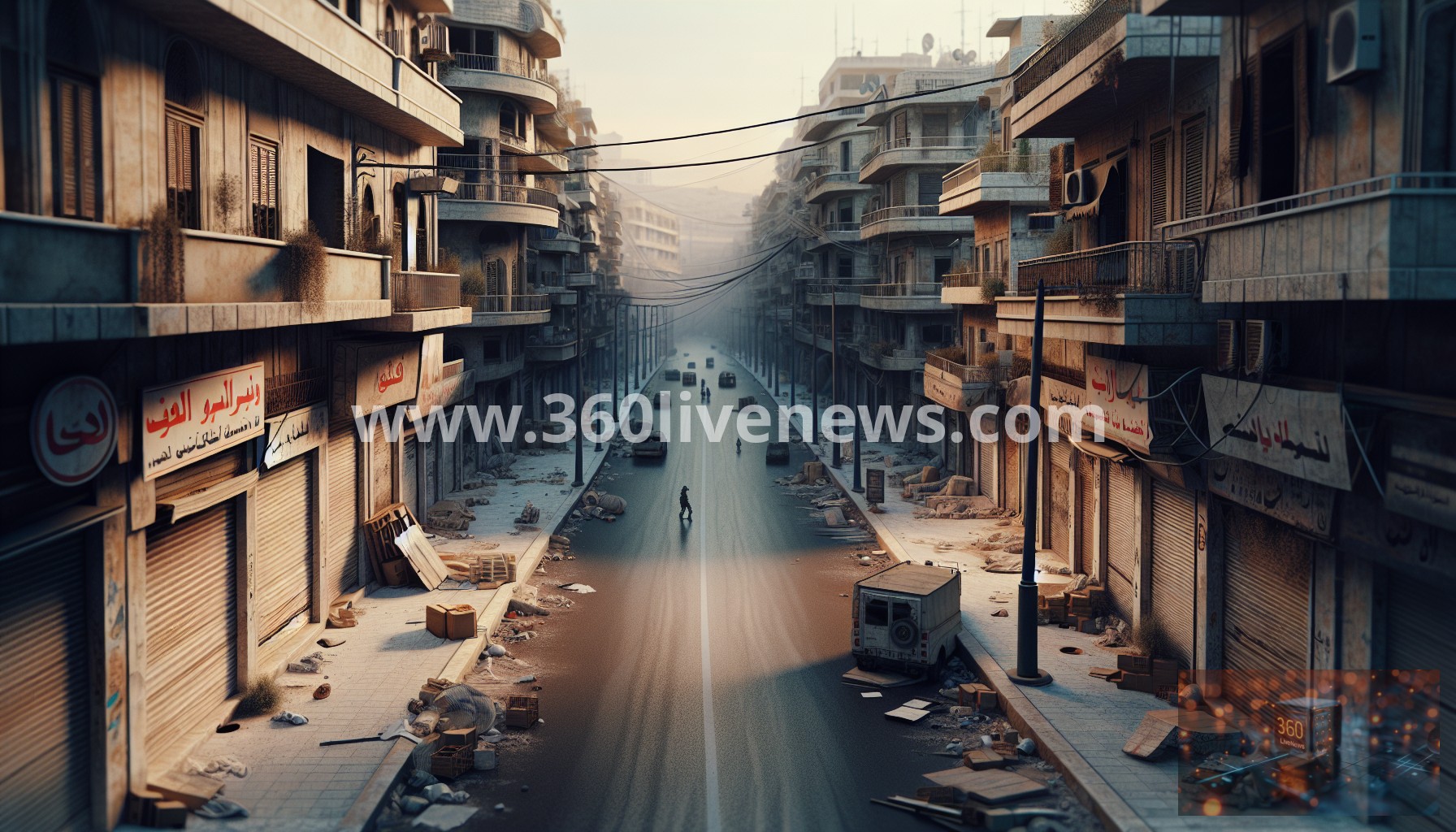
The situation in Lebanon remains dire as Israeli forces continue their military operations against targets throughout the country. Observers report that the city of Beirut is currently "holding its breath," as residents face escalating conflict and disruption. The capital has been described as resembling a "giant car park," with many displaced individuals forced to sleep in their vehicles, desperately seeking refuge amid the chaos. This unsettling imagery underscores a growing humanitarian crisis as the conflict unfolds.
In the past few days, Israeli airstrikes have targeted various locations in Lebanon, heightening fears of an expansion of hostilities in the region. Witnesses describe a chilling atmosphere as sirens wail and explosions resonate across neighborhoods. Meanwhile, the Lebanese government struggles to respond to the mounting crisis, with reports indicating a surge in casualties and displaced persons as people flee affected areas.
Recently, the conflict has extended beyond Lebanon. Israeli airstrikes also hit a residential area in southern Tehran, which led to tragically high civilian casualties, including the deaths of five children in the early hours of the morning. This strike came after an Iran" target="_blank" rel="nofollow noopener">Iranian missile attack reportedly killed a man in Tel Aviv, illustrating the cross-border nature of the ongoing hostilities.
Israel" target="_blank" rel="nofollow noopener">Israel's military actions are part of a broader campaign against perceived threats from Iranian-backed groups within Lebanon and the surrounding region. The Israeli government maintains that its operations are necessary to safeguard national security and combat terrorism. However, the consequences of these decisions have sparked international concern regarding civilian safety and the potential for a deeper regional conflict.
Meanwhile, diplomatic channels appear strained. Israel's continued military engagement follows a pattern of longstanding tensions with Iran and its allies. The current escalation raises concerns about regional stability and the potential for retaliatory actions from Iranian forces, further complicating an already volatile geopolitical landscape.
As the conflict advances, it is essential to understand the historical context that has led to this situation. Relations between Israel and Lebanon have been fraught with conflict for decades, with periodic flare-ups often igniting into broader military actions. The involvement of Iranian forces in Lebanon, particularly through groups like Hezbollah, has further complicated the security dynamics, making any resolution seem challenging.
The international community remains on edge as events unfold. Nations have called for restraint, urging all parties to engage in dialogue to de-escalate tensions. The possibility of a humanitarian crisis looms large if hostilities continue unchecked, underscoring the importance of urgent diplomatic efforts to address the underlying issues fueling this conflict.
The current situation in Lebanon exemplifies the intricate interplay of regional and global politics, with far-reaching implications for security and humanitarian norms. As communities brace for further violence, there is an urgent need for comprehensive strategies aimed at fostering peace and stability in both Lebanon and the broader Middle East.
In conclusion, as the strikes continue and the humanitarian crisis escalates, the international community watches closely, aware that the actions taken in the coming days will significantly impact the trajectory of peace, stability, and human rights in the region.
#Israel #Lebanon #Iran #Beirut #Hezbollah #HumanitarianCrisis #MilitaryActions #Diplomacy
