Violence in Iran escalates with family deaths and facility damage, prompting anti-war protests in Tel Aviv and US cities
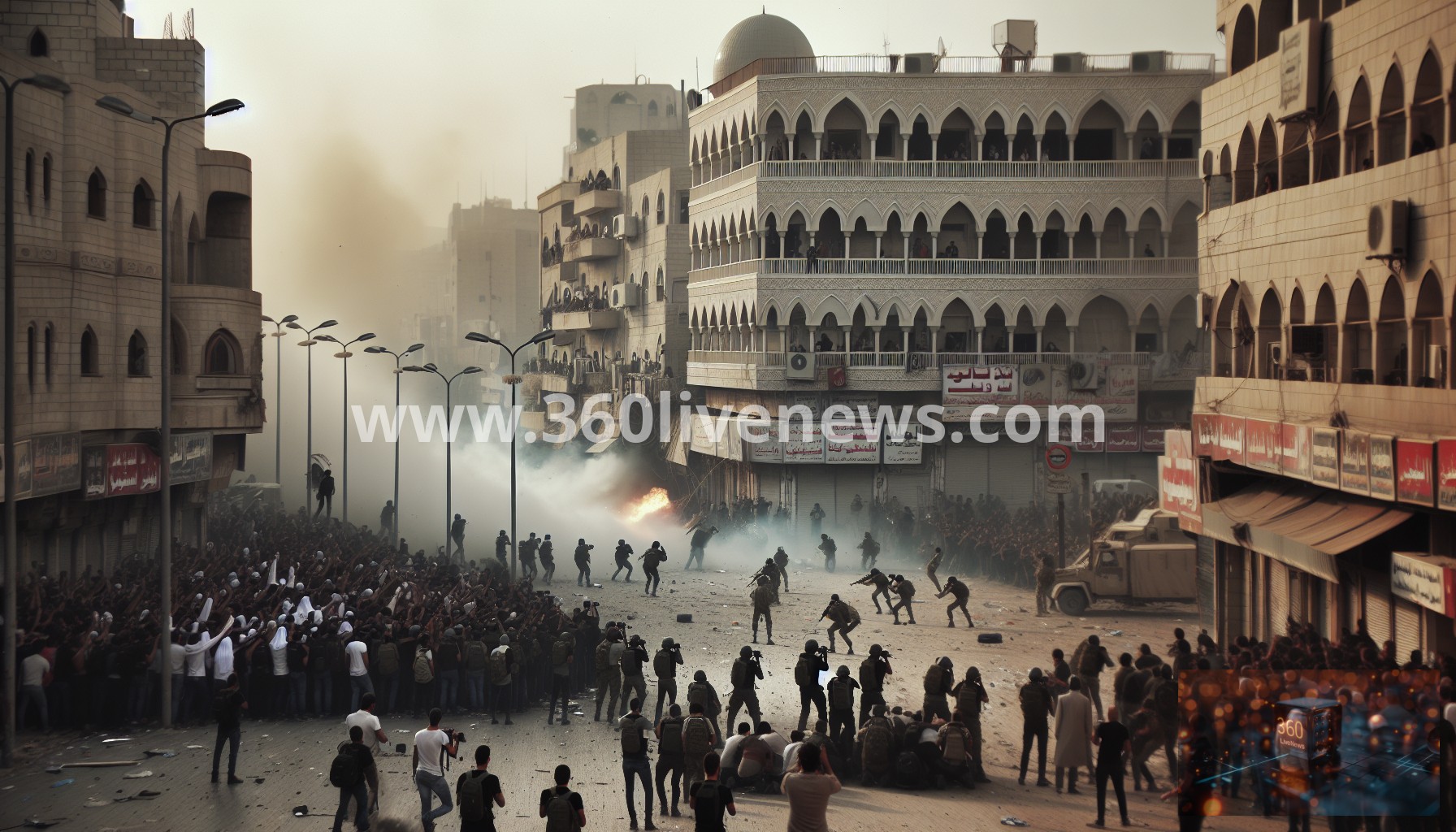
Recent developments in Iran have heightened tensions amid ongoing violence and public unrest. Reports confirm that a family of four was killed in Iranian attacks in Bushehr province, while significant damage was reported to a water facility in Khuzestan. These events have sparked anti-war protests in Tel Aviv and various US cities, as demonstrators respond to both domestic and international pressures related to the escalating conflict.
The humanitarian crisis in the region continues to deepen, with the United Nations highlighting the severe economic consequences of the fighting, particularly the closure of the Strait of Hormuz. This vital maritime passage has seen a fall in tanker traffic by over 90%, posing significant threats to global oil supply and agricultural planting. The UN Secretary-General has underscored the urgency for mediation to stabilize this precarious situation, indicating that instability in the Middle East can quickly spiral into a broader crisis.
As the Pentagon prepares for a possible expansion of military operations, the implications of President Trump's potential approval of ground operations in Iran could mark a substantial escalation in U.S. involvement. Analysts suggest these operations could pose greater risks to American troops than previous engagements, indicative of a shift towards a more aggressive military posture.
This conflict is not isolated; it is entwined with wider geopolitical dynamics and historical tensions. Iran has a long-standing adversarial relationship with the United States and Israel, significantly fueled by past military interventions and economic sanctions. The Houthis' missile fire also complicates the situation, drawing regional actors into a multi-faceted conflict where alliances and enmities shape the battlefield continuously.
The protests, branded as "No Kings," have mobilized huge crowds across the United States, with over 3,200 events organized in response to what many perceive as authoritarian governance by Trump. Public outcry has focused not only on Trump's foreign policy but also on his domestic agenda, driving social movements that reflect the discontent felt by various communities. The protests signify an increasing polarization among the U.S. populace regarding foreign military engagements, particularly in the Middle East.
In a related context, the National Education Union recently highlighted significant barriers faced by teachers in England, revealing that 89% feel class sizes impede inclusivity. This reflects broader systemic issues affecting various sectors, including education, health, and social services, which are intertwined with political decisions and funding priorities determined by the government.
Internationally, the fallout from the ongoing violence extends beyond the immediate combat zones and into global markets, threatening food security and energy stability across nations. The United Nations has tied the ongoing humanitarian and economic crises in the Middle East directly to these military actions, calling for urgent action to avert a catastrophe that could impact millions globally.
As the conflict continues to unfold, the potential for further violence remains high. Institutional histories carry weight in these developments; Iran's Revolutionary Guard Corps and the United Nations continue to navigate a tricky diplomatic landscape. The call for dialogue appears critical, but as tactical military movements are prepared, the prospect of achieving peace remains bleak.
With the geopolitical landscape shifting rapidly amidst these tensions, analysts are closely monitoring how these factors will play out in the coming days. As military strategies are deliberated in Washington, and protests escalate in civilian spaces, the intersection of domestic dissatisfaction and international conflict creates a complex web of motivations and responses that could define the future of U.S.-Iran relations.
#Iran #USPolitics #MiddleEast #HumanitarianCrisis #GlobalEconomy Protests">#Protests #Pentagon #StraitOfHormuz #UN #USMilitary #EconomicConsequences Diplomacy">#Diplomacy
