Rescue teams save toddler from bombed building in Iran after US-Israeli airstrike kills over 230 children and injures 1,800
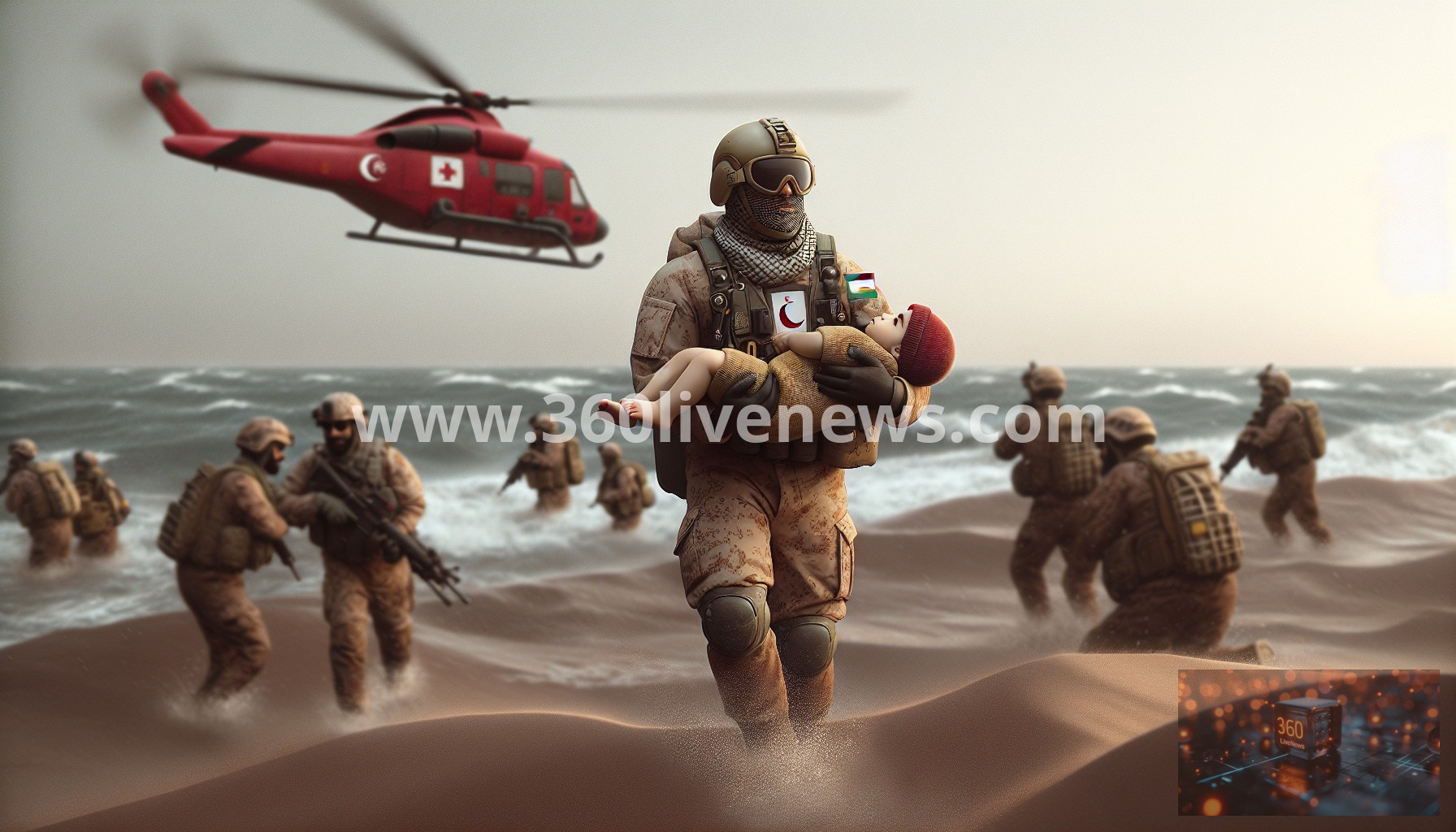
In a harrowing incident, rescue teams from the Iranian Red Crescent recently saved a toddler from the wreckage of a bombed building following a joint US-Israeli airstrike in Iran. The assault has tragically resulted in the deaths of over 230 children, with approximately 1,800 others reported injured, according to statements from Iran's Ministry of Health. This alarming escalation highlights the grave humanitarian impact of the ongoing conflict in the Middle East.
The airstrike, which occurred amid heightened tensions between the US, Israel, and Iran, marks a significant increase in military actions in the region. Eyewitness accounts indicate that residential areas were targeted, raising concerns about the protection of civilians during such operations. The Iranian government has condemned these airstrikes, holding both the US and Israel accountable for the extensive casualties and destruction inflicted upon its population.
In light of this escalation, humanitarian organizations are alarmed by the scale of the destruction. The Iranian Red Crescent has mobilized resources to assist affected families and provide medical care to the injured children. Meanwhile, the international community is calling for immediate ceasefire and intervention to prevent further loss of life, particularly among vulnerable populations such as children.
Historically, Iran and Israel have had a tumultuous relationship, exacerbated by the United States' support for Israel. The ongoing conflict can be traced back through decades of tension rooted in geopolitical rivalries, stemming from issues such as territorial disputes, nuclear ambitions, and differing ideological views. The latest airstrikes further complicate an already precarious situation in a region known for its volatility.
In prior incidents of conflict between Israel and Iran, both state and non-state actors have employed a range of military strategies, including airstrikes, cyber warfare, and regional proxy battles. Israel has consistently targeted what it deems as military threats emanating from Iran, while Iran has bolstered its military capabilities and allied with groups such as Hezbollah. These historical tensions are crucial for understanding the current dynamics at play and the potential for further escalation.
The recent airstrike underscores the broader implications for regional stability, with many experts warning of an impending escalation that could engulf neighboring nations in conflict. The US and Israel's actions may not only have direct ramifications for Iran but could also trigger heightened responses from other regional actors. Countries in the Middle East are closely monitoring the situation, given the delicate balance of power and longstanding grievances that underpin their relationships.
Furthermore, the situation has significant geopolitical ramifications beyond the immediate conflict. As nations grapple with energy security and fluctuating oil prices, rising tensions in the Middle East often lead to economic instability on a global scale. For instance, oil prices tend to spike during crises, impacting nations worldwide, especially those reliant on imported fuel.
In this context, nations like South Korea are already feeling the pressure. The South Korean government is preparing to tighten energy conservation measures in response to rising global oil prices, which have surged due to the instability in the Middle East. Finance Minister Koo Yun-cheol has indicated that measures, including the expansion of the current vehicle rotation system, may soon include the private sector to further curb fuel consumption.
This proactive stance illustrates the interconnectedness of geopolitical events and economic stability, with South Korea's potential escalation of its resource crisis alert highlighting the country's vulnerabilities in energy supply chains. As the conflict continues, nations are acutely aware of the potential for spiraling consequences that extend well beyond the immediate regions of conflict.
#Iran #Israel #USAirstrike #IranianRedCrescent #MiddleEastConflict #HumanitarianCrisis #EnergySecurity #GeopoliticalTensions
