UK to deploy Royal Fleet Auxiliary vessel Lyme Bay to enhance maritime security in the Strait of Hormuz
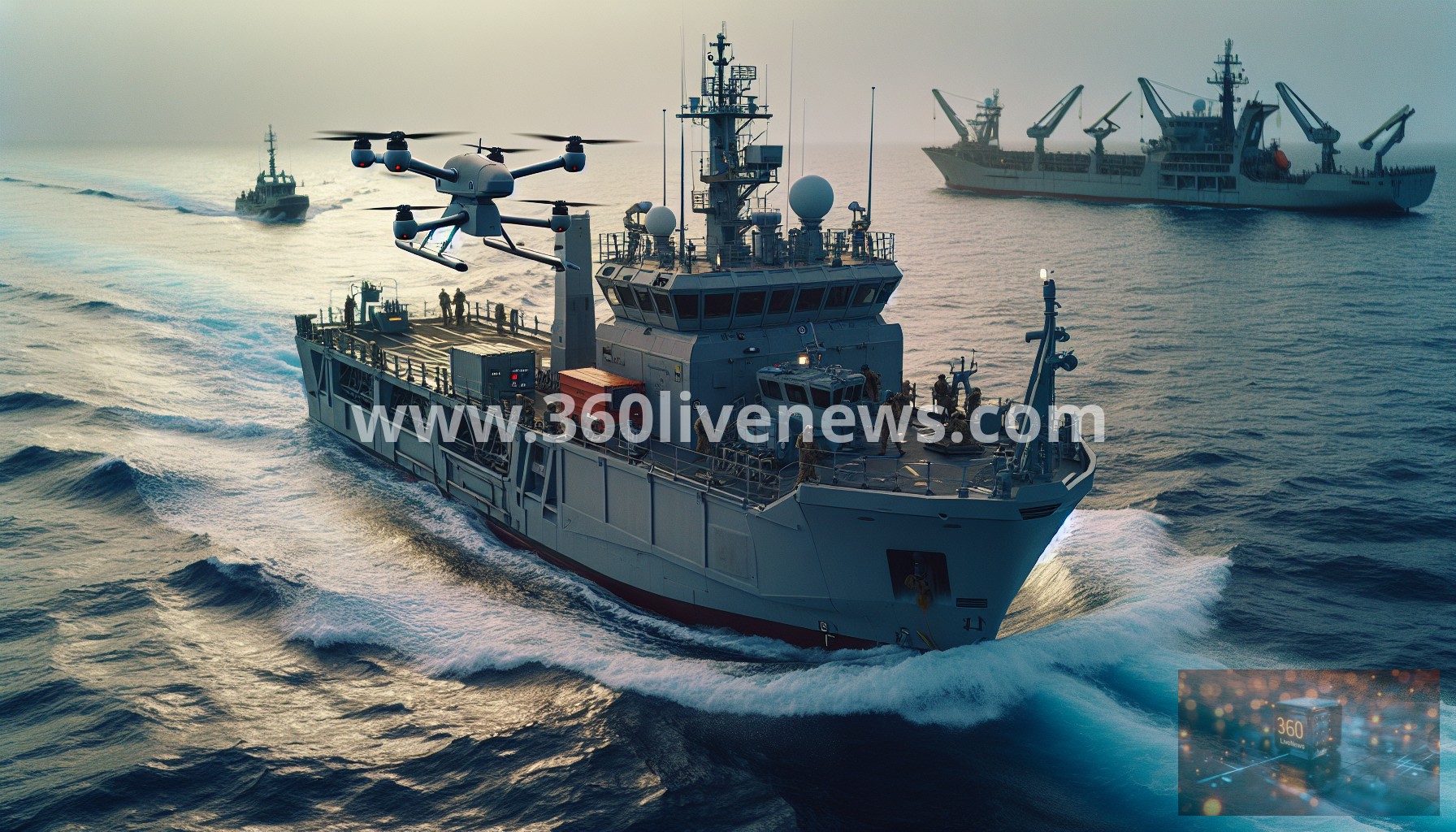
The United Kingdom is taking significant steps to enhance maritime security in the Strait of Hormuz by preparing for the deployment of the Royal Fleet Auxiliary vessel, Lyme Bay. This amphibious ship, measuring 580 feet, is set to be equipped with autonomous underwater drones and mine-hunting boats, facilitating its transformation into a mobile base capable of clearing naval mines.
As tensions continue to mount in the region, the decision aligns with recent threats posed by maritime mines that jeopardize both commercial and military navigation. The vessel is currently undergoing routine maintenance in Gibraltar, where it was originally intended for training exercises in the Mediterranean but has been repurposed for a potential operational mission to the Gulf.
The UK Defense Secretary, John Healey, has given the green light for contingency plans to expedite Lyme Bay's deployment amid increasing maritime security threats. This move underscores the UK's commitment to ensuring safe passage for global energy supplies and commercial vessels that traverse these waters, reflecting the importance of maritime security.
The Strait of Hormuz is of paramount significance, as a considerable percentage of the world's oil passes through this vital route. The UK's involvement reflects a broader geopolitical strategy to stabilize areas facing heightened military tensions and signals solidarity with allied powers advocating for open shipping lanes in the Middle East.
This deployment is not merely a military exercise; it represents a strategic maneuver that could have wide-ranging implications for global trade and energy markets. Any interruption in operations at the Strait can lead to significant economic repercussions, making the presence of fixed anti-mine capabilities essential for economic security.
The integration of autonomous mine-clearing technologies into naval operations marks an evolving trend in maritime security. Such advancements allow for operational efficiency while minimizing potential risks to personnel, reflecting a growing reliance on advanced technology in military strategies.
The UK has a long-standing history of involvement in Middle Eastern affairs, often navigating a delicate balance between international alliances and regional interests. The decision to deploy Lyme Bay demonstrates the ongoing evolution of military responsibilities that accompany diplomatic engagements in this increasingly volatile landscape.
Amid these developments, it remains crucial to monitor international responses to the UK's intent to bolster security in the Strait of Hormuz. As tensions fluctuate, the global community will be closely watching the implications of this deployment for maritime stability and energy security.
#RoyalFleetAuxiliary #StraitOfHormuz #LymeBay #JohnHealey #Gibraltar #MaritimeSecurity #EnergySupplies #GeopoliticalTensions #NavalOperations #AutonomousSystems #MiddleEast #InternationalRelations #TradeRoutes #MilitaryStrategy
