US military presence in the Middle East increases to over 50,000 troops amid recent deployments of Marines and sailors
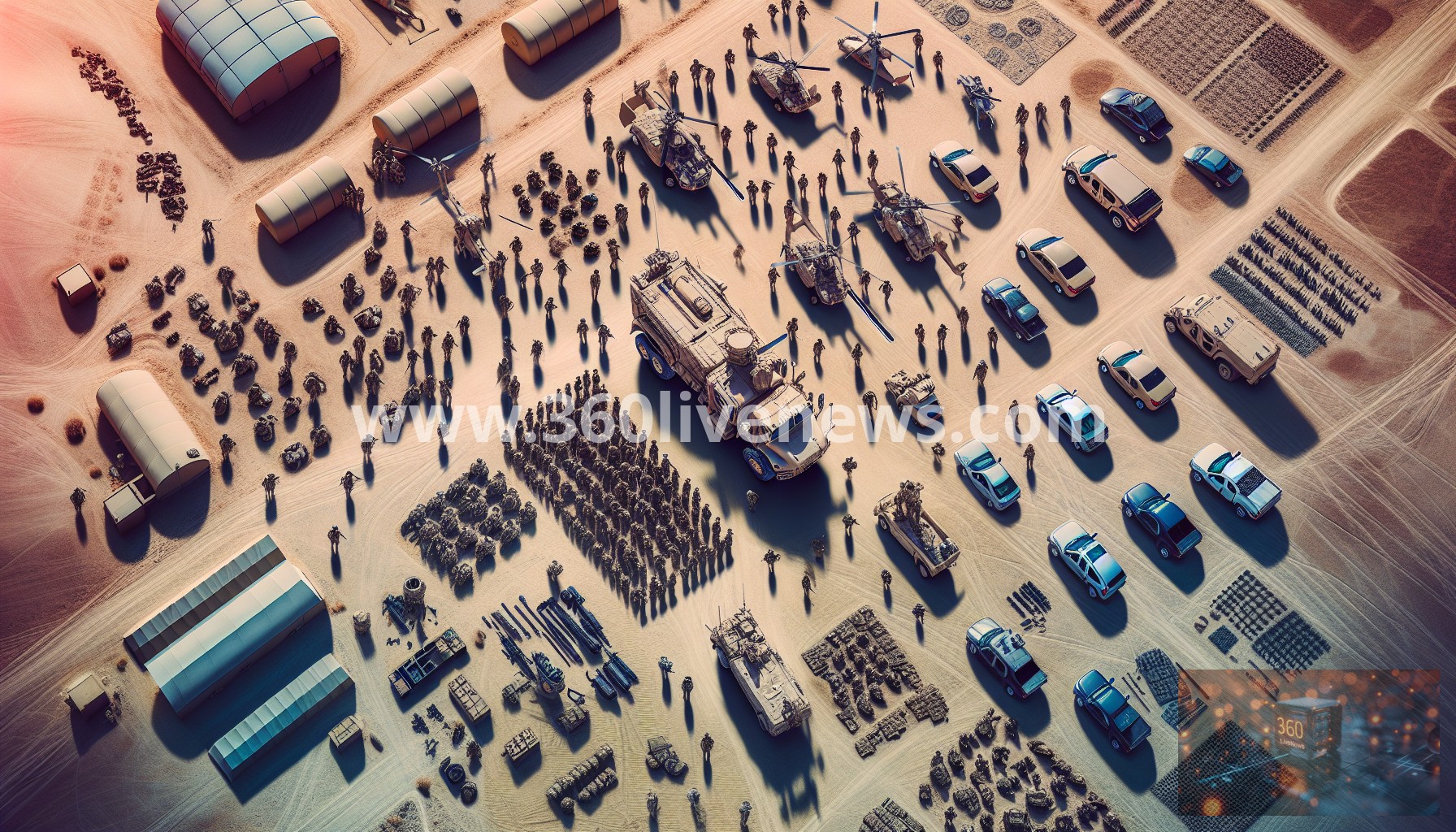
The US military presence in the Middle East has recently intensified, with over 50,000 American troops currently stationed in the region. This increase includes the arrival of 2,500 Marines and an additional 2,500 sailors, bolstering the usual troop levels by approximately 10,000 personnel. This ongoing military buildup raises questions about the strategic intent behind these deployments and the potential implications for regional stability.
The increase in troop numbers is part of a broader strategy by the United States, aimed at addressing escalating tensions in various hotspots across the Middle East. This push comes after concerns over Iran’s nuclear developments, ongoing conflicts in Syria and Yemen, and the rise of extremist groups in the region. The significant military footprint reflects a response to perceived threats and is designed to reinforce US commitments to allies and to deter adversaries.
Historically, the US has maintained a substantial military presence in the Middle East, with major installations such as the Camp Lejeune serving as key bases for operations. This latest deployment illustrates a continuation of that trend, as military leaders assert the necessity of being prepared for a range of contingencies in a complex threat environment. The presence of these troops at this scale holds significant implications for regional security dynamics and diplomatic relations.
Military officials have emphasized the importance of readiness, with the recent troop increases expected to enhance operational capabilities in a volatile region. The 50,000 personnel include not only Marine units but also various support and logistical components essential for sustaining prolonged operations. This level of commitment indicates the seriousness with which the US views the current geopolitical climate and its readiness to engage if necessary.
The US military action in the region is also shaped by alliances and partnerships with local forces. The presence of American troops facilitates coordination with allies such as Israel Defense Forces and members of the Gulf Cooperation Council, enhancing collective defense mechanisms against common threats. However, this cooperation is not without its challenges, as differing political priorities and strategic visions can complicate joint military efforts.
Furthermore, the deployment comes amid increasing scrutiny from both domestic and international observers regarding US foreign policy in the Middle East. Critics argue that the military approach may exacerbate tensions rather than alleviate them, calling for diplomatic solutions instead of military escalation. The decision to maintain a high troop presence in the region, particularly amidst calls for a shift towards more diplomatic engagements, highlights the complexities of US foreign policy.
The implications of this troop increase extend beyond immediate military objectives, affecting economic relationships and energy security. The Middle East is a critical region for global oil supply, and the presence of US forces can impact market stability and access. Observers are keenly monitoring how these dynamics evolve, particularly in light of the recent increase in troop numbers and overall military readiness.
The deployment of forces also raises questions about long-term US strategy in the region, particularly in relation to counter-terrorism efforts and the containment of Iran. The military buildup is emblematic of a robust US response to asymmetric threats that continue to emerge in the Middle East. As the situation unfolds, the potential for conflict remains a pressing concern for policymakers and military strategists alike.
#MiddleEast #USMilitary #TroopDeployment #Marines #Iran #RegionalSecurity #Diplomacy #USTroops
