Australia Faces Fuel Crisis Amid Middle East Tensions Impacting Tourism and Service Stations
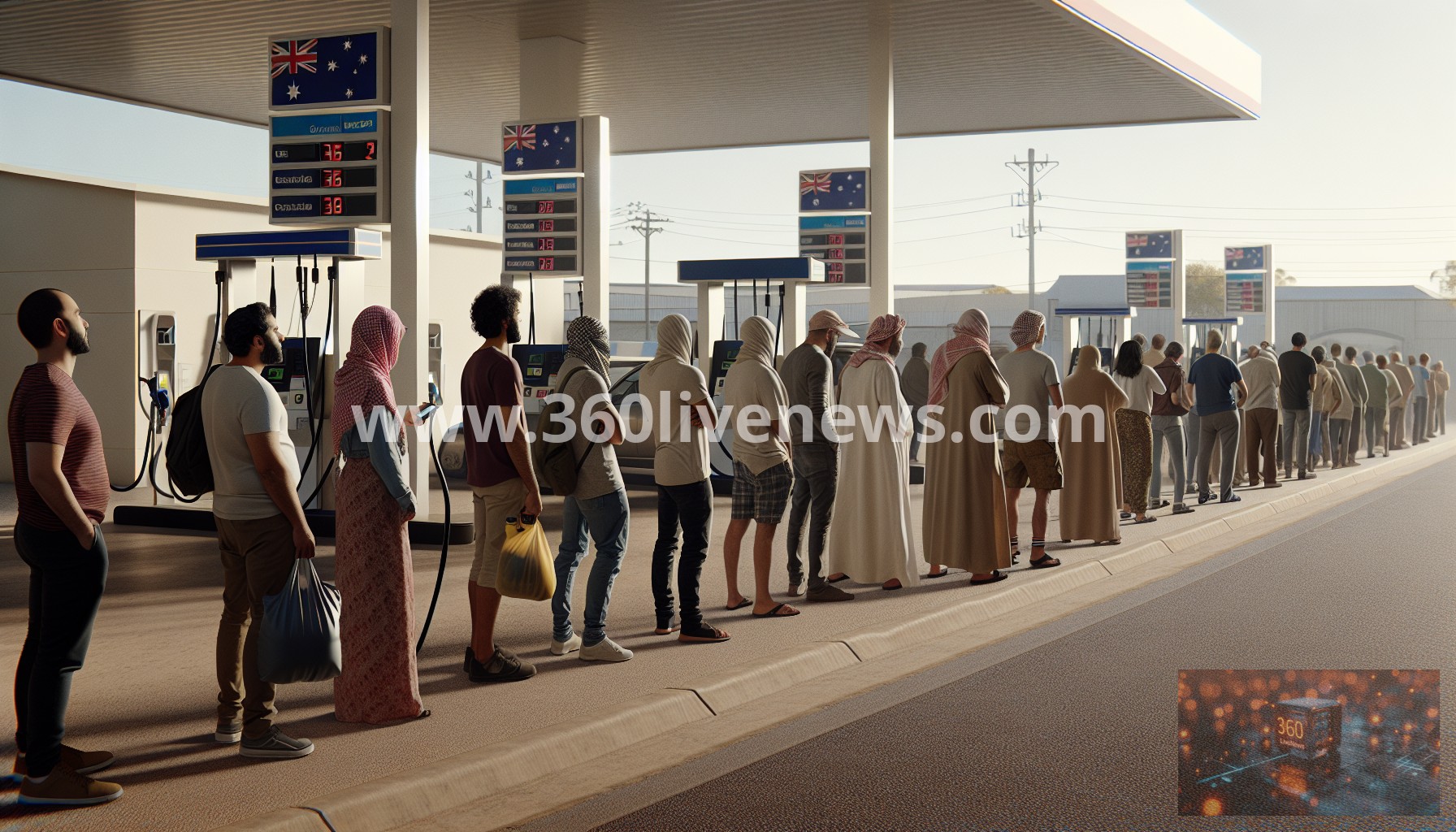
Australia is currently grappling with a fuel crisis exacerbated by escalating tensions in the Middle East, significantly impacting local tourism. Prime Minister Anthony Albanese has recently stepped up to address the situation, aiming to steer public messaging effectively as cancellations surge ahead of the upcoming Easter long weekend. The Australian government acknowledged that hundreds of service stations across the country have been affected by fuel shortages, which has led to an increased public outcry and anxiety regarding fuel availability and prices.
Reports indicate that rising fuel prices, attributed to instability in the Middle East, have forced many Australians to reconsider their travel plans. The tourism sector, which typically sees a surge in activity around holiday periods, is experiencing a noticeable decline in bookings. Airlines are also warning of mounting cost pressures, and regional tourism operators are proactively offering fuel offset vouchers to encourage travel. This move aims to counteract the negative effects of rising costs, allowing visitors to maintain their travel plans despite fuel price hikes.
The Australian fuel crisis is not merely a domestic issue but is intricately linked to the ongoing conflicts in the Middle East. The conflict has driven up oil prices globally, affecting fuel availability and exacerbating inflation pressures across various sectors. As the situation evolves, the Albanese government's strategy for addressing these challenges remains pivotal in maintaining public trust and ensuring economic stability amidst rising costs.
With confirmed reports highlighting significant disruptions at service stations, Australians are feeling the pinch. The government must navigate this minefield carefully, as public frustration with high fuel prices can quickly translate into political fallout. In recent weeks, there has been a palpable shift in how the government communicates about these challenges, as officials work to reassure the public that measures are being taken to address the crisis effectively.
Several areas have reported specific fuel shortages, leading the federal government to take action to stabilize supply channels. Reports detail how regional areas, heavily reliant on tourist traffic during holiday periods, are facing urgent economic challenges. Some travel operators are implementing flexible booking policies, allowing travelers to adjust plans without incurring hefty fees as uncertainty looms over the fuel situation.
The response from government and local tourism sectors reflects a broader concern regarding the impact of international events on domestic economies. Rising costs in essential goods such as fuel force everyday Australians to rethink their spending habits, impacting both individual households and local businesses. The Australian government's ability to respond effectively to these pressures will be monitored closely in the coming weeks, particularly as the Easter long weekend approaches and pressures mount.
Historically, fuel prices have fluctuated with global events, particularly in the Middle East where conflicts can lead to disruptions in oil supply. The current situation echoes previous instances when geopolitical instability has directly influenced Australian fuel costs, resulting in widespread public concern. Policymakers now face the challenge of ensuring that the domestic market remains robust while adjusting to fluctuating global oil prices, which can lead to inflationary pressures and economic strain.
As discussions regarding the impacts of rising fuel costs continue among policymakers and the public alike, analysts emphasize the importance of clear communication from the government. Ensuring that citizens are informed about what steps are being taken to manage the situation can help alleviate some of the growing anxiety. Misinformation or lack of transparency could exacerbate public frustration, potentially leading to a decline in trust towards the government.
The implications of the Australian fuel crisis extend beyond mere economics; they touch on the broader issues of energy security and international relations. As Australia contends with both domestic economic pressures and the ramifications of foreign conflicts, the government’s response will shape public perception and trust in its leadership. Engaging effectively with the electorate during this crisis may prove essential for maintaining political stability.
#Australia #FuelCrisis #MiddleEast #Easter #Tourism #Albanese #Government #Cancellations
