Trump Mobilizes Special Operations Forces to Middle East Amid Rising Tensions with Iran
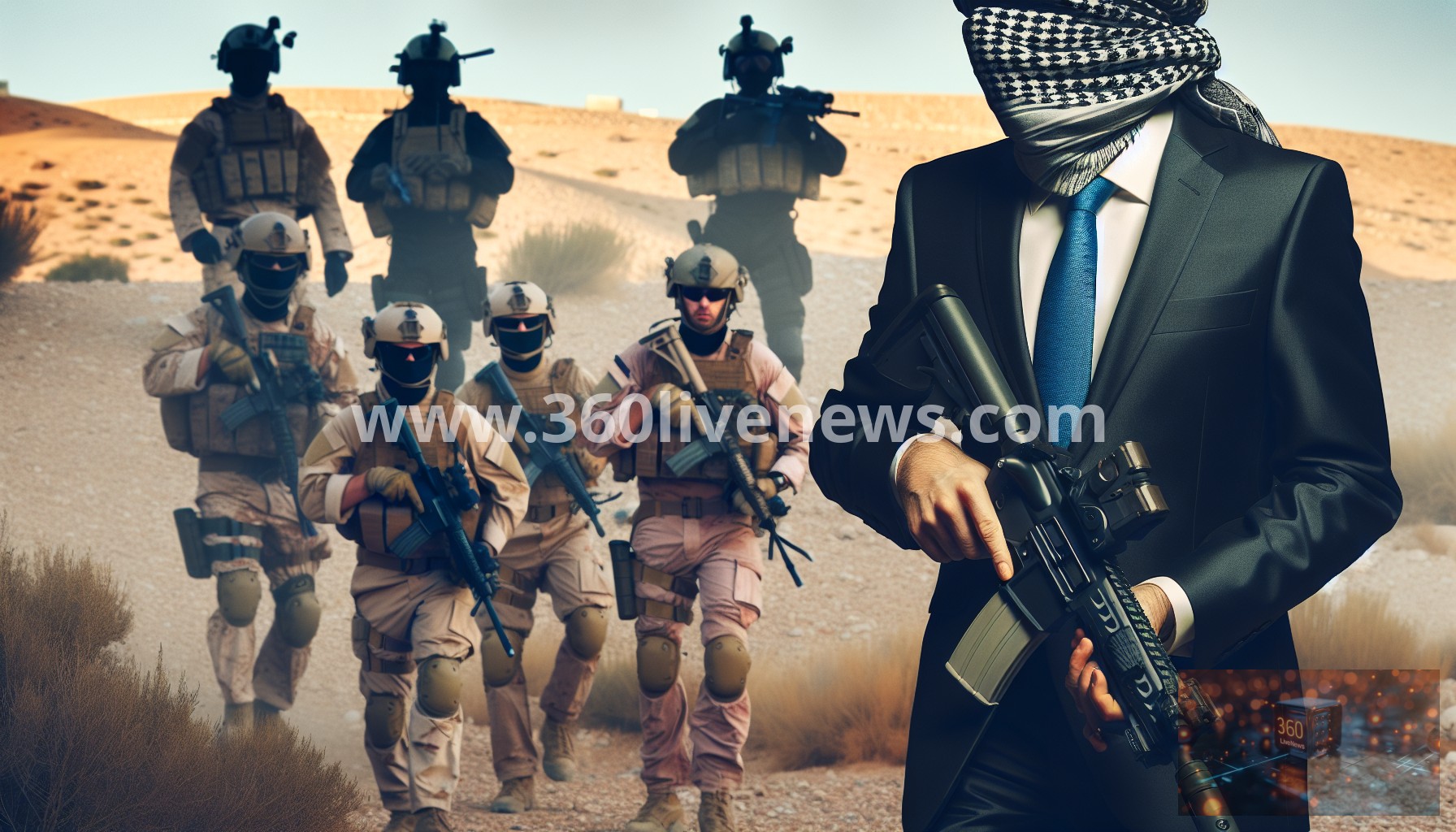
As military tensions escalate, President Trump has mobilized special operations forces to the Middle East, a decision intensifying bipartisan debates about U.S. foreign policy regarding Iran. Amid concerns surrounding Iran's nuclear capabilities and the security of the strategic Strait of Hormuz, the deployment reflects an urgent response to geopolitical risks in the region.
The recent decision comes against the backdrop of significant internal opposition from younger conservative factions within the Republican Party. Observers have noted a generational divide expressed during the Conservative Political Action Conference (CPAC), held in Texas. Younger attendees aired grievances over the President's military actions, regarding them as a betrayal of his earlier pledges to reduce foreign entanglements.
Reports indicate that Trump's decision comes amidst rising fears regarding Iran's storied stockpile of enriched uranium, which heightens anxieties about potential nuclear proliferation in the region. The specifics of the commandos’ assigned missions remain unclear, suggesting a level of ambiguity within the operational directives of U.S. military involvement. These developments amplify scrutiny on Trump’s administration, which had previously criticized lengthy military engagements.
At CPAC, older conservatives defended Trump's approach as necessary, arguing the military deployment is a pragmatic response to perceived threats from Iran. Many attendees expressed a desire for party unity in light of the challenges facing Republicans in upcoming midterm elections, emphasizing that the decision to initiate military action is a critical maneuver to ensure national security.
This situation marks a significant moment in Trump’s presidency, especially as the military launch occurs during a time of heightened political vulnerability. For the first time in a decade, Trump notably did not attend CPAC, as he remains occupied with military strategies regarding Iran. His absence from this key annual conference reflects the significant weight that ongoing conflicts are placing on his leadership and the narrative he has constructed about ending wars.
While younger conservatives explicitly criticize the ramifications of a new military engagement, they risk deepening fractures within the party. The differing perspectives on military involvement underscore a growing discontent with ongoing engagements in foreign conflicts, aligning with broader sentiments about national priorities.
The implications of Trump's military strategy extend beyond U.S. borders, potentially reshaping international relations, particularly with Iran. In previous phases, relations between Iran and the United States have soured significantly, marked by a history of sanctions, military confrontations, and diplomatic failures. The current military escalation could exacerbate these tensions further, complicating any future negotiations and peace efforts.
In addition to the domestic fallout, expert analysts urge that U.S. involvement in Iran should be weighed against its regional allies' security dynamics. Authorities within the Pentagon and intelligence agencies are likely to monitor regional movements closely as Iran may respond militarily or politically to U.S. deployments in the area, heightening the stakes of engagement.
As this developing story unfolds, members of Congress from both parties are likely to call for clarity and accountability concerning U.S. military objectives in Iran. With the midterms approaching, the growing pushback from the younger conservative demographic may place additional pressure on the Trump administration to justify its military actions and address broader party concerns regarding foreign policy direction.
#Iran #Trump #CPAC #military #foreign_policy #republicans #geopolitics #Strait_of_Hormuz
