Min Aung Hlaing Nominated for Vice-President Amid Ongoing Political Turmoil in Myanmar
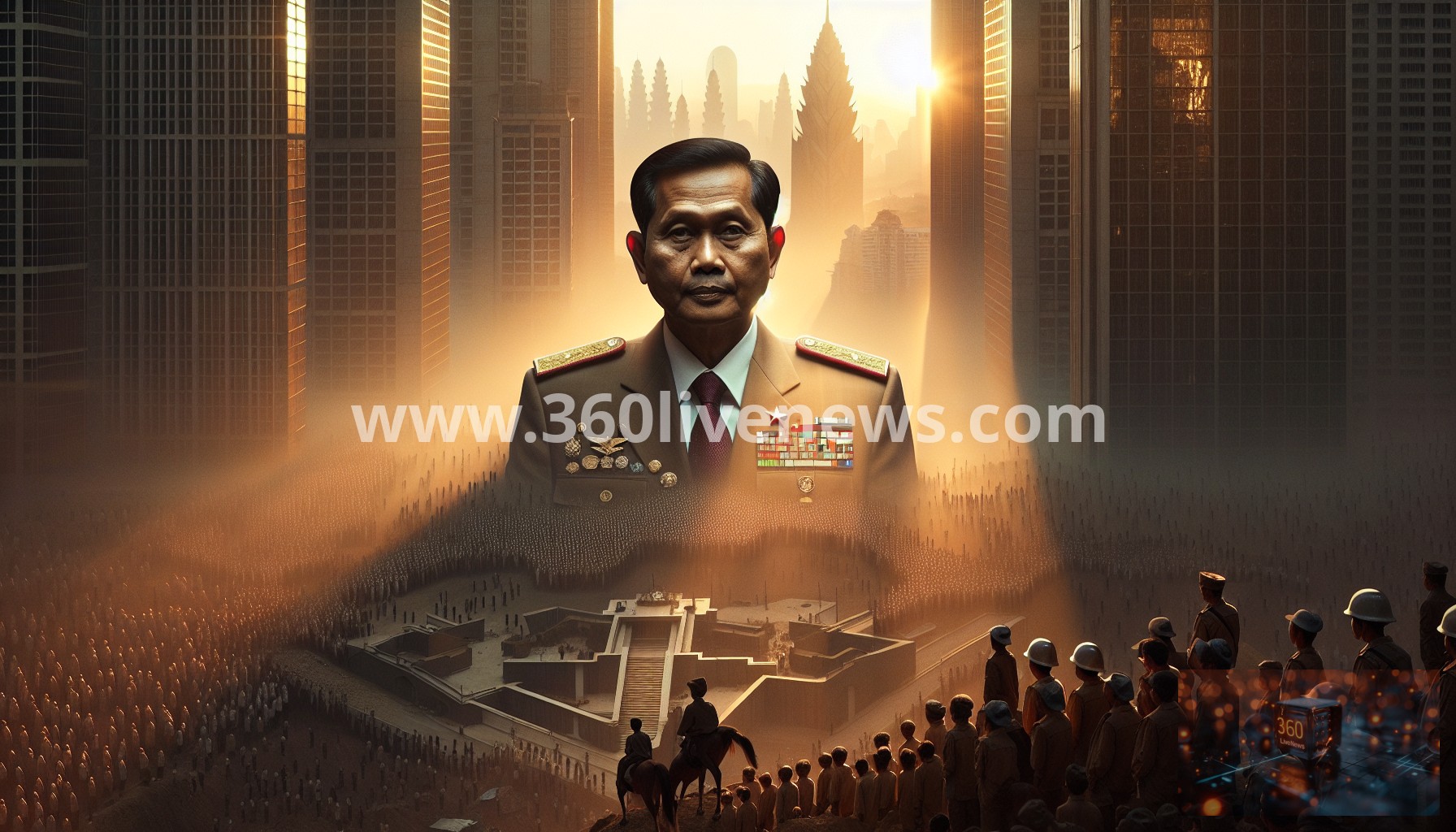
Min Aung Hlaing, who has led Myanmar since a coup in 2021, is set to further solidify his grip on power following his nomination for the position of vice-president by Kyaw Kyaw Htay, a member of his ruling party. The nomination, made public during a Monday session broadcasted by state-run media, comes amidst heavy restrictions on political dissent and following a series of controversial elections characterized by widespread criticisms and claims of illegitimacy.
The political landscape in Myanmar has undergone a dramatic transformation since Min Aung Hlaing's coup where he ousted the government of Aung San Suu Kyi and her National League for Democracy (NLD) party. This power grab has been met with international condemnation, and numerous nations have imposed sanctions on the military regime. Domestically, the coup catalyzed widespread protests, which the junta suppressed with significant force, leading to numerous casualties and arrests.
In the lead-up to the recent elections held in January, Min Aung Hlaing's administration introduced legislation that not only criminalized dissent but also facilitated a walkover victory for pro-military parties. Analysts have described the elections as a facade, lacking genuine democratic elements, while Min Aung Hlaing continues to face accusations of ruling with an iron fist.
Political analysts, such as Naing Min Khant from the Institute for Strategy and Policy Myanmar, emphasize that Min Aung Hlaing's nomination is indicative of his strategy to maintain a semblance of legitimacy while wielding considerable power. Despite lacking widespread public support after years of military governance, his determination to pursue official positions underlines a clear intention to continue his regime unchallenged.
The ongoing political crisis in Myanmar underscores the broader implications for regional stability in Southeast Asia. The Association of Southeast Asian Nations (ASEAN) has faced criticism for its response to the crisis, particularly following the failure of peace initiatives aimed at curtailing military violence and reinstating a civilian government. Current dynamics compel regional leaders to reconsider their engagement strategies with the junta, which continues its repressive tactics against both political opponents and the general populace.
As Myanmar's political turmoil continues, international observers are watching closely. The potential appointment of Min Aung Hlaing to a civilian position, despite his military background, could further complicate diplomatic relations with Western nations advocating for democracy and human rights in Myanmar. These developments may provoke additional sanctions or diplomatic efforts aimed at pressure tactics designed to strengthen the opposition and diminish military influence.
Human rights groups remain vigilant as well, articulating concerns regarding ongoing abuses including arbitrary detentions, violence against protesters, and repression of freedom of speech. Reports indicate that peace negotiations primarily exclude perspectives from the ousted government and civil society actors, raising serious questions about the inclusivity and legitimacy of any forthcoming political arrangements.
In examining the economic dimension, the military’s hold on power has also impeded development and exacerbated humanitarian crises across various states within Myanmar. The economy suffered significantly following international sanctions and internal conflict, with estimates indicating a severe recession and increasing poverty levels. Meanwhile, the junta's focus on consolidating political power has deprioritized essential public services, compelling many to seek alternative means of sustenance amidst a backdrop of increasing hardship.
This latest political maneuvering, characterized by Min Aung Hlaing's nomination and the framework of the junta's ongoing governance strategies, indicates that the political environment in Myanmar remains volatile. With no clear resolution in sight, the situation poses critical concerns both for the people of Myanmar who seek democratic reform and for international actors invested in regional stability.
#Myanmar #MinAungHlaing #PoliticalCrisis #Democracy #Elections #HumanRights #ASEAN #IronFist #PoliticalDissent #Sanctions #StrategyAndPolicy #AungSanSuuKyi #MyanmarLegislation
