US Secretary of State Rubio affirms Strait of Hormuz will reopen amid escalating US-Iran tensions
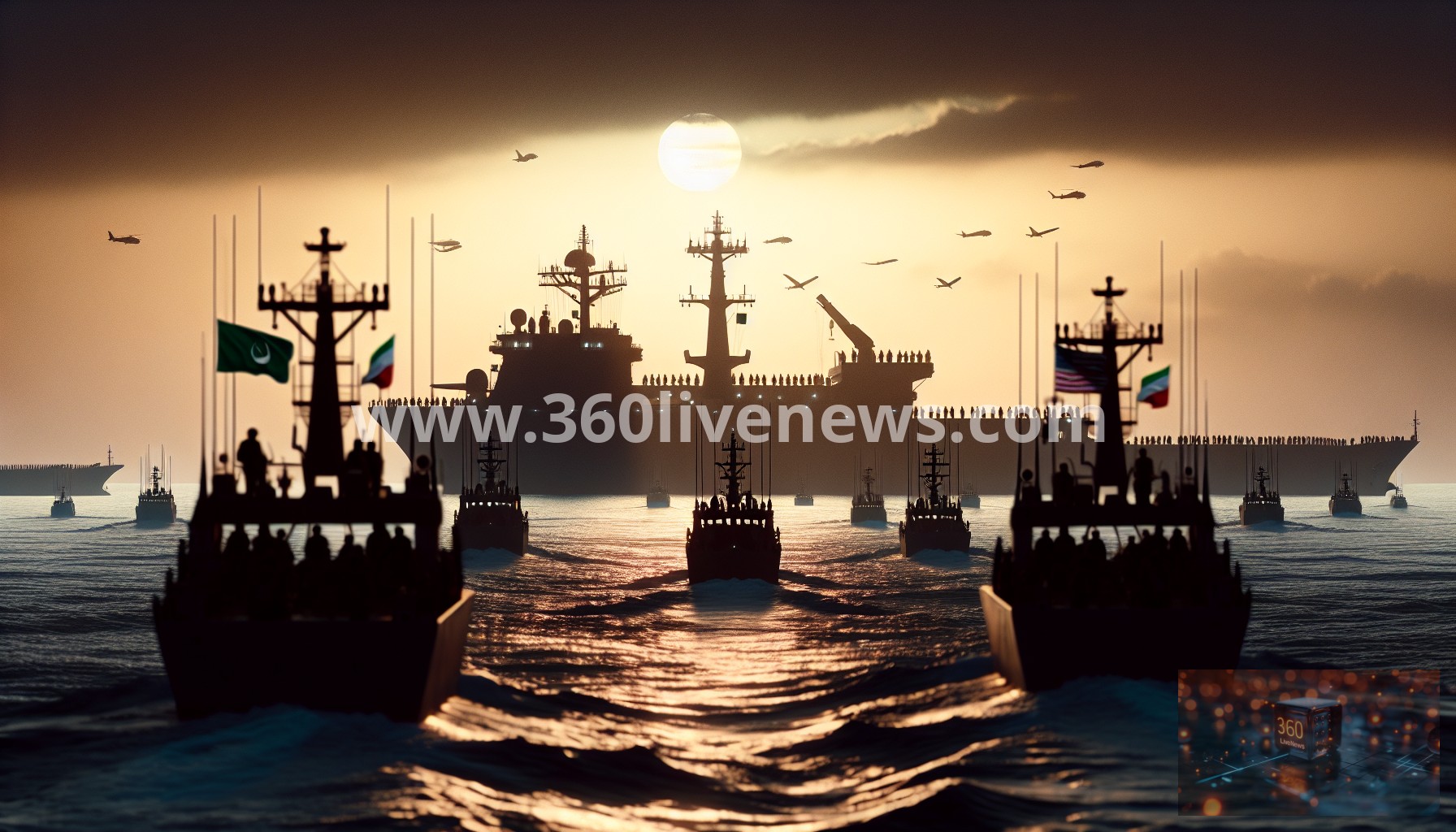
The situation surrounding the Strait of Hormuz continues to escalate, with US Secretary of State Marco Rubio asserting that the waterway will reopen "one way or another" in an exclusive interview with Al Jazeera. This statement comes against the backdrop of ongoing tensions between the US and Iran, exacerbated by Iran's actions in the region, including military posturing that has led to increased uncertainty in global energy markets.
Rubio emphasized that the US will not accept Iran's claims over the Strait, a critical chokepoint for global oil transit. He warned of "real consequences" for Iran if it persists in blocking access. As tensions mount, the strategic importance of the Strait, which sees approximately one-fifth of the world's oil supply transit annually, has come under focus. The US aims to maintain open shipping routes to mitigate the potential economic fallout from these developments, which could involve economic sanctions and military responses.
In an accompanying response to the rising energy crisis, the Group of Seven (G7) nations are taking precautionary measures as they face higher energy prices that threaten to escalate inflation and impact economic growth. The G7, comprising France, Germany, the United States, Canada, Japan, the United Kingdom, and Italy, has pledged to coordinate efforts to stabilize energy markets amid the ongoing hostilities involving Iran and Israel.
The G7's statement reflects their readiness to "take all necessary measures" to ensure market stability, a direct response to fluctuations triggered by Iran’s actions in the Gulf. Notably, Brent crude oil prices surged beyond $116 per barrel, indicating growing concern over energy security stemming from these geopolitical tensions.
This escalation coincides with Iran's purported targeting of Gulf oil producers and effectively blocking shipping through the Strait of Hormuz. Such actions have prompted calls from the G7 for countries to refrain from imposing "unjustified export restrictions" on oil and gas, emphasizing the need for cohesive international cooperation as nations grapple with the resulting economic instability, which could lead to trade wars.
The implications of the current situation extend beyond immediate energy markets. Historically, the Strait of Hormuz has been a focal point of geopolitical maneuvering, notably during the Gulf War and various conflicts involving Iran. The US has continually expressed its commitment to freedom of navigation in these waters, which remains critical for global energy supply chains.
Diplomatic interactions within the context of this crisis reflect a complex web of alliances and tensions. The US's stance against Iran aligns with its broader Middle Eastern policy, which includes support for Israel amidst its military activities in the region. This policy framework has historically involved sanctions and military alliances aimed at curbing Iran's influence, particularly through NATO partnerships.
As the situation in the Strait of Hormuz unfolds, the interplay of economic, security, and diplomatic factors will be pivotal. Experts highlight that sustained tensions may lead to a broad coalition of nations working to ensure energy security and stability. The G7's proactive stance showcases an understanding of the ramifications of unchecked hostility, particularly in a region so crucial to global energy infrastructure, including oil international trade.
With both US and Iranian statements indicating a willingness to confront and counter one another, the global community watches closely. The potential fallout from this escalating cycle of threats could have lasting repercussions, not just for the nations involved but for the energy-dependent global economy as well.
#Iran #StraitofHormuz #US #G7 #EnergyMarkets #Geopolitics #OilPrices #MiddleEast
