Two Indonesian peacekeepers killed in explosions in southern Lebanon, UN reports
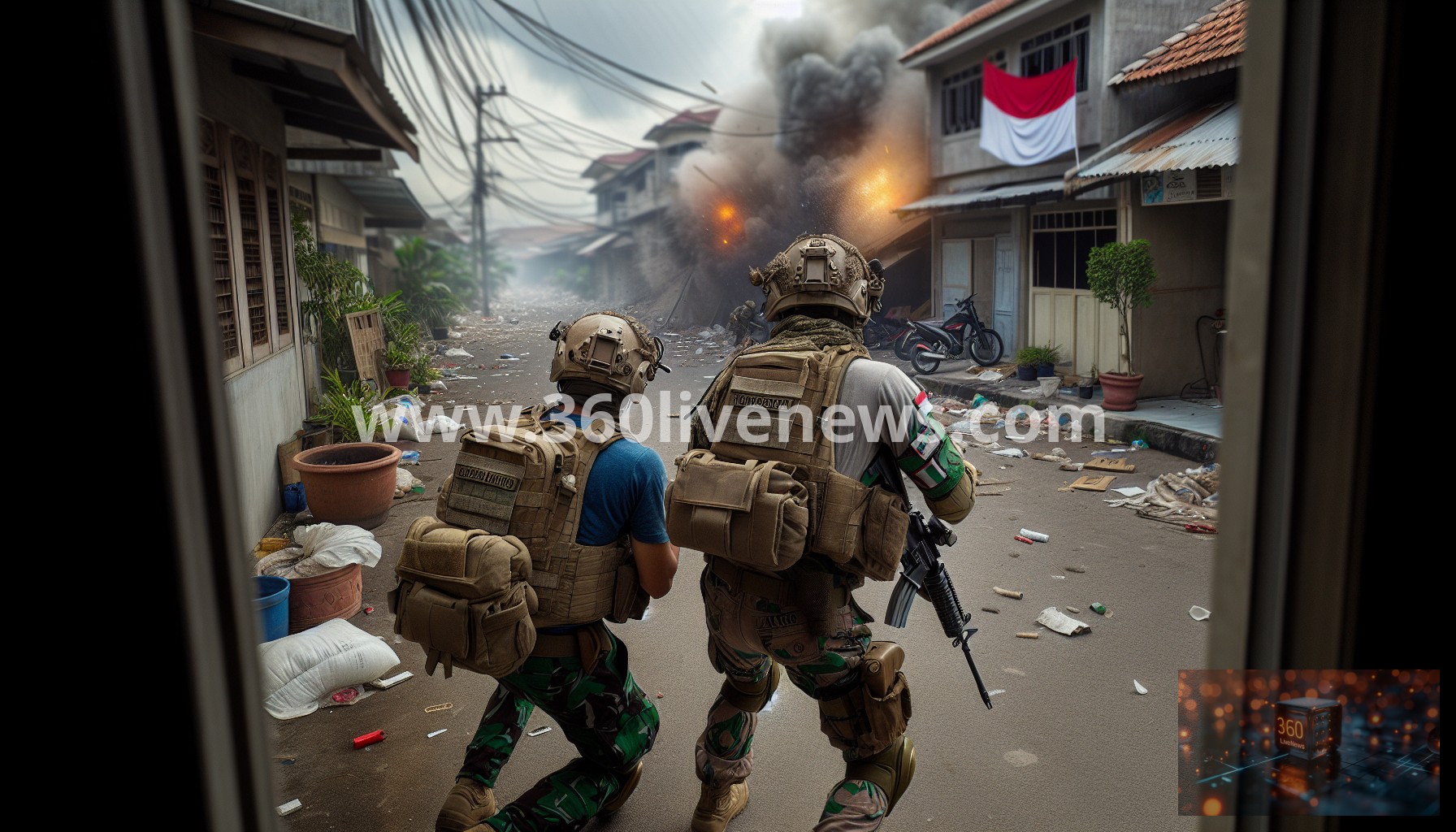
On Monday, two Indonesian peacekeepers were killed in southern Lebanon due to an explosion of unknown origin that destroyed their vehicle, as confirmed by the United Nations Interim Force in Lebanon (Unifil). This incident follows another explosion that occurred on Sunday night, which also resulted in the death of an Indonesian peacekeeper in Adchit Al Qusayr, marking a tragic development in a long-standing conflict that has seen an uptick in violence recently.
The United Nations announced that a third peacekeeper was severely injured, while a fourth sustained minor injuries in the latest explosion. The circumstances surrounding these incidents prompted Unifil to initiate investigations to ascertain the cause and nature of the explosions. The peacekeeping force, stationed in the region to monitor the ceasefire between Israel and Hezbollah, is currently under increasing scrutiny given the escalating security situation.
These fatalities are part of a broader context of heightened military activity, especially as the Israeli military has recently increased both ground and air operations against Hezbollah, a Lebanese militant group. The situation in Lebanon remains complicated by external geopolitical pressures, with Israel’s actions frequently responding to perceived threats from Hezbollah’s arsenal and operations along its northern border.
Unifil, established in 1978, has been tasked with maintaining peace and security in southern Lebanon and ensuring respect for the territorial integrity of Lebanon. The current tensions reflect a troubling trend over recent months, with increasing artillery exchanges and border skirmishes reported between Israeli forces and Hezbollah militants. The deaths of the Indonesian peacekeepers add a layer of international concern regarding the safety and effectiveness of peacekeeping missions.
In light of the tragic loss of life, various security analysts are raising alarms about the deteriorating peace and security climate in Lebanon. The timing of these events coincides with legislative actions in Israel that may further escalate tensions. The Israeli parliament has recently passed a law that permits the death penalty for Palestinians convicted of lethal attacks against Israelis. This significant legislative shift has been met with strong opposition from both human rights organizations and various Palestinian representatives, who argue that it undermines the principles of justice and could provoke further violence.
Meanwhile, former US President Donald Trump has made alarming threats regarding Iran’s energy infrastructure, stating that he would “obliterate” Iran’s power and water facilities if peace terms are not reached soon. This rhetoric sends shockwaves through the region, as tensions between Iran and both Israel and the United States continue to build. Iran has dismissed the US's peace proposals as unrealistic while maintaining its missile launch operations aimed at Israel, thereby complicating any potential diplomatic resolutions.
Amid international efforts for peace, including ongoing talks between US diplomats and Iranian officials, the situation remains precarious. The White House asserts that negotiations are progressing well, even as public statements from the Iranian government differ significantly from private discussions. These diplomatic efforts face skepticism given the uncompromising stances exhibited by both sides in conflict.
The situation in Lebanon and the broader Middle East is further exacerbated by geopolitical alliances and shifting allegiances. The ongoing power struggles involving Iran, Hezbollah, Israel, and the United States play a critical role in shaping the current crisis. The deaths of the Indonesian peacekeepers, particularly amid this volatile backdrop, underscore the fragility of peacekeeping efforts and the high price paid by countries contributing personnel to international missions.
As investigations proceed into the recent bombings, the international community remains alert to the implications of these developments. The combination of increasing military hostility from Israel, legislative changes regarding punitive measures against Palestinians, and volatile tensions with Iran indicates a sharply divided landscape that could erupt into larger conflicts if not navigated carefully.
#UNIFIL #Israel #Lebanon #Hezbollah #Peacekeepers #IndonesianPeacekeepers #PoliticalTension #MiddleEastConflict
