Middle East conflict leads to decline in tourism and affects regional economies and airline operations
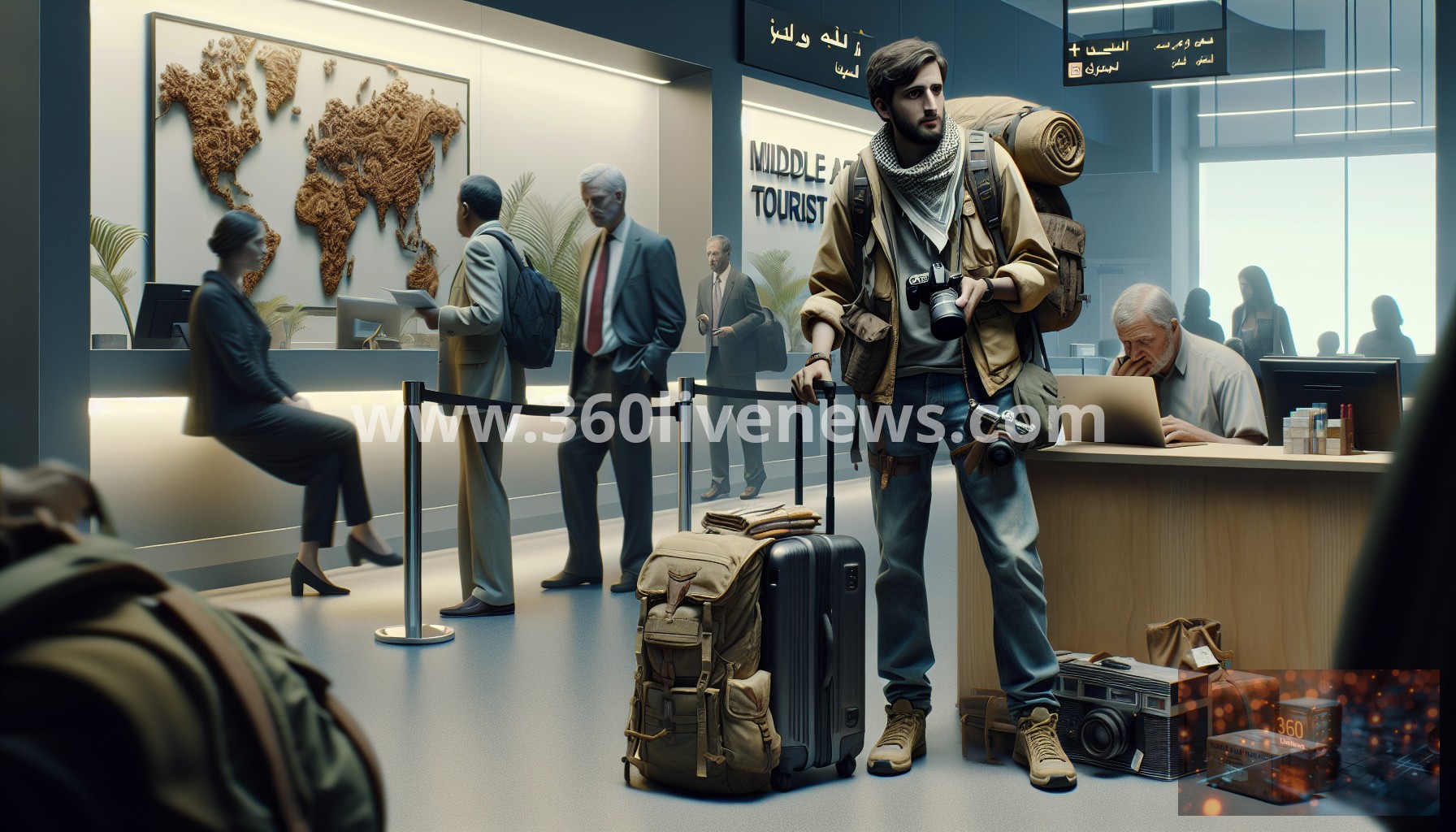
The ongoing war in the Middle East is creating significant ripple effects across various sectors, notably in tourism and international relations. Recent reports indicate a marked decrease in travelers opting for destinations within the conflict zone, as airlines in the region struggle to maintain operations, reinforcing concerns about safety among potential holidaymakers. This shift in travel patterns is not only reshaping itineraries but also impacting the economies that rely heavily on tourism revenue.
In recent statements, former U.S. President Donald Trump has made provocative comments regarding Iran's Kharg Island, the nation's crucial oil export terminal. He threatened to "obliterate" Iranian assets if diplomatic resolutions are not reached, further heightening tensions that have been inflamed by the ongoing military conflict. Trump's rhetoric raises alarms about the potential for escalated military actions, sparking both domestic and international anxieties about the implications of U.S. involvement in foreign conflicts.
The immediate fallout from these developments has been evident in the travel industry, which has already seen a significant decline in bookings to the Middle East. As airlines in the region report severe impacts on their operations, vacationers are increasingly choosing alternative destinations that are perceived as safer. Experts note that this alteration in travel habits not only affects tourism-dependent economies but also reflects a broader trend of adapting to geopolitical uncertainties.
Historical context is essential to understanding the current situation in Iran and its implications for global diplomacy. The tensions between the U.S. and Iran have fluctuated significantly over the years, marked by a series of conflicts and diplomatic failures. Kharg Island has long been a focal point in these relations due to its role in oil exports; thus, its mention by Trump as a target has serious implications for global oil markets, which could see price fluctuations due to perceived threats to supply sources.
The implications of these recent statements and developments stretch beyond tourism and economic concerns, raising questions about international security. The rise in military rhetoric from U.S. officials can be seen as part of a broader strategy to assert American influence in a volatile region. Diplomatic analysts suggest that this approach risks further alienating Iran, which could lead to heightened military confrontations and a protracted conflict that impacts not only the Middle East but also global political dynamics.
Furthermore, as tourism and travel industries navigate the challenges posed by instability in the Middle East, stakeholders are forced to rethink strategies to attract visitors. Extensive marketing campaigns focusing on safety may take precedence over traditional promotions. This reorientation includes exploring new markets and diversifying offerings beyond the conventional hotspots affected by geopolitical shifts.
The historical relationship between tourism and regional stability highlights a critical connection; regions less impacted by conflict tend to attract more visitors. Governments and tourism boards often rely on this fact, making it essential to handle diplomatic relationships carefully to maintain tourist interest. As ongoing wars create uncertainties, they trigger a complex interplay where safety and accessibility significantly influence travel decisions.
The current developments occur against a backdrop of longstanding international debates about military intervention. With the power to shift diplomatic and economic strategies, the potential consequences of the U.S. approach to Iran will likely reverberate through various global sectors, including energy, economies, and tourism. Experts are watching closely to gauge the reactions from both Iran and the broader international community as the situation unfolds.
In this context, travel advisories from governmental organizations like the U.S. State Department may shape future tourist behaviors. As travelers prioritize safety, governments may have to act quickly to provide a more welcoming environment to counteract the effects of geopolitical instability, aiming to reassure those who may hesitate to travel amid current tensions.
#Tourism #MiddleEast #Iran #USA #Trump #KhargIsland #GlobalPolitics #Economy
