Ukraine Marks Fourth Anniversary of Bucha Massacre with EU Foreign Ministers' Visit to Kyiv
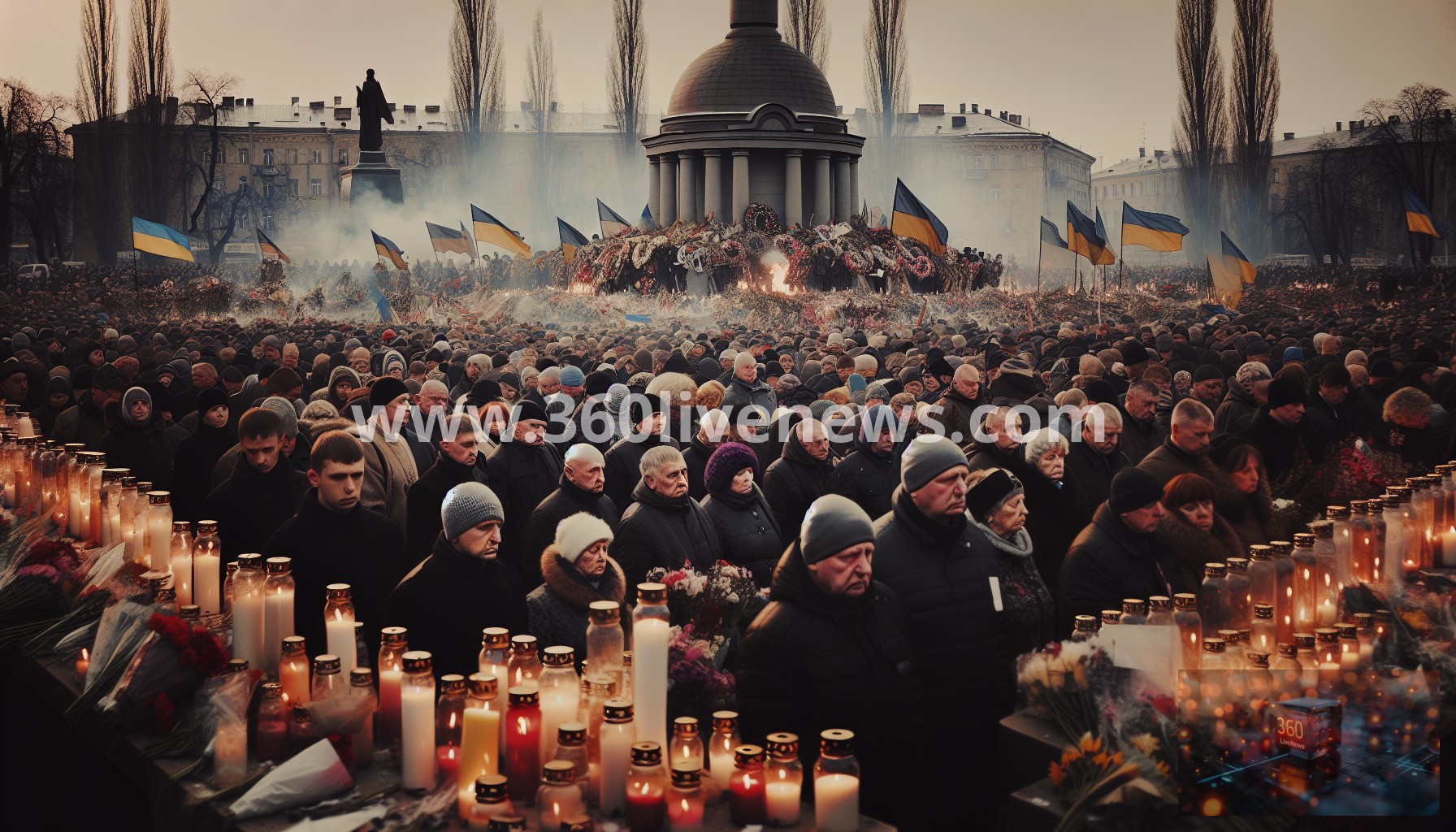
On March 31, Ukraine commemorated the fourth anniversary of the horrific Bucha massacre, in which numerous residents, including women, children, and the elderly, were ruthlessly killed by Russian military forces. As part of this solemn remembrance, a delegation of European Union foreign ministers arrived in Kyiv to honor the victims and to hold discussions on enhancing support for Ukraine in its ongoing conflict. The event is a poignant reminder of the atrocities experienced during the early stages of the war and underscores the continued importance of international solidarity with the Ukrainian state.
The Bucha massacre took place in early 2022, shortly after the onset of the conflict, when Russian troops occupied the town. Following their withdrawal, hundreds of bodies were discovered, sparking international outrage and calls for accountability. Many of these corpses were tragically found lying in the streets, a grim testament to the violence that erupted in the area. Now, four years later, the memories of those lost are vividly present, as the townspeople and officials gather to pay tribute to their struggle.
Current reports indicate that the conflict in Ukraine remains relentless, with Russia conducting continual military operations against various parts of the country despite international condemnation. The EU's commitment to supporting Ukraine during this commemoration signifies backing not only in military terms but also through humanitarian and Diplomacy" target="_blank" rel="nofollow noopener">diplomatic channels as the nation endures ongoing aggression.
The visit by EU foreign ministers to Kyiv aligns with a broader strategy to reinforce diplomatic ties within the region, especially during times of crisis. The delegation's presence is seen as both a gesture of solidarity and a stepping stone toward further discussions on practical support mechanisms and military aid. Past interactions between Ukraine and the EU have aimed at strengthening Ukraine’s integration with European political and economic structures.
Amid these developments, Russia has outright rejected proposals for an Easter truce, further escalating tensions and highlighting its determination to maintain aggressive military operations in Ukraine. This rejection is indicative of a bygone interaction style of the Kremlin, often dismissive of foreign calls for de-escalation or peace efforts. The ongoing military campaign remains a point of contention, raising critical questions about the humanitarian crisis consequences and the future resolution of the conflict.
Historically, the relationship between Ukraine and Russia has been fraught with tension, exacerbated since the annexation of Crimea in 2014. The Bucha massacre is not an isolated incident but rather part of a broader pattern of violence that has characterized the Russo-Ukrainian conflict. Diplomatic overtures have repeatedly attempted to resolve the situation; however, aggression from Russia remains a significant barrier to peace.
The EU's involvement in the Bucha remembrance underscores a pivotal moment in its foreign policy, reflecting a vested interest in the stability of Eastern Europe. The EU has consistently condemned Russian actions and has implemented various sanctions in an effort to hold the Russian government accountable for its actions in Ukraine. The continued EU support for Ukraine not only illustrates a commitment to democracy and human rights but also aims to curb Russian influence in the region.
Analysts highlight that the Bucha remembrance serves as a powerful symbol of resistance against tyranny and oppression. They argue that by commemorating such events, Ukraine and its allies reinforce their narrative of resilience and independence, aiming to galvanize further international support. There is a consensus among experts that sustained diplomatic and military assistance is crucial for Ukraine to repel ongoing aggression effectively.
The broader geopolitical implications of these actions cannot be understated. The EU's support for Ukraine and its condemnation of Russia's military actions resonate beyond the borders of Ukraine, affecting global perceptions of international law and human rights. The conflict remains a critical test of Western unity against authoritarian regimes, shaping future foreign policy decisions.
#Ukraine #Russia #BuchaMassacre #EU #InternationalSupport #Diplomacy #EasterTruce #EUForeignMinisters
