Qatar Offers to Facilitate US-Iran Negotiations Amid Escalating US-Israeli Conflict
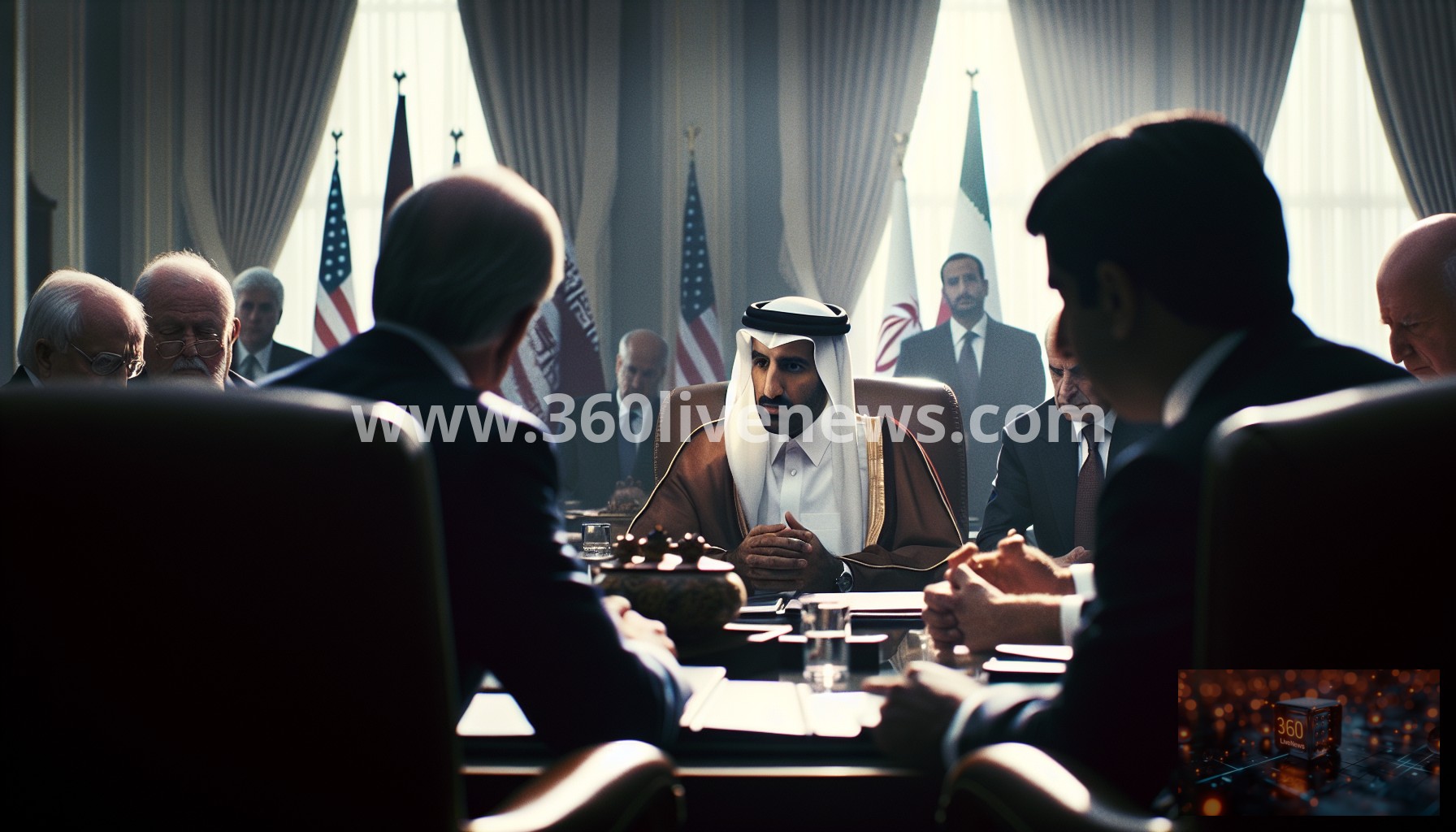
In a significant development regarding Middle Eastern geopolitics, Qatar" target="_blank" rel="nofollow noopener">Qatar's Foreign Ministry has officially stated that it is "ready to help" facilitate any ongoing negotiations between the United States and Iran amid the US-Israeli conflict. This announcement was made by spokesperson Majed al-Ansari, who emphasized Qatar's willingness to aid in reaching a resolution of the tensions that have escalated in recent weeks. This diplomatic overture comes at a time when US President Donald Trump expressed optimism surrounding potential agreements, stating he was "pretty sure" that a deal was on the verge of being struck.
The backdrop of this situation is the ongoing conflict involving the US and Israel's military actions against Iranian targets, which escalated significantly after air strikes began around the end of February. The escalation has seen Iran take responsive measures, notably by effectively blocking the critical Strait of Hormuz, a key maritime passage for oil transport. This strategic maneuver has implications for global oil supply and prices, leading to significant international economic repercussions.
As a result of these tensions and Iran's response, global oil prices have surged to new heights. The current benchmark price for Brent crude oil has reached $119 (approximately £90) per barrel, marking levels not seen since the onset of the current conflict period. The increase in oil prices has prompted several countries to respond with measures such as free bus travel initiatives in Australia and early closing times for shops and restaurants in Egypt to mitigate energy consumption.
Casualties from the ongoing conflict have not been specified in the latest statements, but previous reports have detailed casualties and escalated military engagement between the involved nations. The US-Israel air strikes have led to heightened concerns about regional security and economic stability, particularly affecting trade routes and oil supply security, which are critical components of global economy.
The international community is closely watching Qatar's involvement. Historically, Qatar has played a mediating role in various regional disputes, leveraging its unique position as a member of the Gulf Cooperation Council and its relationships with both the US and Iran. This diplomatic stance could play a significant part in the unfolding dynamics, particularly as tensions mount and stakeholders seek to stabilize the situation.
The importance of oil not only as a commodity but as a strategic asset has never been more pronounced. The blockage of the Strait of Hormuz by Iran significantly raises fears of escalating prices further, which can affect global markets and economies that are heavily reliant on oil imports. Already, rising prices have sparked policy responses from various governments to curb consumption, reflecting the interconnectedness of energy policy and economic stability.
The situation carries significant implications not only for energy-producing nations and their economies but also for the stability of global markets, particularly under the constraints of geopolitical tensions. The ripple effects of these developments are likely to be felt far beyond the Middle East, impacting international relations and energy policies across the globe.
As events continue to unfold with Qatar now actively seeking to mediate, it raises critical questions about the effectiveness of diplomacy in mitigating conflicts in the region. The international community is poised to respond to any developments arising from these negotiations or further escalations that might unfold as the situation continues to evolve.
The ongoing conflict highlights persistent geopolitical fractures with longstanding implications. The reactions of the global community, particularly major powers and oil-dependent nations, will be crucial in shaping both the short-term dynamics on energy prices and the longer-term pathways toward resolution and stability in the region.
#Iran #Qatar #Negotiations #OilPrices #StraitOfHormuz #MiddleEast #USIsraelConflict #Diplomacy
