Philippines and Iran Discuss Cooperation on Vessel Passage Through Strait of Hormuz
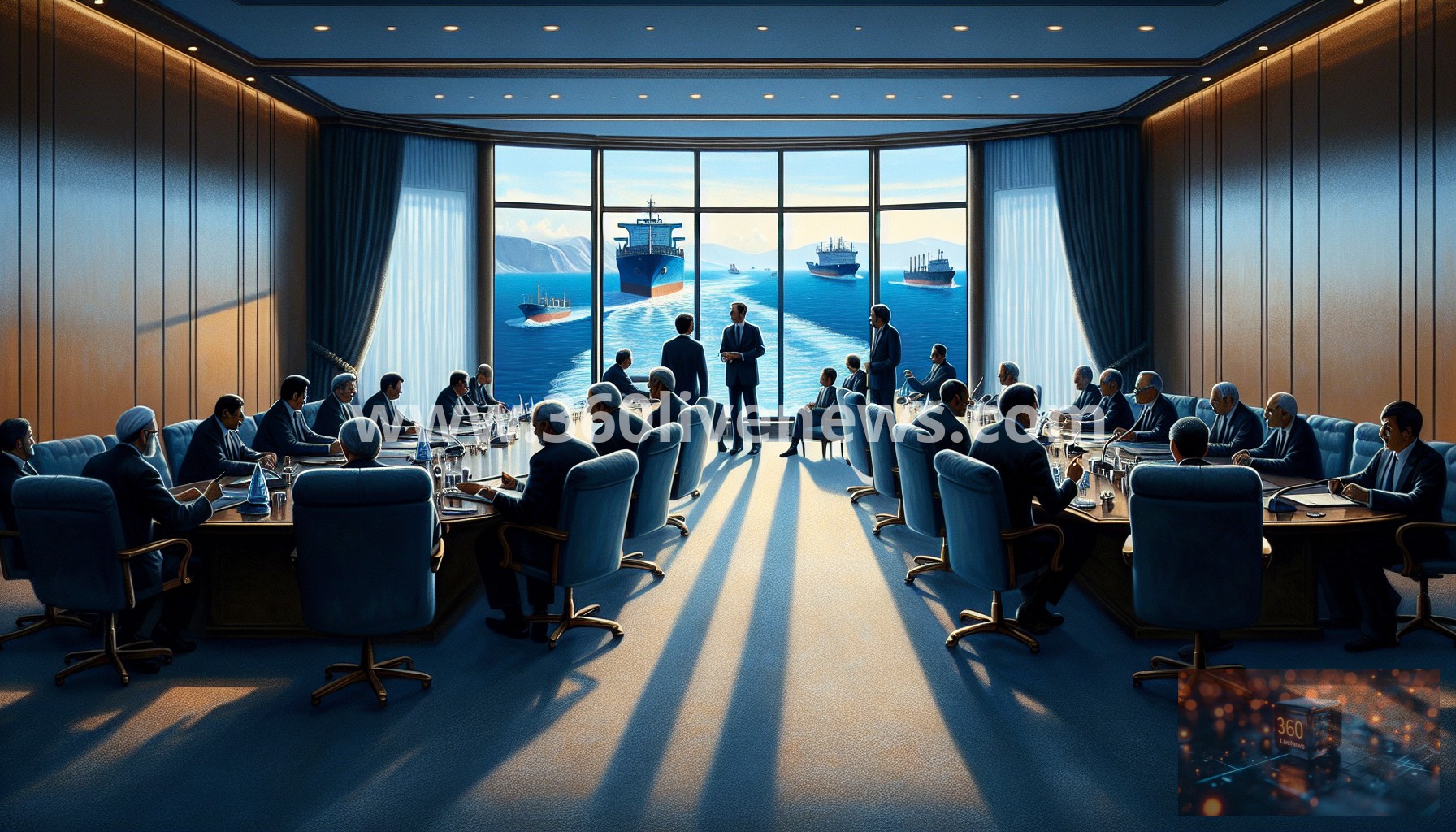
Philippine officials have initiated discussions with their Iranian counterparts regarding potential pathways for cooperation, particularly focused on securing safe passage for vessels through the critically important Strait of Hormuz, which Iran currently has under blockade. This dialogue commenced on April 1, when Philippine Foreign Affairs Secretary Theresa Lazaro and Energy Secretary Sharon Garin met with Iran's Ambassador to the Philippines, Yousef Esmaeilzadeh.
During her meeting, Secretary Lazaro expressed the commitment to advance bilateral ties, emphasizing the importance of energy cooperation between the two nations. In a social media update, she stated, "We discussed key avenues for cooperation. Building on the momentum of our Political Consultations last November, we are committed to deepening our cooperation across all fronts, particularly energy cooperation."
The impetus for these discussions arises amid significant maritime disruptions caused by Iran's blockade of the Strait of Hormuz, one of the world’s most vital maritime corridors. This strategic chokepoint sees around a third of global oil shipments, making its accessibility crucial for international energy markets and economies. Currently, approximately 2,000 vessels remain stranded as Iran blocks all but a few ships deemed "friendly," significantly impacting global energy flows and raising the urgency of negotiations between the Philippines and Iran.
In a broader context, efforts have emerged from neighboring countries such as China and Pakistan to address the ongoing crisis stemming from Iran's isolation and to restore stability to the region's energy infrastructure. Following a recent meeting on March 31, 2023, in Beijing between Chinese Foreign Minister Wang Yi and Pakistani Foreign Minister Ishaq Dar, a collaborative initiative was proposed to address the challenges posed by Iran's blockade. The discussions emphasized an immediate cessation of hostilities and a prompt initiation of peace talks, indicating a concerted diplomatic effort from regional allies.
This context surrounding the ongoing tensions illustrates a shift in diplomatic dynamics in the Middle East as traditional power balances evolve. Analysts have noted the strain on the longstanding U.S.-led security framework, suggesting that regional players are beginning to take the helm in resolving conflicts that could potentially destabilize the post-war order in the area.
Furthermore, the Philippines' engagement with Iran underscores the heightened necessity for nations reliant on maritime trade to establish bilateral relations that can help navigate the complexities of security and energy procurement in vulnerable regions. While Philippine officials advocate for stronger ties with Iran, they must also balance these relations with pressures from other influential nations concerned about maritime security and energy stability.
This development also holds significant implications for regional energy strategies. With the complexities of international sanctions against Iran and its relationship with various global powers,including the United States,any agreements reached could either bolster Iran’s position within the regional energy markets or exacerbate existing geopolitical tensions. Observers are cautious, noting that the Philippines must tread carefully to maintain a neutral stance while fostering business opportunities in a politically charged environment.
The ongoing discussions are critical not only for resolving immediate shipping concerns but also for paving the way for long-term energy partnerships in the region. As the Philippines looks to safeguard its interests amid the precarious situation surrounding the Strait of Hormuz, its foreign policy initiatives are under close scrutiny, particularly regarding how they may align or conflict with broader international efforts to stabilize energy supplies and resolve tensions exacerbated by Iran’s actions.
As events continue to unfold, analysts stress the importance of maintaining open channels of communication between the affected countries, particularly as Iran’s blockade persists and the risk of further maritime conflict remains high. The outcome of these discussions may have lasting ramifications, both for Philippine foreign policy and for the critical energy landscape of the Middle East.
#Philippines #Iran #MaritimeSecurity #EnergyCrisis #Diplomacy #StraitOfHormuz #GlobalEnergy #China #Pakistan #EnergyCooperation #ForeignRelations #InternationalAffairs #MiddleEast #USForeignPolicy
