Over one million people flee violence in Lebanon amid Israeli air strikes and ground invasion
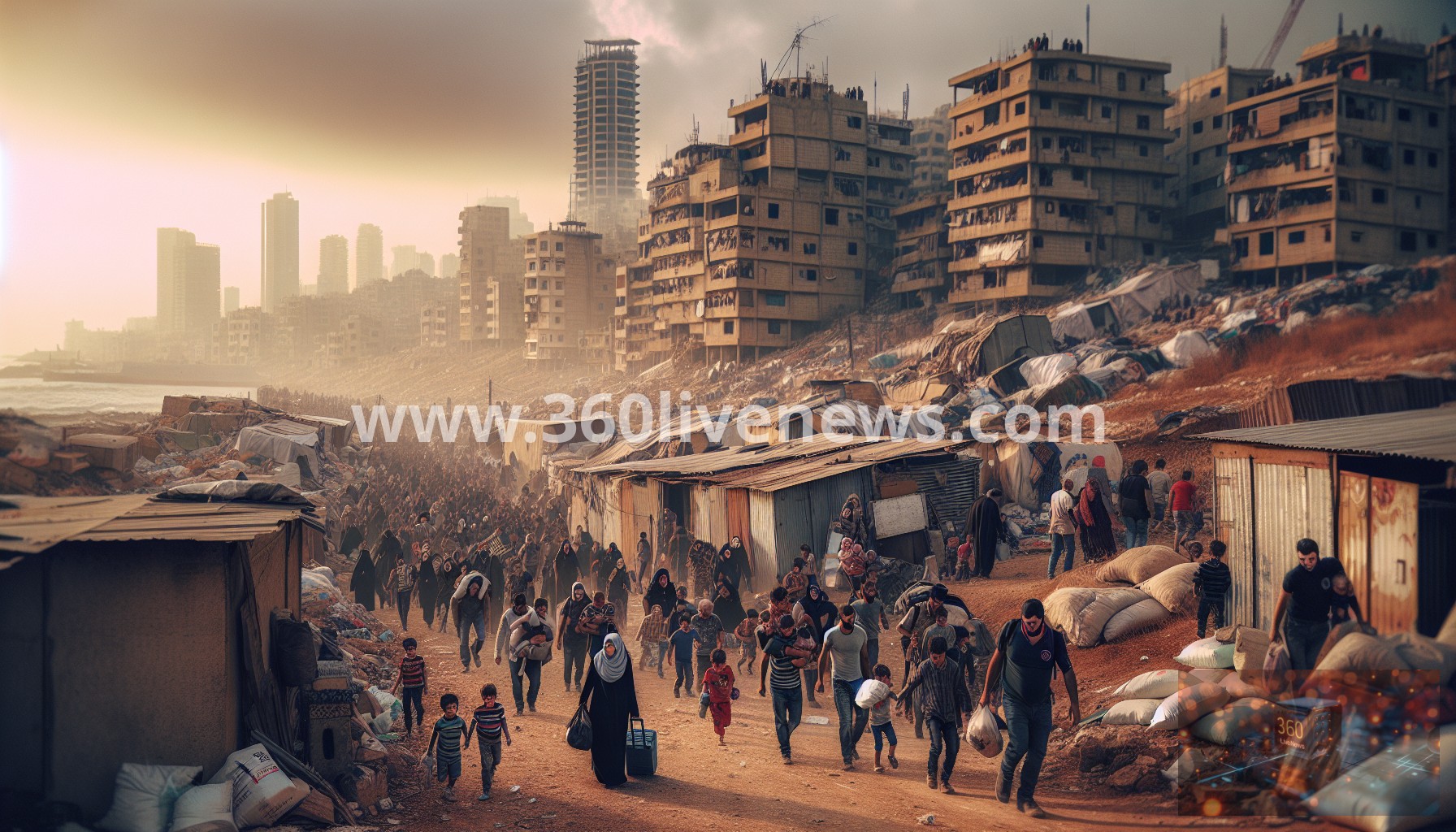
The humanitarian situation in Lebanon has reached alarming levels as reports indicate that more than one million people are fleeing the violence stemming from Israeli air strikes and an expanding ground invasion in southern Lebanon. This development marks a significant escalation in an already fraught context of regional tensions involving Israel and militant groups. The United Nations has described the crisis as a cycle of "coercive displacement," highlighting the dire circumstances faced by those seeking refuge within Lebanon's borders.
As the conflict continues, a surge in displacement is evident, particularly in urban centers like Beirut. Displaced individuals are reportedly struggling to find adequate shelter, food, and medical assistance as the influx of refugees overwhelms local resources. The UN has expressed serious concerns regarding the long-term implications of this displacement, not just for Lebanon but for the broader Middle Eastern region, indicating critical shortages in humanitarian relief efforts and infrastructural support.
In Beirut, local reports from journalists on the ground, such as Al Jazeera correspondent Heidi Pett, provide insight into the immediate challenges faced by the displaced populations. Shelters are insufficient, and many individuals find themselves living in makeshift conditions, adding to their vulnerability. The UN's warning suggests that this situation could lead to further destabilization in Lebanon, a country that has experienced significant political and economic turmoil in recent years.
The backdrop of this humanitarian crisis is set against the historical context of Lebanese-Israeli relations, which have been strained for decades due to past conflicts stemming from territorial disputes and the impact of militant groups operating in the region. The ongoing hostilities have not only exacerbated existing grievances but have also impeded humanitarian access and relief efforts within Lebanon, further complicating the crisis.
International actors and organizations have begun to react to the widening crisis. Various humanitarian NGOs are mobilizing resources to support the displaced, though they face challenges such as funding limitations and security risks while providing aid. Moreover, the crisis implicates regional dynamics, particularly regarding involvement from neighboring countries and global powers, influencing how international aid is deployed in Lebanon.
Simultaneously, the Israeli government has emphasized the necessity of its operations in southern Lebanon to safeguard its national security against perceived threats. As airstrikes continue, the civilian toll rises, prompting international human rights organizations to call for an immediate ceasefire and dialogues to address the violence. The cycle of retaliation between Hezbollah and Israel also plays into this tense environment, raising the stakes for civilian safety.
Beyond the immediate humanitarian implications, this crisis intersects with macro geopolitical concerns, particularly regarding energy supply routes and security alignments in the region. The events in Lebanon have potential implications for political stability in neighboring countries, such as Syria and Jordan, which are already coping with their own challenges related to displacement and conflict.
Given these variables, it is crucial for international stakeholders, including the United Nations and governmental entities, to coordinate an effective response. Humanitarian aid efforts must be streamlined to ensure that displaced individuals receive adequate support while also addressing long-term stability in Lebanon. This situation commands global attention as it highlights the intricate interplay of local conflicts and broader geopolitical strategies in the Middle East.
In light of these developments, Lebanon's ongoing crisis requires a concerted effort from both local and international communities to mitigate the humanitarian fallout. As military actions escalate and the number of displaced persons continues to grow, the urgency for diplomatic channels and humanitarian support becomes ever clearer, emphasizing the need for systemic solutions to prevent further suffering among vulnerable populations.
#Lebanon #displacement #humanitariancrisis #Israel #UN #Hezbollah #refugees #airstrikes #middleeast #humanrights #NGOs #civiliansafety #IsraelLebanonConflict
