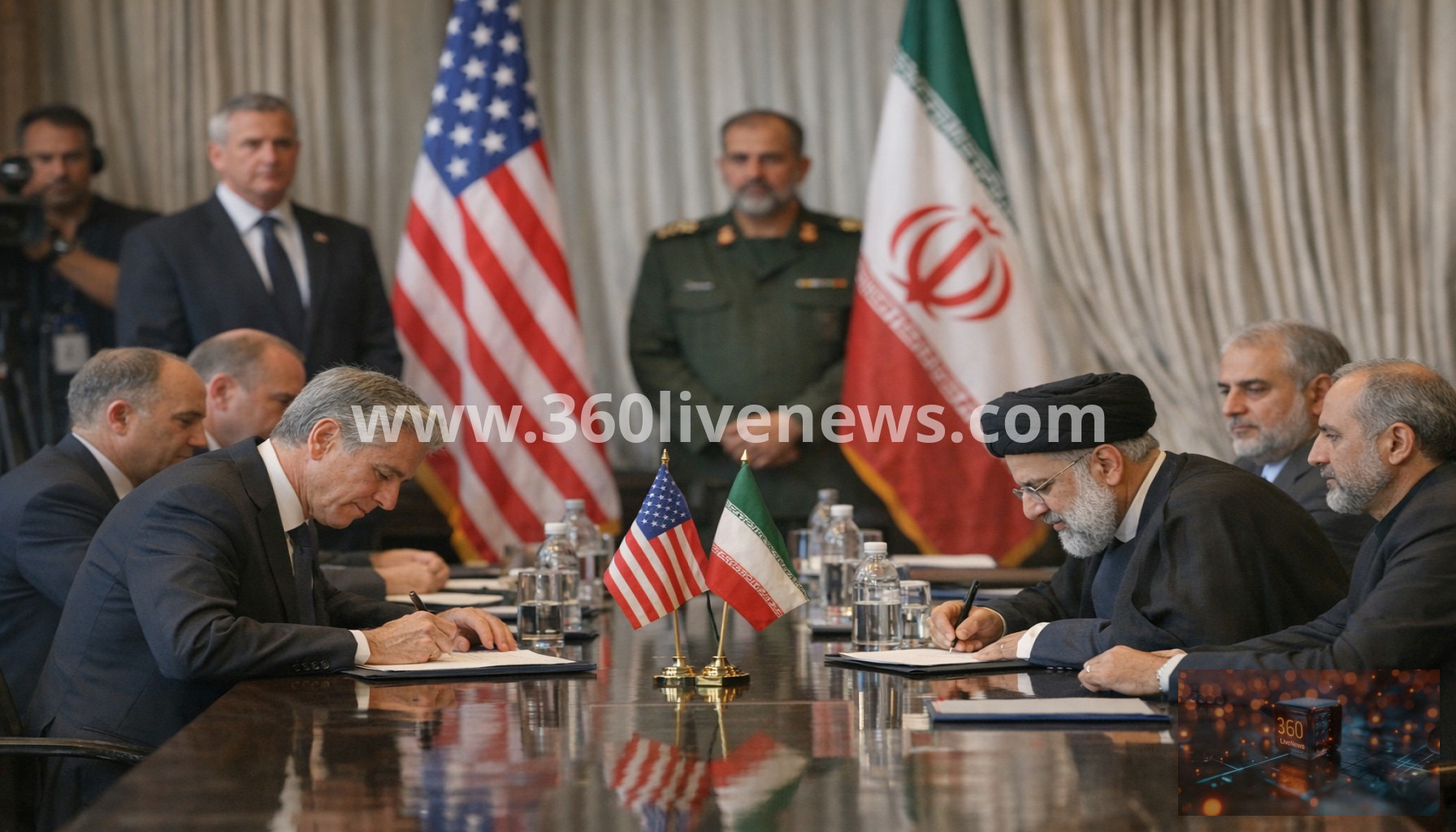

Ceasefire between the United States and Iran highlights shifting regional power dynamics in the Middle East
Recent developments have brought a fragile ceasefire between the United States and Iran into focus, marking a significant pause in hostilities that have raged for weeks. The outcome of these tensions has not only heightened the stakes in the Middle East but has also sidelined Israel's strategic objectives, leading to a complex interplay of regional power dynamics. U.S. President Donald Trump's administration has faced criticism for its handling of the situation, particularly regarding contradictory statements that have left many confused about the future of the Strait of Hormuz, the world's most crucial oil shipping lane. On 9 April, a press... [Continue Reading]
 360LiveNews | 09 Apr 2026 19:22


Democratic Lawmakers Urge Restraint on Israeli Airstrikes Amid Concerns Over Regional Tensions and US-Iran Ceasefire
A growing chorus of Democratic lawmakers in the United States have vocally condemned the recent wave of Israeli airstrikes in Lebanon, calling for restraint and warning that America's alliance with Israel should not come at the cost of escalating regional tensions. The concerns emerge in light of a fragile ceasefire between the United States and Iran that could be threatened by continued military action. In a series of social media posts and formal statements, these lawmakers emphasize the need for President Donald Trump to intervene and apply pressure on Israeli Prime Minister Benjamin Netanyahu. The situation has escalated dramatically following... [Continue Reading]
360LiveNews | 09 Apr 2026 19:08
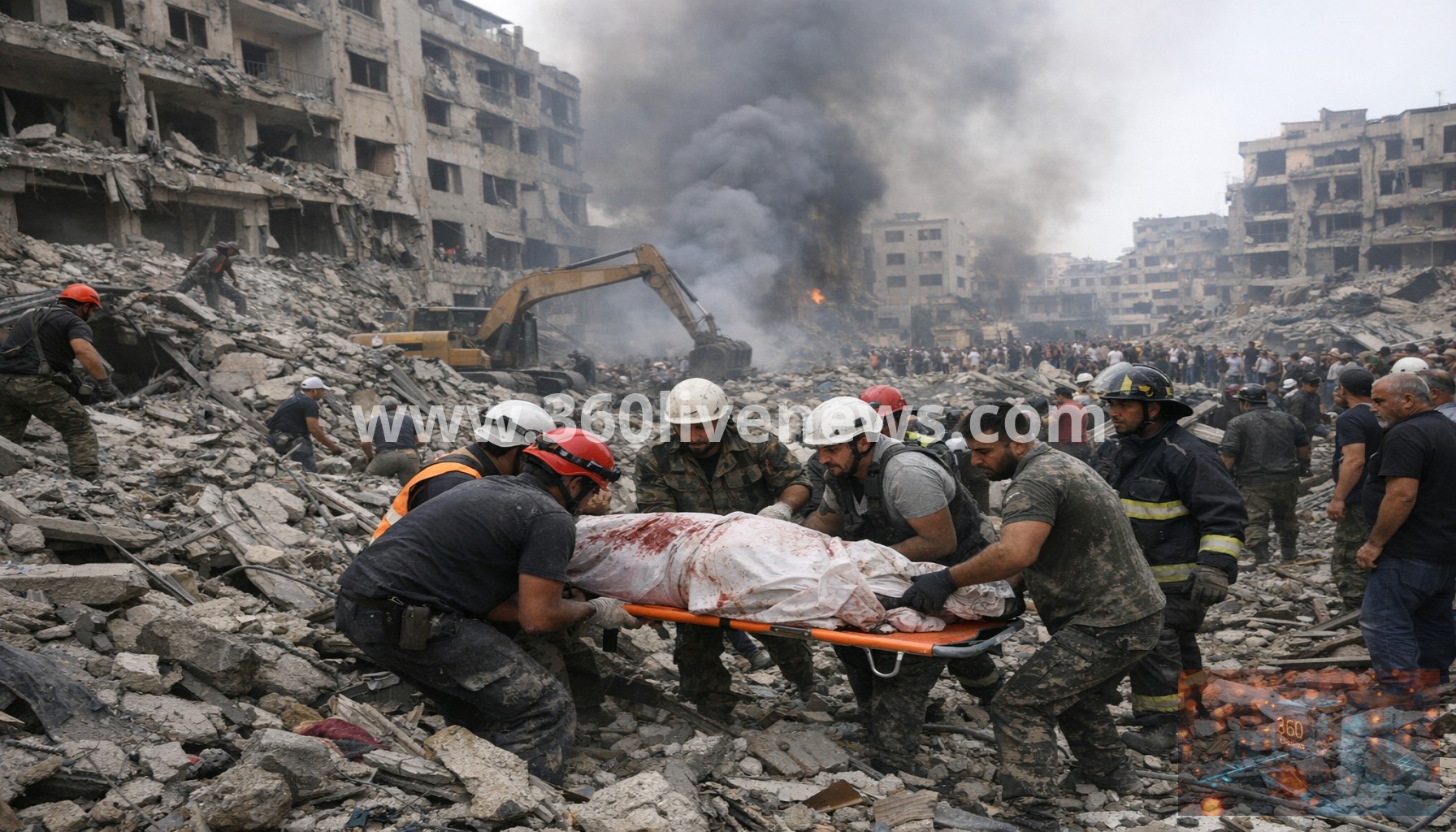

Israeli airstrikes in Lebanon kill over 200 people, marking the largest offensive against Hezbollah amid ongoing conflict
In a striking escalation of violence, Israeli airstrikes on Lebanon have reportedly killed more than 200 people, primarily targeting densely populated residential areas. This offensive occurred shortly after a ceasefire agreement between the United States and Iran was announced. The unprecedented scale of the attacks, described as the largest against Hezbollah during the ongoing conflict, has drawn widespread condemnation from numerous international humanitarian organizations, including the International Committee of the Red Cross. Israeli Prime Minister Benjamin Netanyahu defended the strikes, asserting that Lebanon was not under the purview of the US-Iran ceasefire agreement. He stated that the Israeli military would... [Continue Reading]
360LiveNews | 09 Apr 2026 14:09


Netanyahu asserts Israel is ready to confront Iran despite truce between Tehran and Washington
Israeli Prime Minister Benjamin Netanyahu stated on Wednesday that Israel is prepared to confront Iran at any moment, despite a truce established between Tehran and Washington. In a televised statement, Netanyahu asserted, "Let me be clear: We still have objectives to complete and we will achieve them, either through agreement or through renewed fighting." He emphasized that Israel's readiness for combat remains strong, declaring, "Our finger remains on the trigger." Netanyahu's remarks come amidst ongoing tensions, particularly following recent strikes in Lebanon. According to Lebanon's civil defense service, these military actions resulted in the deaths of 254 individuals. Netanyahu's commitment... [Continue Reading]
360LiveNews | 08 Apr 2026 20:09

Israeli military conducts air strikes in southern Lebanon amid ongoing conflict with Hezbollah
The Israeli military has intensified its operations in southern Lebanon, executing a series of air strikes on Wednesday morning. This development occurs just hours after a ceasefire agreement was reached between the United States and Iran, signaling that Israel does not consider this deal applicable to its ongoing conflict with Hezbollah, the Iranian-backed militant group. The strikes primarily targeted regions including Tyre and Nabatieh, areas known for their significant Hezbollah presence, which has been under military pressure as fighting escalates. The timing of the air strikes suggests a deliberate defiance on Israel's part, as Prime Minister Benjamin Netanyahu's office dismissed... [Continue Reading]
360LiveNews | 08 Apr 2026 11:14


US and Iran agree to conditional two-week ceasefire amid escalating military tensions in the Middle East
The United States and Iran have struck a conditional two-week ceasefire agreement, following a period of intense military escalation that threatened wider conflict in the Middle East. The truce was established just before the deadline set by US President Donald Trump to initiate bombing on Iranian facilities, which would have included attacks on power plants and bridges. This agreement is a significant step in diplomatic efforts to address longstanding tensions between the two nations. The ceasefire, agreed on April 8, was facilitated by diplomatic interventions from Pakistan, which played a crucial role in averting immediate military action. The framework for... [Continue Reading]
360LiveNews | 08 Apr 2026 11:09


Israeli military to continue operations in Lebanon despite ceasefire announcement by Trump
The Israeli military has confirmed it will persist with its operations in Lebanon, disregarding a recent ceasefire proclamation made by Donald Trump. The situation escalated following an official statement from Israeli authorities indicating that military action against Hezbollah in southern Lebanon will continue, despite claims from involved countries that a comprehensive ceasefire had been reached. According to reports from the Israeli government, operations in Lebanon diverge significantly from Trump's broader ceasefire agreement, which was purportedly brokered with assistance from Pakistan and Iran. Israeli Prime Minister Benjamin Netanyahu's office emphasized that their military campaign specifically targeting Hezbollah does not fall under... [Continue Reading]
360LiveNews | 08 Apr 2026 09:13


Iran and the US agree to a conditional two-week ceasefire ahead of peace negotiations in Islamabad
Following a turbulent period marked by escalating hostilities, Iran and the United States have agreed to a conditional two-week ceasefire. This significant breakthrough was announced early Wednesday, just hours ahead of a deadline set by US President Donald Trump, who had previously threatened severe repercussions if diplomatic efforts failed to yield results. The ceasefire allows for peace negotiations which are expected to commence in Islamabad, Pakistan, on Friday. The agreement includes provisions for safe passage through the critical Strait of Hormuz, through which approximately 20 percent of the globe's oil reserves transit. Iran's Foreign Minister confirmed that the ceasefire would... [Continue Reading]
360LiveNews | 08 Apr 2026 09:10


US and Iran agree to two-week ceasefire ahead of critical deadline set by President Trump
The United States and Iran have reached an agreement on a two-week ceasefire that was announced late on Tuesday. This development comes just before a critical deadline imposed by US President Donald Trump, who had warned Tehran of severe consequences should they fail to respond to diplomatic overtures. In a statement on X, Israeli Prime Minister Benjamin Netanyahu expressed his office's support for the US decision to suspend hostilities against Iran but made it clear that this two-week truce does not extend to Lebanon. Netanyahu emphasized that Israel remains resolute in its position that Iranian threats, particularly regarding nuclear capabilities,... [Continue Reading]
360LiveNews | 08 Apr 2026 04:09
US and Israel escalate military offensive against Iran, targeting military and civilian infrastructure since February 28
In a dramatic escalation of military tensions, the United States and Israel continue their offensive against Iran, which commenced on February 28. This campaign, described as illegal by Iranian officials, has involved a series of airstrikes that target not only military installations but also civilian infrastructure across Iran, including residential buildings, universities, and hospitals. Reports indicate that these strikes have caused panic among the Iranian populace, reminiscent of the Iran-Iraq war that occurred from 1980 to 1988. The Iranian government claims responsibility for downing a US F-15 fighter jet, which is believed to have crashed over Iran during the ongoing... [Continue Reading]
360LiveNews | 04 Apr 2026 18:13
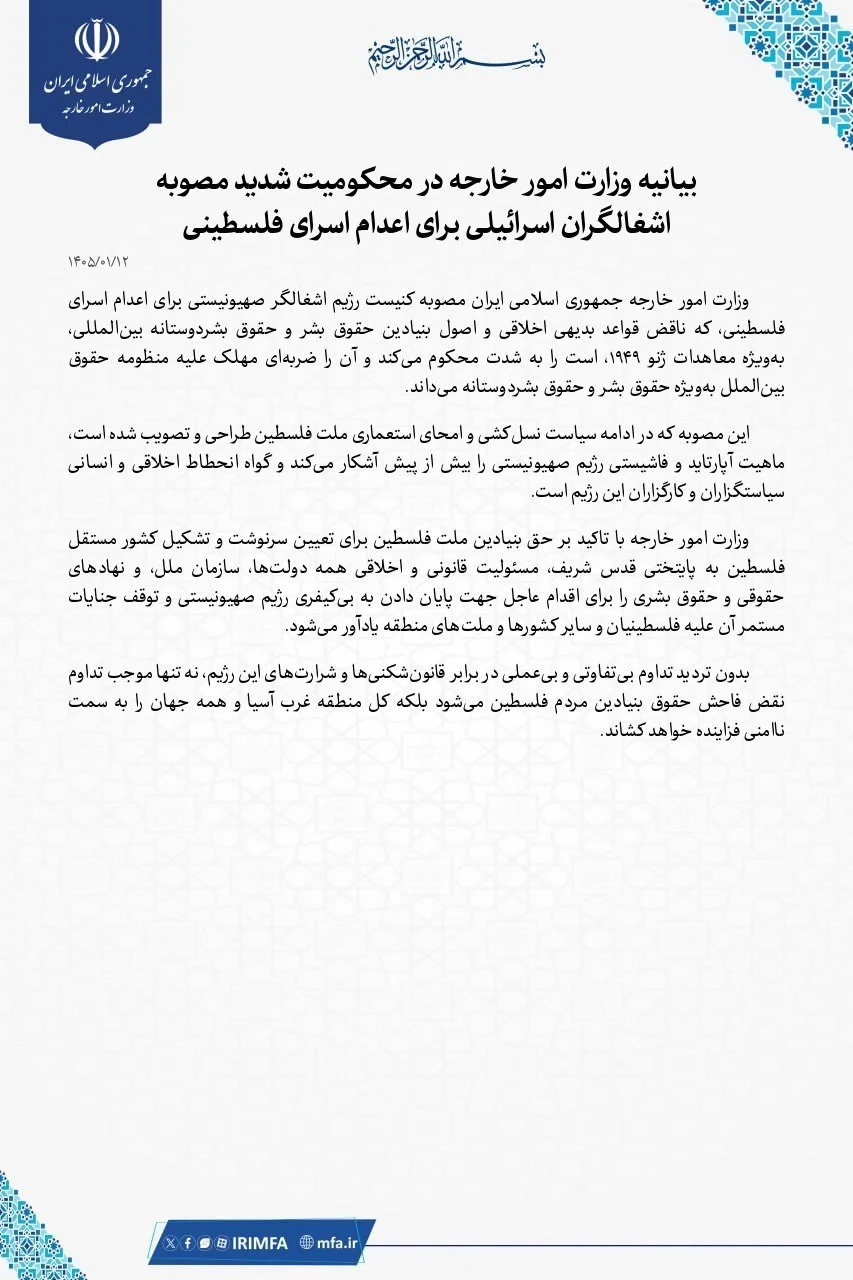
Iran Condemns Israeli Law Allowing Execution of Palestinian Prisoners
The Iranian government has strongly condemned the passage of a new law in the Israeli Knesset that allows for the execution of Palestinian prisoners. Tehran views the legislation as a brutal and unlawful act targeting Palestinian detainees, framing it as part of a systematic effort by Israel to repress and intimidate the Palestinian population. Iran’s Foreign Ministry accused Israeli Prime Minister Benjamin Netanyahu’s government of using the law to legitimize acts of hostility and revenge against Palestinians. The announcement highlighted the law as a continuation of a series of discriminatory policies, including the controversial Jewish Nation-State Law, which have exacerbated... [Continue Reading]
360LiveNews | 04 Apr 2026 09:21
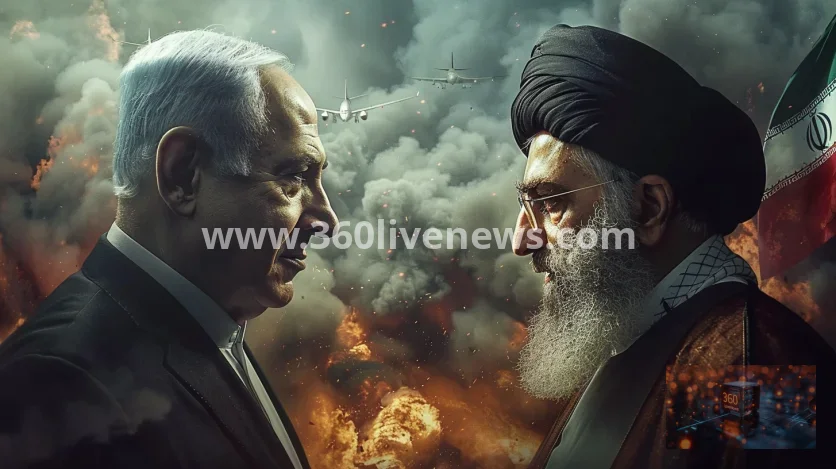
The Madness of Power, From Balfour to the Edge of World War Three
A Voice in the Wilderness of War: Who Still Dares to Speak Truth While Empires March There are moments in history when the world suddenly accelerates toward disaster, moments when anyone who has studied history can feel the temperature rising even before the explosions reach their peak. The current escalation in the Middle East is one of those moments. According to the facts we now see unfolding, the United States and Israel made the unilateral decision to attack Iran without the approval of the United Nations, without a global coalition mandate, and without the support of most of the international... [Continue Reading]
360LiveNews | 06 Mar 2026 17:20