US and Iran agree to conditional two-week ceasefire amid escalating military tensions in the Middle East
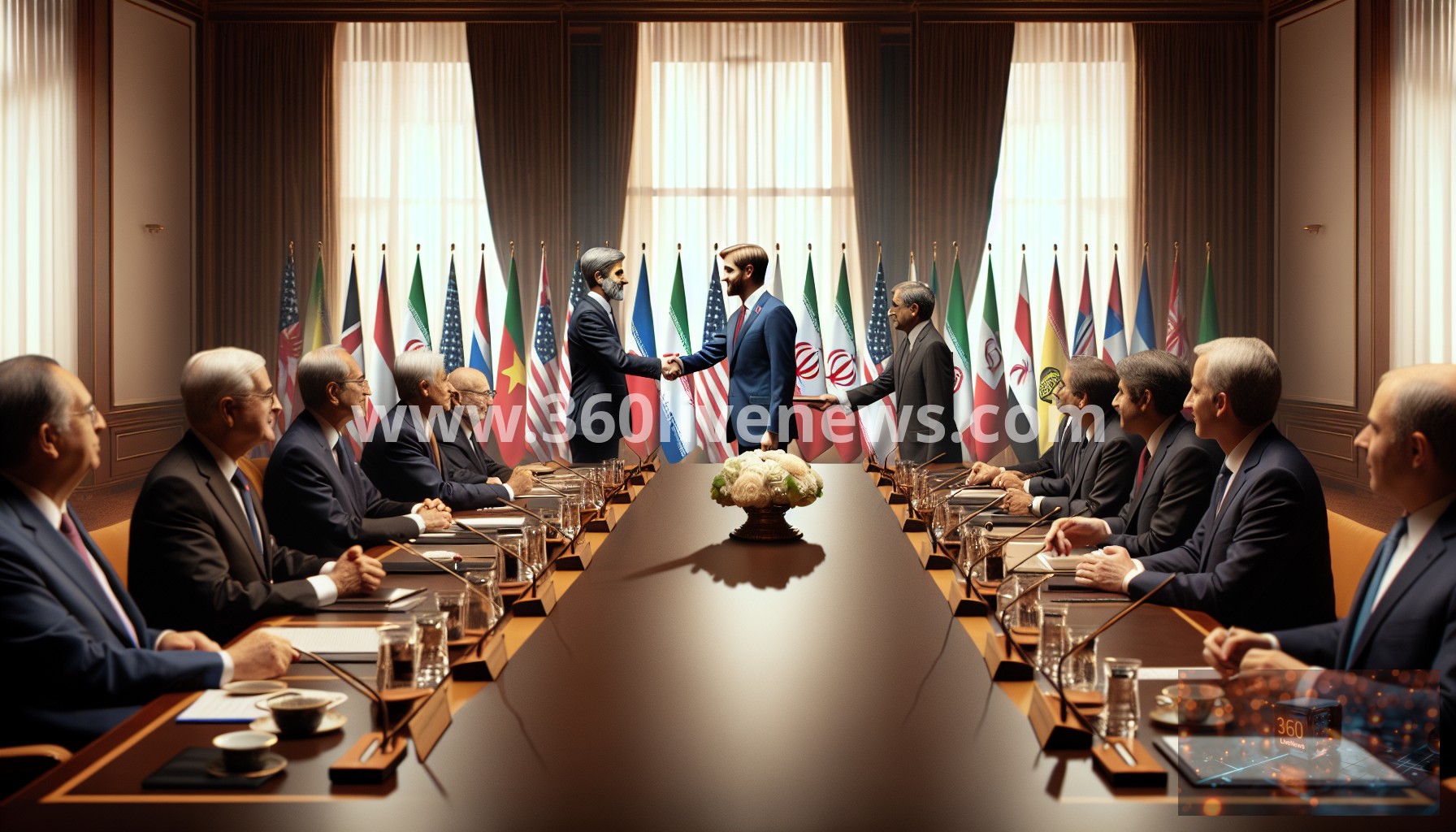
The United States and Iran have struck a conditional two-week ceasefire agreement, following a period of intense military escalation that threatened wider conflict in the Middle East. The truce was established just before the deadline set by US President Donald Trump to initiate bombing on Iranian facilities, which would have included attacks on power plants and bridges. This agreement is a significant step in diplomatic efforts to address longstanding tensions between the two nations.
The ceasefire, agreed on April 8, was facilitated by diplomatic interventions from Pakistan, which played a crucial role in averting immediate military action. The framework for the ceasefire includes a temporary reopening of the strategically vital Strait of Hormuz, a critical passage for global oil shipments. This comes after growing concerns over heightened military confrontations that had raised alarms in global markets and geopolitical circles.
Following the announcement, both sides appeared to claim victory after a month-long period of conflict. Reports emerging from Tehran and Washington suggested a sense of relief, although both governments provided conflicting narratives about the negotiations. Iran had initially proposed a ten-point plan as a basis for future discussions, yet confusion arose when different versions of this plan circulated, most notably a Farsi version that included a statement on accepting enrichment for its nuclear program, which was not present in the English translation shared with journalists.
The framework proposed by the United States reportedly incorporates a more extensive set of proposals than Iran’s initial offering. President Trump indicated a new 15-point proposal for talks, revealing the complexity and competing interests underlying the ceasefire negotiations. Such discrepancies in communication raise questions about the sincerity of the truce and the future of negotiations, highlighting an ongoing challenge in international diplomatic efforts in this area.
Geopolitically, this ceasefire carries significant implications. It was marked by Israel’s reaction; Prime Minister Benjamin Netanyahu expressed support for the US ceasefire, but clarified that the agreement does not extend to Israel's ongoing military operations against Hezbollah in Lebanon. Israeli airstrikes have reportedly resulted in more than 1,500 casualties in Lebanon, signalling that regional tensions may continue despite the US-Iran agreement.
Moreover, the ceasefire is seen as a pivotal moment for US foreign policy under Trump. The administration's initially aggressive posture required a reevaluation in light of escalating violence and potential ramifications for US interests in the region. The conditional nature of the ceasefire, particularly noted for its short duration, reflects both the urgency and fragility of the agreement as external pressures mount on both Tehran and Washington.
This incident is set against a backdrop of ongoing conflict involving Iran's nuclear ambitions, prolonged tensions with Israel, and its relationships within the broader Arab world. Speculation persists within global diplomatic circles regarding the viability of any long-term solutions, as previous agreements have often been marred by lack of trust and punitive actions following negotiations. The commitment to a ceasefire, albeit temporary, indicates a momentary pause in hostility, but the fundamental disputes remain unaddressed.
Experts warn that while the ceasefire might reduce immediate tensions, it does not resolve the underlying issues, including Iran's nuclear program and its support for militant groups like Hezbollah. There is also a critical view on whether diplomatic channels will create a sustainable peace framework or merely provide a respite in a volatile region plagued by conflict.
As the situation unfolds, the international community is closely monitoring developments in the Gulf region, assessing the implications of this ceasefire on future negotiations and regional stability. Political analysts suggest that both Iran and the US will need to navigate complex domestic and international pressures as they engage in the next phase of talks that this ceasefire opens up, with skepticism around both sides' willingness to fully comply with the terms outlined.
#Iran #UnitedStates #Ceasefire #Horn_of_Africa #Strait_of_Hormuz #diplomacy #Israel #Hezbollah #Pakistan #Trump #Netanyahu #middleeast #nuclear
