Ceasefire between the United States and Iran highlights shifting regional power dynamics in the Middle East
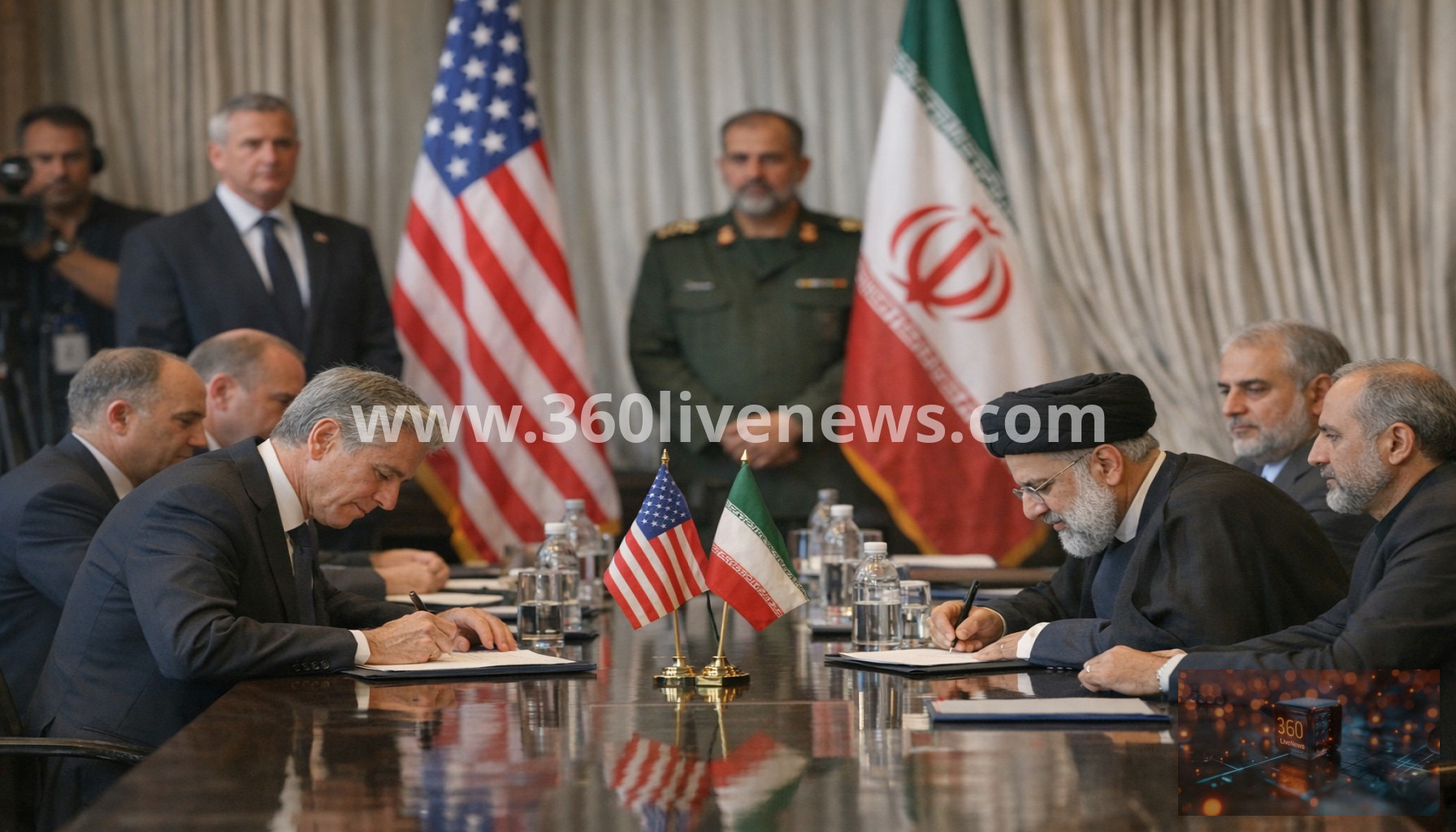
Recent developments have brought a fragile ceasefire between the United States and Iran into focus, marking a significant pause in hostilities that have raged for weeks. The outcome of these tensions has not only heightened the stakes in the Middle East but has also sidelined Israel's strategic objectives, leading to a complex interplay of regional power dynamics. U.S. President Donald Trump's administration has faced criticism for its handling of the situation, particularly regarding contradictory statements that have left many confused about the future of the Strait of Hormuz, the world's most crucial oil shipping lane.
On 9 April, a press conference featured White House spokespersons expressing optimism about the reopening of the Strait of Hormuz, which had been at the heart of brewing tensions. However, the spokesperson's subsequent call for Iran to reopen the shipping lane signaled a discrepancy in the administration's messaging, which has sparked further confusion within market dynamics. Oil prices, having previously fallen, surged back above $100 per barrel following this barrage of conflicting statements. These fluctuations serve as a reminder of the global economic implications at stake, particularly considering the history of oil market instability associated with geopolitical conflicts, primarily involving major oil producers, such as Saudi Arabia and Russia.
A critical dimension of this ceasefire revolves around Israeli Prime Minister Benjamin Netanyahu, who has long championed military action against Iran. With Israel's strategic goals in disarray and its military actions against Iranian interests yielding little success, Netanyahu now finds himself under considerable pressure from both domestic critics and the U.S. government to pivot towards diplomacy, particularly with Lebanon. This shift, prompted by Washington's insistence on peace talks, underscores the United States' current role in attempting to mediate tensions in the region, an aspect that highlights its longstanding geopolitical interests.
The context of this ceasefire extends beyond immediate military terms and speaks to a broader set of diplomatic challenges and issues related to energy security. For nearly six weeks, hostilities have filled the headlines: cyber attacks, military engagements, and accusations of international law violations have contributed to a heated atmosphere as both sides declare victories without yielding substantial ground. Former Secretary of State Mike Pompeo's recent statements further emphasize the complexity, reinforcing the narrative that external pressures, such as sanctions, may not yield the anticipated results in terms of curtailing Iran's nuclear ambitions.
The response from various actors in this conflict is telling. U.S. lawmakers have expressed concerns regarding Trump's approach, particularly in balancing foreign policy with domestic interests. Critiques point to potential conflicts of interest, as Trump's cabinet grapples with accusations related to the intertwining of national and personal economic gains amidst escalating tensions in the oil market. As this situation continues to evolve, major oil conglomerates and hedge funds are watching closely, ready to exploit any shifts that might favor their financial investments.
Moreover, the humanitarian aspect of this ongoing conflict cannot be overlooked. Civilian casualties and evictions in affected regions compound the crisis, exacerbating already difficult living conditions for many. Official government reports indicate that the conflict has resulted in numerous casualties, with military operations significantly impacting local populations. As diplomatic talks emerge, ensuring the safety and rights of civilians remains a pressing challenge for both the U.S. and Iranian officials.
This ceasefire, albeit tenuous, poses significant questions about the future of U.S.-Iran relations, Israeli security, and the broader implications for Middle Eastern geopolitics. If history teaches us anything, the fragility of such agreements often leads to further discontent and conflict. Therefore, this period of relative calm should be approached with caution as all players navigate a path fraught with complexities and potential pitfalls.
In light of these recent developments, the focus on Israel's shifting strategy amid a lack of consensus with both the U.S. and Iran will be critical. With public sentiment in Israel increasingly wary of Netanyahu's military strategies, the Prime Minister's acceptance of peace talks with Lebanon marks a pivotal moment not just for Israeli-Palestinian relations but for regional stability at large. Observers will be watching closely, as failure to adhere to the ceasefire or further aggression could reset the current dynamic, leading to more severe consequences for regional stability and international relations.
#Iran #USA #Israel #StraitOfHormuz #BenjaminNetanyahu #OilPrices #MiddleEastConflict #PeaceTalks