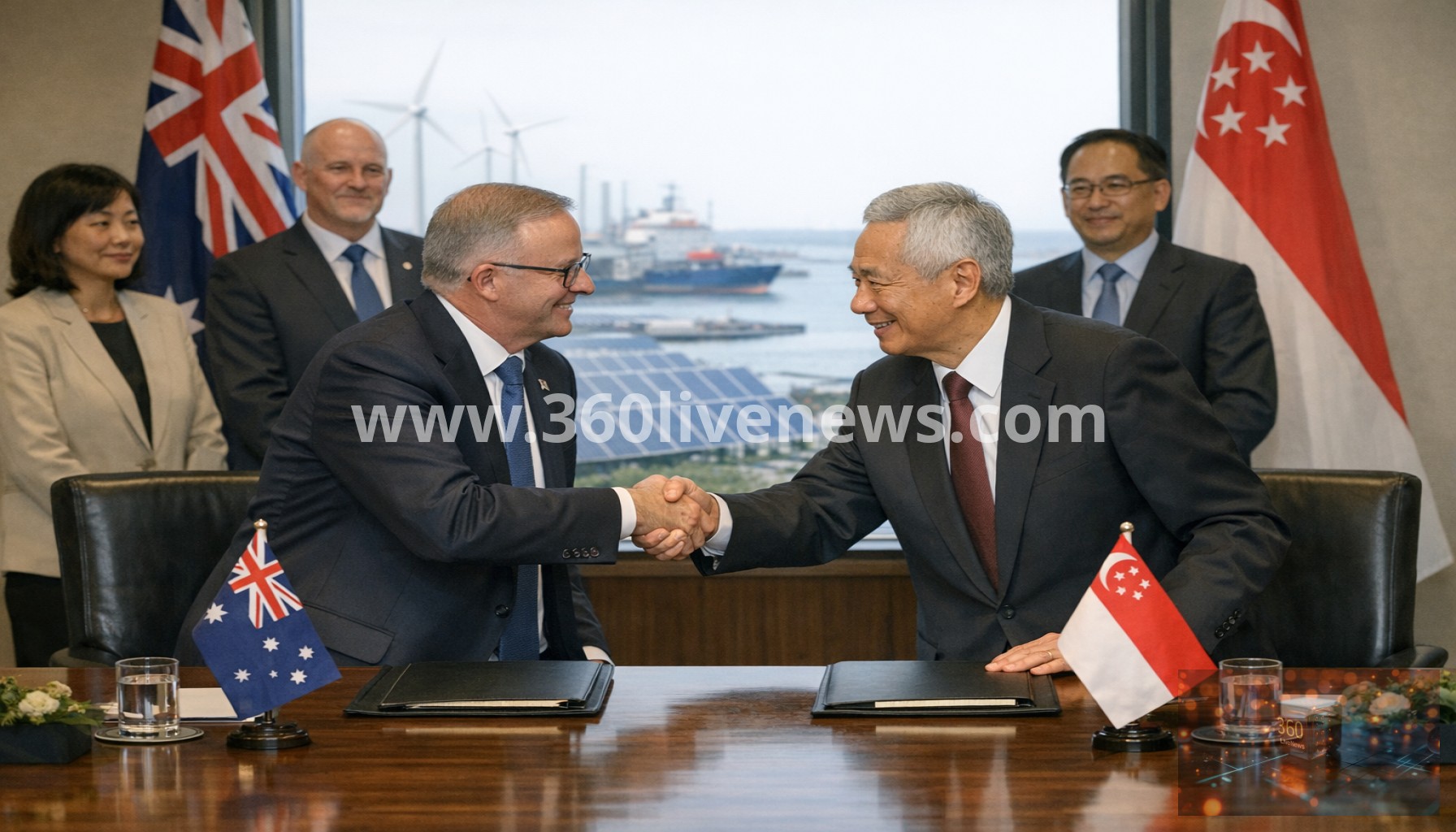

Australia and Singapore pledge to enhance energy cooperation amid Middle East conflict
Australia and Singapore have formally pledged to enhance their energy cooperation in light of the ongoing conflict in the Middle East. During a joint press conference in Singapore, Prime Minister Anthony Albanese and Singapore's Prime Minister Lawrence Wong announced that both nations will make "maximum efforts" to meet each other's fuel and gas needs. This agreement is seen as a critical move as Australia looks to secure its energy supplies in a turbulent global landscape. The joint statement from Albanese and Wong comes amid escalating tensions in the region following a war involving the United States and Israel against Iran.... [Continue Reading]
 360LiveNews | 10 Apr 2026 07:24
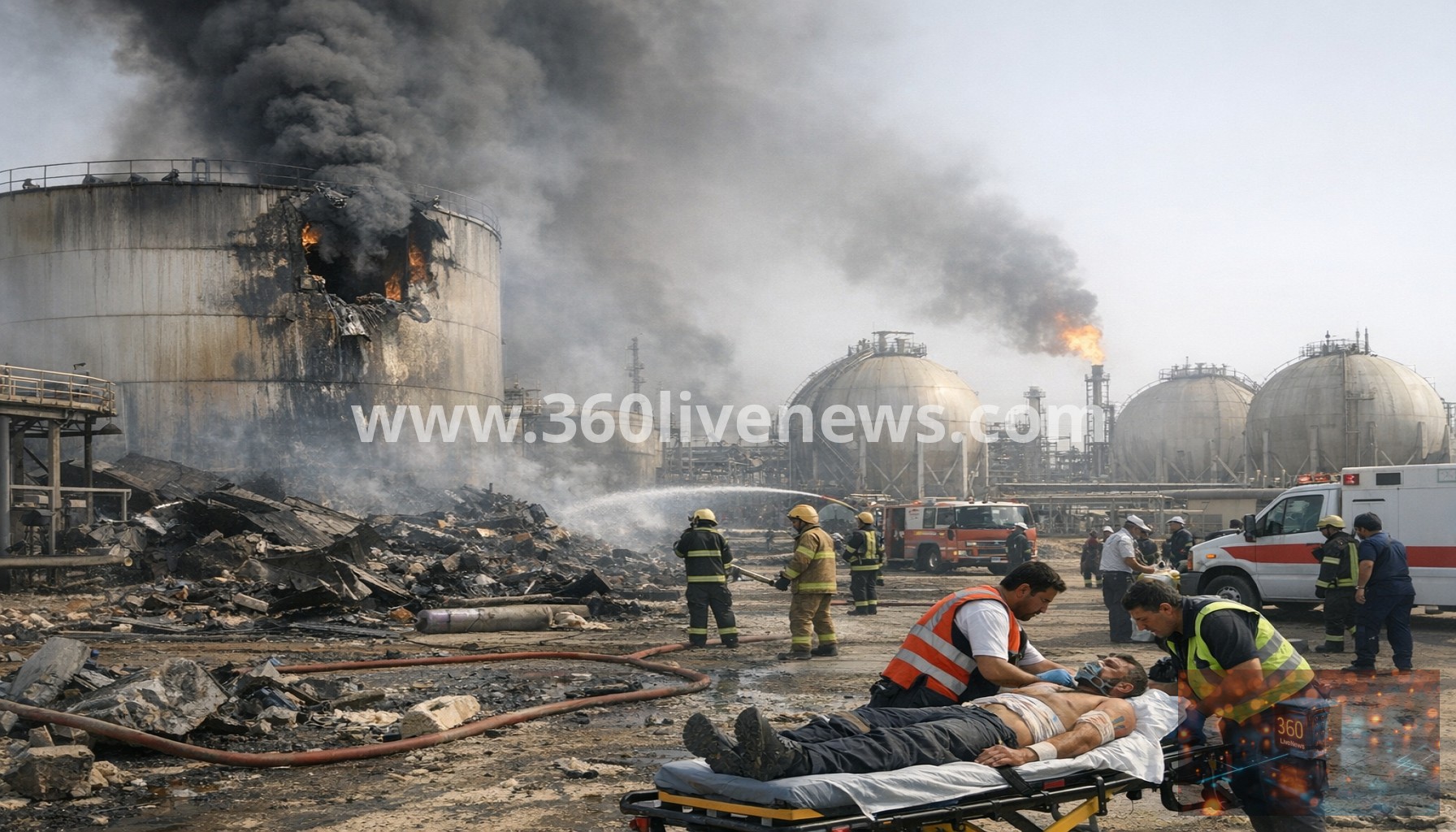

Operational activities suspended at Saudi energy facilities following drone and missile attacks, resulting in one death and seven injuries
In recent developments, operational activities have been suspended at several energy facilities across Saudi Arabia due to a series of drone and missile attacks. Reports from the Saudi Press Agency, citing an official from the Ministry of Energy, indicate that these attacks have significantly impacted the country’s energy sector, resulting in the loss of one life and injuries to seven others as of Thursday evening. The strikes targeted vital infrastructure in key regions including Riyadh, the Eastern Province, and Yanbu Industrial City. The assault has led to a substantial reduction in Saudi Arabia's oil production capacity, decreasing by approximately 600,000... [Continue Reading]
360LiveNews | 09 Apr 2026 21:08
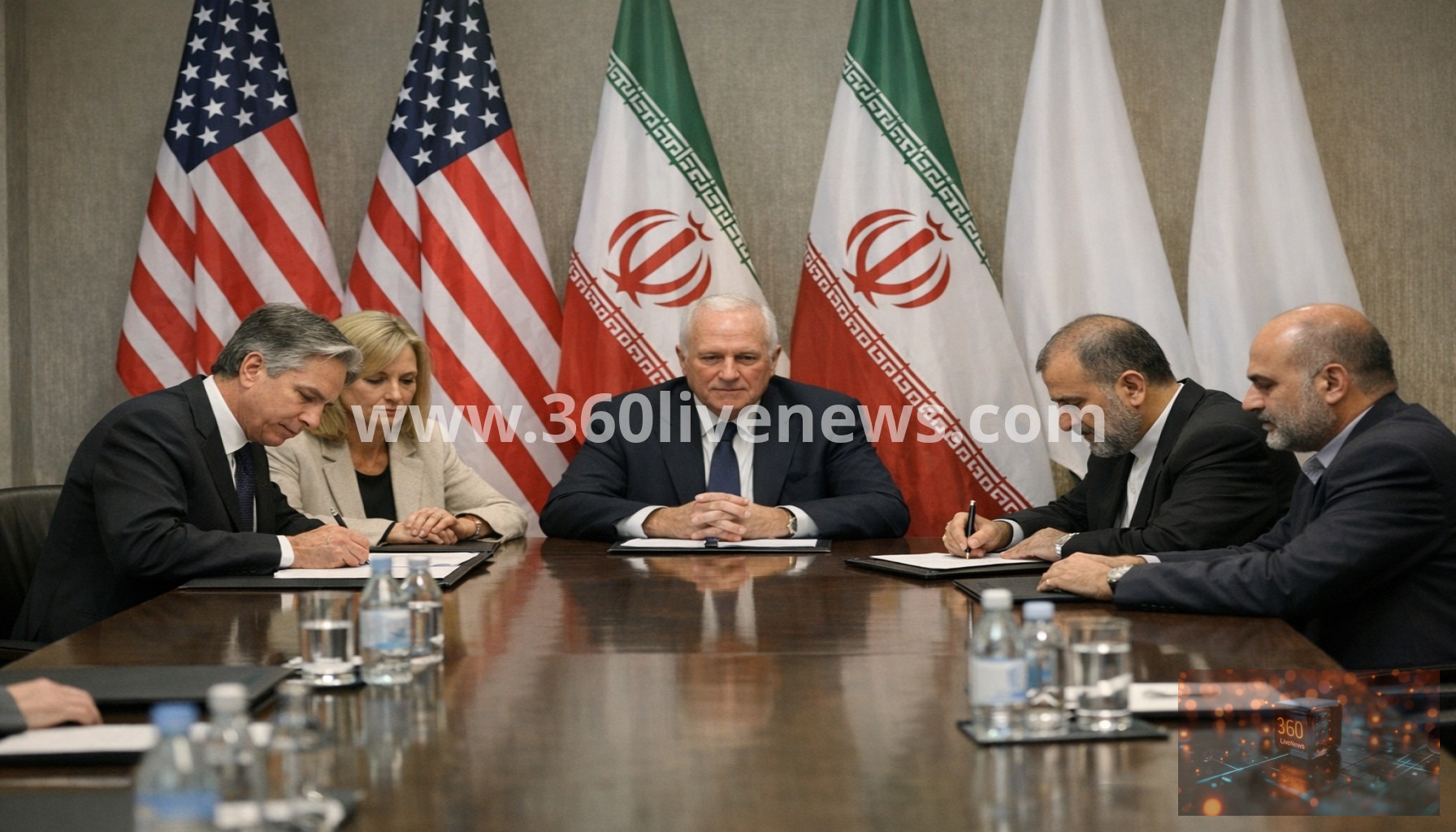

US and Iran agree to two-week ceasefire starting April 7, facilitated by Pakistan amid regional tensions
The United States and Iran have reached a two-week ceasefire agreement, effective from April 7, facilitated by mediation efforts from Pakistan. This agreement comes amidst ongoing tensions in the region and reflects China's strategic involvement in the diplomatic process, albeit from the sidelines. Sources indicate that Pakistani diplomacy has enabled Beijing to exert influence without direct engagement, thus minimizing political ramifications. Chinese involvement in the mediation is characterized by its choice to partner with Pakistan rather than engaging directly with Iran. This approach allows China to maintain robust relations with both parties while avoiding the political costs associated with overt... [Continue Reading]
360LiveNews | 09 Apr 2026 13:40


US and Iran agree to two-week ceasefire ahead of critical deadline set by President Trump
The United States and Iran have reached an agreement on a two-week ceasefire that was announced late on Tuesday. This development comes just before a critical deadline imposed by US President Donald Trump, who had warned Tehran of severe consequences should they fail to respond to diplomatic overtures. In a statement on X, Israeli Prime Minister Benjamin Netanyahu expressed his office's support for the US decision to suspend hostilities against Iran but made it clear that this two-week truce does not extend to Lebanon. Netanyahu emphasized that Israel remains resolute in its position that Iranian threats, particularly regarding nuclear capabilities,... [Continue Reading]
360LiveNews | 08 Apr 2026 04:09


Trump warns Iran of military response if Strait of Hormuz not reopened by deadline amid escalating Middle East conflict
The conflict in the Middle East continues to escalate as US President Donald Trump intensifies threats against Iran, warning of severe consequences should Tehran fail to comply with his demands by the end of the day. Trump has explicitly stated that if Iran does not reopen the Strait of Hormuz by 8pm ET on Tuesday, it could face a significant military response targeting energy facilities and bridges. Trump's remarks came after Iran rejected a proposal for a 45-day ceasefire, escalating the rhetoric surrounding the ongoing war whose ramifications are being felt across the region. The situation has recently been marked... [Continue Reading]
360LiveNews | 07 Apr 2026 03:13


Israel assesses Iran has over 1,000 missiles capable of striking the country amid ongoing conflict and Hezbollah's arsenal of rockets
As the conflict enters its second month, Israel has determined that Iran still possesses over 1,000 missiles capable of striking the country. This assessment underscores the continued military support Iran provides to its ally, Hezbollah, which reportedly has access to an arsenal of 8,000 to 10,000 shorter-range rockets. This operational escalation raises alarms regarding potential prolonged hostilities in the region, suggesting that the current conflict may maintain a high intensity for months ahead. The recent revelations come from an interview with an Israeli air force officer, who disclosed the missile counts in a notable shift from prior Israeli communications that... [Continue Reading]
360LiveNews | 06 Apr 2026 06:09


Iranian Forces Attack Critical Infrastructure in Gulf Region, Causing Significant Damage in UAE, Bahrain, and Kuwait
Critical infrastructure in the Gulf region has been under attack from Iranian forces, leading to significant damage reported in the United Arab Emirates, Bahrain, and Kuwait. These attacks, which included drone and missile salvos, intensified following Iranian accusations that Gulf nations are permitting US military operations from their territories. The assaults, which targeted energy and industrial facilities, began over recent weeks and are regarded as a direct response to US and Israeli strikes that commenced at the end of February. The Iranian military has identified energy infrastructure and petrochemical plants as key targets. Following the latest round of attacks, officials... [Continue Reading]
360LiveNews | 05 Apr 2026 09:10


Iran Claims Responsibility for Downing US Fighter Jet Amid Escalating Tensions
In a significant military escalation, the Iranian government has claimed responsibility for shooting down a United States fighter jet, as reported by France 24. This incident marks a further intensification of hostilities between the two nations amidst longstanding geopolitical tensions. Specifically highlighting the ongoing confrontation, a former US Deputy Assistant Secretary of Defense, Spencer Boyer, analyzed the implications of this act on regional security and international relations. While official details regarding the jet's model and the specific circumstances surrounding its downing remain scarce, Iran's announcement underscores a volatile military environment in the region. Iran's military engagements often heighten following increased... [Continue Reading]
360LiveNews | 03 Apr 2026 20:13


US F-15E fighter jet shot down over Iran, search and rescue operation underway for two pilots
A US F-15E fighter jet was shot down over Iranian territory, triggering an ongoing search and rescue operation for its two pilots, marking a significant escalation in the current conflict. Confirmed reports indicate that this incident is the first documented loss of an American aircraft within Iran since hostilities escalated a month ago. Iranian state media displayed images purportedly showing the wreckage of the jet, including pieces of tail fin, and are claiming that the aircraft was brought down by an advanced air defense system. The F-15E, identified as part of the US Air Force's 494th Squadron stationed at RAF... [Continue Reading]
360LiveNews | 03 Apr 2026 15:09


China Condemns Iran's Actions Against Gulf Cooperation Council Nations at UN Security Council Meeting
In recent developments at the United Nations, China has publicly condemned Iran’s aggressive actions against Gulf Cooperation Council (GCC) nations. During a UN Security Council meeting on Thursday, Fu Cong, China’s permanent representative to the United Nations, stated, “China does not support Iran’s attacks on Gulf Cooperation Council nations and condemns all indiscriminate attacks on innocent civilians and non-military targets.” This statement highlights Beijing's growing concern regarding security in vital shipping lanes, particularly the Strait of Hormuz, which remains critical for global energy transport. The context behind this condemnation is framed by Europe’s changing energy dependencies. Over the past few... [Continue Reading]
360LiveNews | 03 Apr 2026 12:13