Thousands of Iranians gather in Tehran for funeral of IRGC commander killed in Israeli strike amid rising tensions with Israel
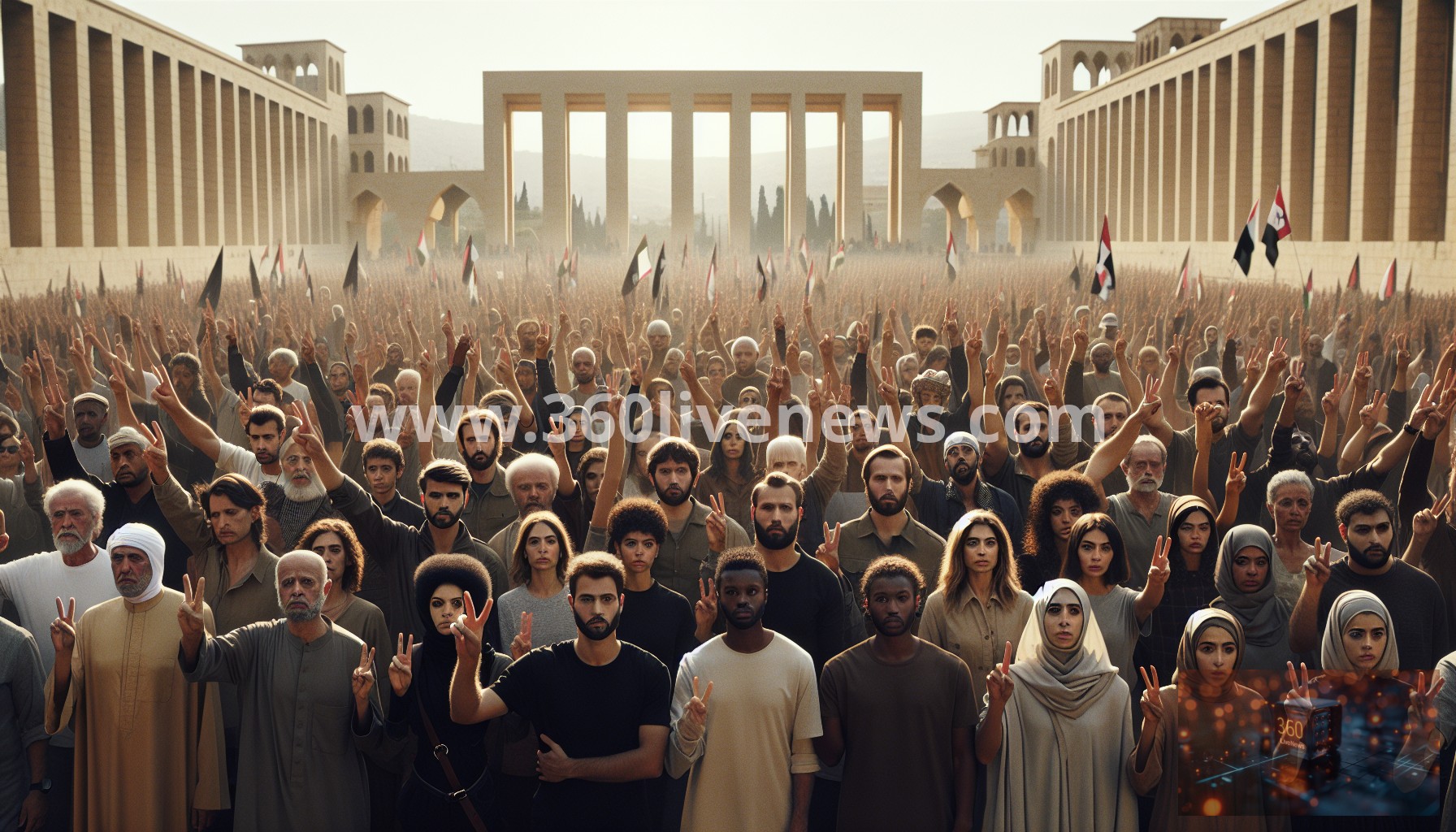
In a significant event marking the 47th anniversary of the Islamic Republic, thousands of Iranians gathered in Tehran for the funeral of a commander from the Islamic Revolutionary Guard Corps (IRGC) naval unit, who was reportedly killed in an Israeli strike. The gathering, which took place on April 1, saw mourners vowing to continue their resistance against what they described as ongoing threats from the United States and Israel. A notable sentiment expressed during the funeral was that this ongoing conflict had persisted for more than a month, with individuals asserting their commitment to resist "until the end."
The heightened tensions between Iran and Israel have escalated since February 28, when a series of bombardments reportedly began impacting Iranian territories. Moussa Nowruzi, a pensioner present at the funeral, expressed a widespread sentiment of determination among the mourners, stating, "This war has lasted a month. However long it takes, we will continue." This resoluteness reflects a broader narrative prevalent in Iran regarding the nation's military and political posture, especially in the face of external pressures from geopolitical challenges.
The organized funeral coincided with the anniversary of the Islamic Republic, which established its governance framework following the 1979 revolution that displaced the monarchy in a period characterized by dramatic national upheaval. This year’s observance of the anniversary appears imbued with deeper significance amid ongoing military confrontations, overwhelming feelings of patriotism, and collective memory of resistance against foreign adversaries.
In the backdrop of these developments lies the intricate geopolitical landscape involving Iran, the US, and Israel. The IRGC, recognized as a critical arm of Iran's military strategy, plays a pivotal role in projecting Iran's influence throughout the Middle East. Their operations and engagements are often framed within the context of national defense against perceived existential threats from both Israel and American forces in the region.
The funeral procession serves not only as a memorial for a fallen commander but also as a rallying point for supporters of the IRGC and the ideological tenets of the Islamic Revolution. This incident symbolizes Iran’s commitment to its revolutionary ideals, marking a historical context where military and civic identity fuse in the ongoing narrative of resistance.
Amidst these gatherings, official statements from Iranian leadership reiterated their stance on maintaining regional security without conceding to external pressures. Iranian officials have consistently denounced the US-Israeli actions as aggressive and provocative, framing their military responses as legitimate defenses of sovereignty and territorial integrity. This narrative has been a cornerstone of Iran’s international posture, emphasizing a theme of resilience and retaliation against foreign intervention, particularly from foreign intervention.
Geopolitically, the implications of this event extend beyond the immediate region, reflecting larger themes of energy security, military alliances, and the ongoing dynamics of international diplomacy. The escalating conflicts have far-reaching consequences, especially as major powers like the United States position themselves within the framework of Middle Eastern geopolitics. Heightened military actions and rhetoric can potentially trigger broader international reactions, influencing diplomatic negotiations across the globe, including those related to nuclear discussions, economic sanctions, and security cooperations.
Moreover, the focus on military engagement resonates with broader trends in regional security strategies. As tensions escalate, Iran's military capabilities and alliances could shift to reflect a more aggressive posture while seeking partnerships that challenge existing power balances. Historical precedents, such as Iran's influences over proxy groups and militant factions in neighboring countries, may gain renewed importance in this context of increased military confrontations.
As events unfold, observers are keenly watching Iran's strategic responses, particularly how these military engagements might affect domestic stability and international relations. The potential for further retaliation from Israel or US forces remains high, and reactions from neighboring countries could further complicate the geopolitical landscape, possibly impacting diplomatic talks in the wake of heightened military activity.
The solemn funeral and its associated pledges of resistance symbolize not just mourning but a clarion call for intensified unity against adversarial forces. As the situation develops, it becomes essential to consider not only the immediate humanitarian impact of such military conflicts on civilian populations but also the systemic geopolitical ramifications of ongoing hostilities in the region.
#Iran #US #Israel #Geopolitics #IRGC #Conflict #Resistance #MiddleEast
