US and Iran forces race to recover missing crew member from downed F-15 warplane in Iran
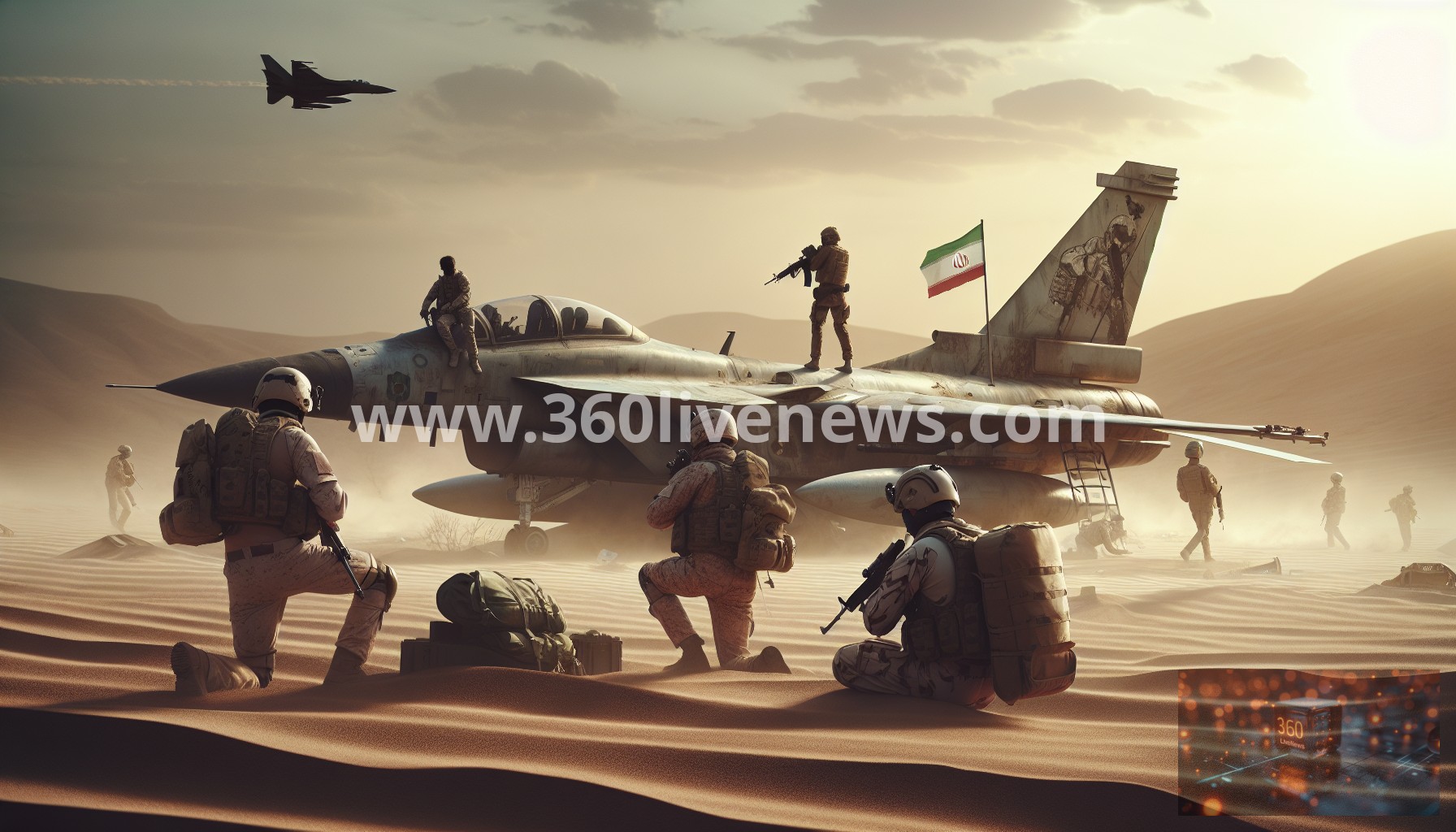
Forces from Iran and the United States are embroiled in a tense race to recover a missing crew member from an F-15 warplane that was shot down by Iran. This incident marks the first time a US fighter jet has crashed inside Iran during the ongoing conflict. Early reports indicate that US special forces successfully rescued one of the two crew members, while the other remains unaccounted for.
The downing of the F-15 occurred on Saturday, prompting both nations to mobilize their armed forces for what has become a critical operation. US media sources confirm the successful rescue mission, reporting that one crew member was saved, but there has been no confirmation regarding the fate of the missing airman. This incident has escalated tensions in the region significantly, with Iranian military forces also asserting that they successfully downed a US A-10 ground attack aircraft in the Gulf, although the pilot of that aircraft was reportedly rescued as well.
As the situation unfolded, several explosive blasts were heard in northern Tehran, further heightening the anxiety and uncertainty surrounding the current military engagement in the region. According to eyewitnesses and local media, these blasts were reported in the capital during what is now the sixth week of hostilities in the Middle East. The international community is monitoring these developments closely, as they may have broader implications for regional stability and US-Iran relations.
This incident forms part of a larger ongoing military conflict involving Iranian forces and US troops, which has seen multiple engagements and strikes across the region. The downing of the warplane comes amid rising tensions fueled by various military actions, including Israeli strikes against Iranian-backed Hezbollah sites in Lebanon, which have escalated retaliatory strikes from both sides.
The operational landscape around Iran is increasingly complex. The Iranian military has justified its military actions as necessary self-defense measures in light of perceived aggression from foreign powers. Meanwhile, the United States reaffirms its commitment to protecting its personnel and responding forcefully to any threats emanating from Iranian military operations. This latest incident may force US authorities to reevaluate their strategic approach in the region, considering the risks to their personnel and the challenges of conducting military operations in hostile territory.
In this context, the involvement of the Israeli military cannot be overlooked. In recent weeks, Israel has intensified its operations in southern Lebanon, with airstrikes targeting Hezbollah positions. The Israeli government maintains that without direct action, it cannot mitigate the threat posed by Hezbollah, a militia supported by Iran. These actions have led to significant unrest and uncertainty among local populations, particularly as reports indicate that residents in the impacted areas are reluctant to evacuate, fearing permanent displacement.
The operational dynamics are further complicated by the ongoing presence of the United Nations Interim Force in Lebanon (UNIFIL), which has been present in the region for decades to maintain stability along the Israel-Lebanon border. Recent skirmishes, including blasts reported at UNIFIL positions resulting in injuries, illustrate the growing volatility and danger present in this geopolitical flashpoint.
In light of these developments, recovery efforts for the missing crew member from the shot-down F-15 are not merely a matter of military logistics but are intertwined with the broader geopolitical stakes of the conflict, which has seen a series of retaliatory actions and counteractions between state and non-state actors across the region. As both Iranian and US forces undertake their respective missions, the outcomes of these operations could have far-reaching implications for the balance of power in the Middle East and the ongoing US-Iran rivalry.
Analysts are closely watching the situation, which could trigger a shift in both American military strategy and Iranian operational tactics. The specter of escalating military engagements raises pressing questions about international peacekeeping efforts and the potential for broader military confrontations in a region already on edge.
#Iran #USA #MiddleEast #Hezbollah #F15 #A10 #UNIFIL #MilitaryConflict #USMilitary #Tehran #Lebanon #Israel #Airstrikes
