Israel to Begin Direct Negotiations with Lebanon to Address Security Concerns and Disarm Hezbollah Militants
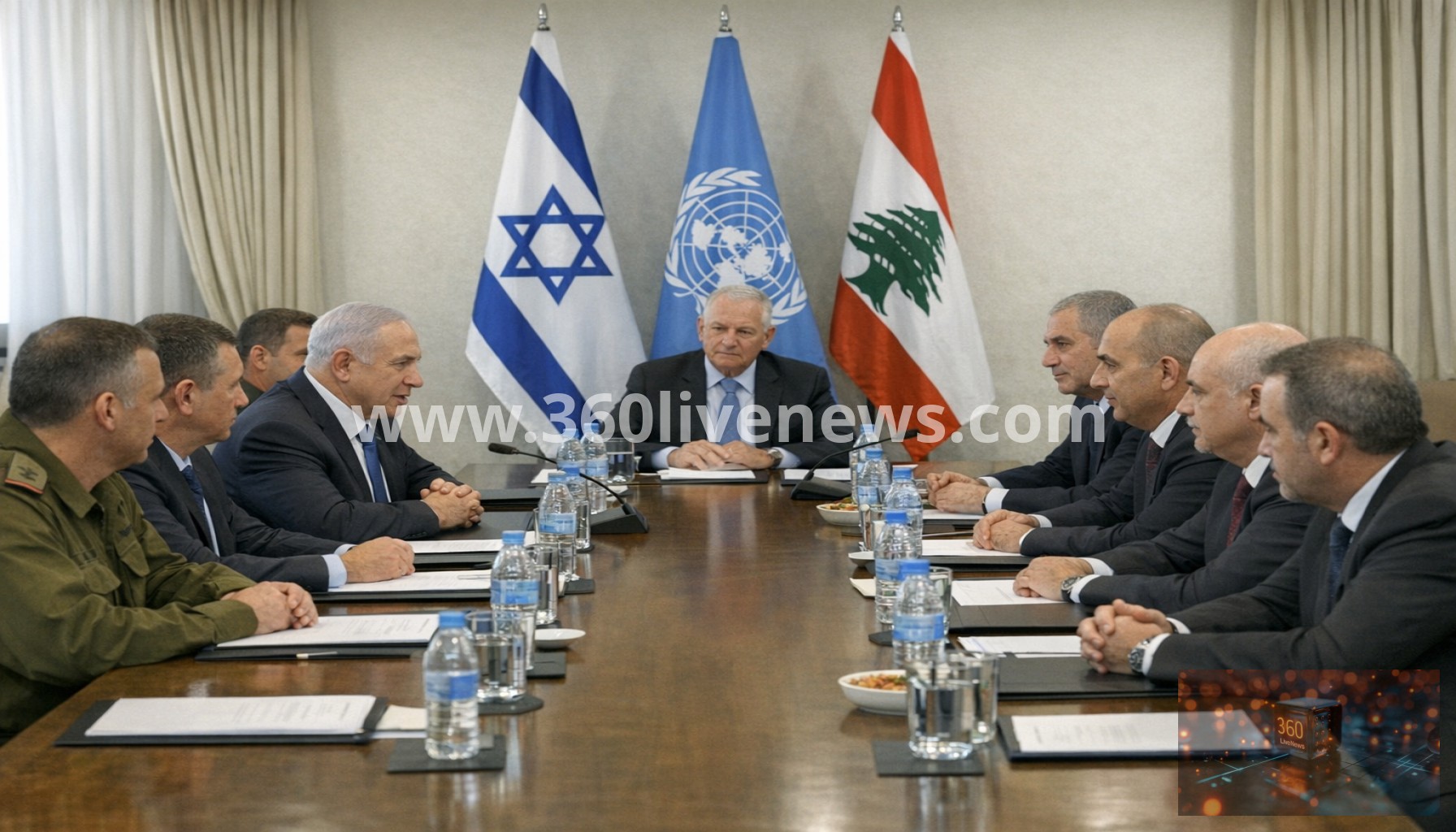
Israeli Prime Minister Benjamin Netanyahu has announced that Israel will begin direct negotiations with Lebanon aimed at addressing ongoing security concerns, notably disarming Iranian-backed Hezbollah militants. This decision comes as reports indicate that Israel's military actions in Lebanon continue to escalate, profoundly affecting the tenuous ceasefire currently in place between the United States and Iran. The talks are expected to take place next week at the U.S. State Department in Washington as international stakeholders express grave concerns over the potential collapse of this fragile ceasefire.
The impetus for the forthcoming discussions is underscored by the rising military activity in the region. Netanyahu's latest statement emphasizes that Israel has no intention of ceasing strikes against Hezbollah until security along northern borders is restored. In his video address, he reiterated the point that there is no ceasefire in effect between Israel and Lebanon, despite ongoing diplomatic discussions. This stance highlights the precarious nature of regional security and how military engagements can undermine diplomatic initiatives.
On Wednesday, reports indicated that Israeli airstrikes in Lebanon marked the heaviest bombardment of the ongoing conflict, resulting in hundreds of casualties. Such military actions are seen as a critical breaking point, raising tensions in a region already fraught with complexities due to historical hostilities. The Israeli defense forces have articulated that their military operations are aimed at neutralizing any threats posed by Hezbollah amid the wider backdrop of the conflict with Iran.
The fragile ceasefire between the U.S. and Iran has faced mounting strain in recent days. According to U.S. President Donald Trump, Iran has not adhered to its obligations regarding the closure of the strategic Strait of Hormuz, further complicating the diplomatic landscape. Trump's public statements indicate his discontent, remarking that Iran was exhibiting a "very poor job" in maintaining the agreement, thus highlighting a growing rift in compliance between these nations.
Iran's substantial military involvement in Lebanon through Hezbollah has not only escalated local tensions but has also spurred significant disruptions in global energy supplies due to Iran’s near-total blockade of the Strait of Hormuz. Analysts note that the prolonged conflict has made oil supply stability precarious, contributing to rising prices and illustrating how regional conflicts have global ramifications.
The upcoming talks are being viewed by many as a critical opportunity for diplomacy in a region long marred by conflict. After decades of hostilities, during which Lebanon and Israel have technically remained at war since Israel's establishment in 1948, the renewed focus on dialogue is a notable shift. However, experts are wary, cautioning that until substantive agreements are reached, military operations by Israel will likely continue, undermining any progress made in negotiations.
The geopolitical implications of these negotiations are significant, not only for the bilateral relationship between Israel and Lebanon but also for U.S. interests in the region. As the U.S. aims to stabilize relations with Iran, any breakdown in discussions could lead to increased military action and a further deterioration of the ceasefire agreement—a situation many in the international community are keen to avoid.
In essence, the unfolding events signal a pivotal moment not only for Israeli-Lebanese relations but also for broader Middle Eastern dynamics. As tensions continue to rise, the successful navigation of these discussions will require careful management from all parties involved, ensuring that military considerations do not completely overshadow diplomatic ambitions. The weight of historical grievances and current skirmishes means that both sides may face significant challenges in achieving lasting peace.
#Israel #Lebanon #Hezbollah #MiddleEast #Netanyahu #US #Iran #StraitOfHormuz