Lebanon faces aftermath of Israeli air strikes targeting Hezbollah in southern regions, with rescue efforts ongoing in Choukine
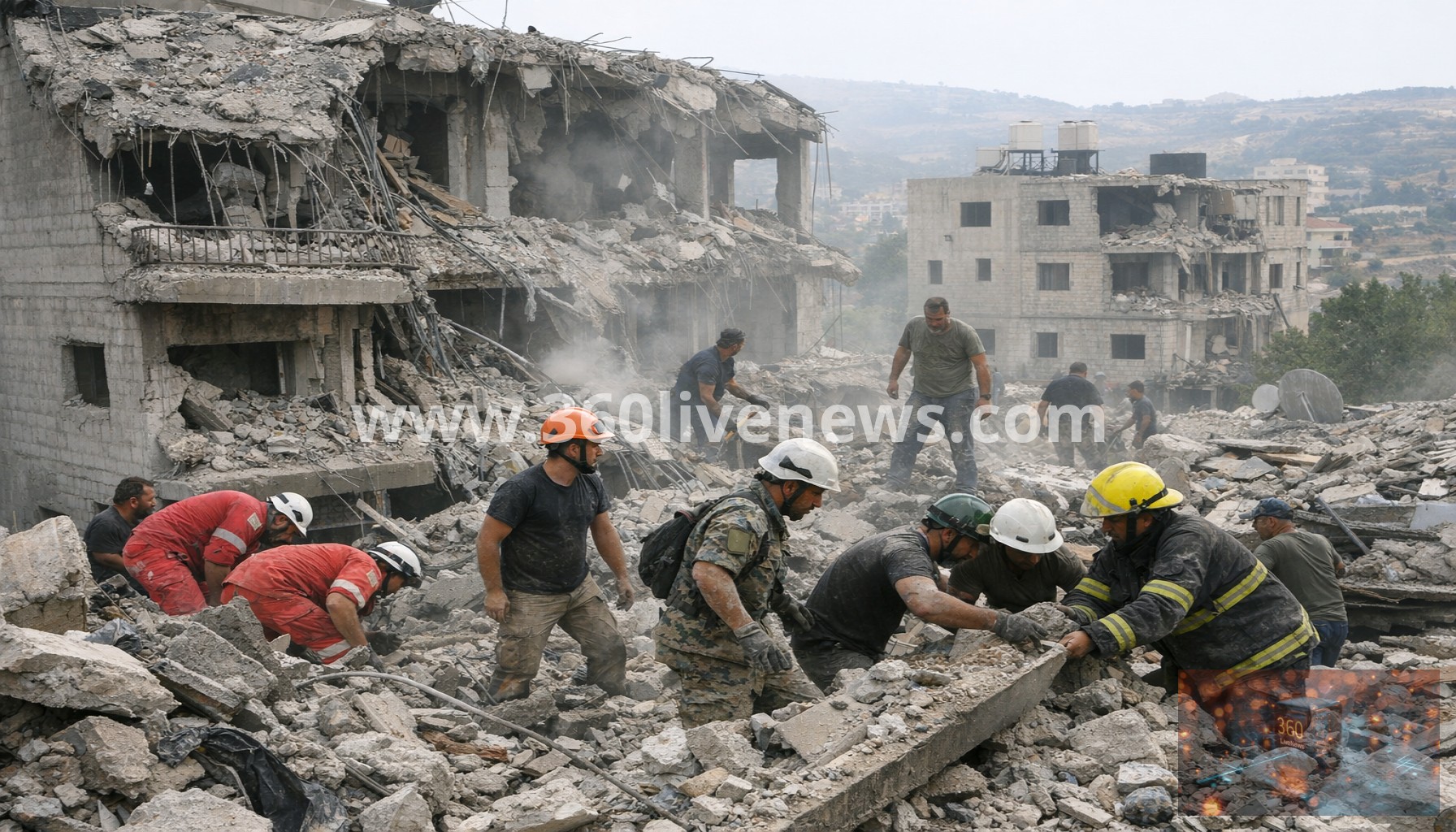
Lebanon is currently grappling with the aftermath of intensified Israeli air strikes aimed at Hezbollah targets in the southern regions. In particular, significant bombardments have been reported in the village of Choukine, where rescue teams are struggling to recover bodies amidst the wreckage and flames. Israel has stated that its military operations have focused on rocket launch sites, responding to warnings that Hezbollah may increase its rocket attacks into Israeli territory. This escalation follows a particularly deadly day of strikes on Wednesday, during which more than 300 people were killed in Lebanon, marking one of the most catastrophic single-day events in the ongoing conflict.
Reports from Lebanon's National News Agency indicate that additional attacks have been carried out in the vicinity of Bint Jbeil, a key town within the conflict zone. Meanwhile, residents of northern Israel, including cities like Haifa, have heard air-raid sirens, signaling rocket alerts that have been ongoing throughout the day. The Israeli Defence Forces confirmed that interception measures were implemented in response to these threats, with affected residents eventually permitted to vacate shelters. These developments have occurred despite regional calls to extend a ceasefire agreement reached between the United States and Iran, which Israel contends does not extend to its military engagements with Hezbollah.
The ongoing conflict has seen Lebanon’s health ministry declare significant casualties, with Wednesday being one of the darkest days in recent history, as hundreds succumbed to the strikes. The violence has increasingly drawn attention from the international community, raising calls for a reassessment of the measures aimed at curtailing hostilities. The rapid escalation since the death toll rose has contributed to heightened tensions in the region, impacting diplomatic dialogues and efforts toward conflict resolution that had previously seemed feasible.
Institutionally, this conflict represents the latest chapter in an enduring struggle involving Hezbollah, an Iran-backed militant group, and Israeli forces. Hezbollah emerged in the early 1980s as a reaction to the Israeli invasion of Lebanon and has since positioned itself as a key player in Middle Eastern geopolitics, often bolstered by Iran’s support. The Israeli military frequently cites Hezbollah’s stockpiled arsenal as a threat to its national security, prompting military actions under the pretext of self-defense.
The backdrop to this renewed violence includes ongoing regional tensions wherein ceasefires brokered by international players, mainly the United States and Iran, have continually been tested. The latest ceasefire agreement, which was reached just days before the intensification of hostilities, highlights the fragile nature of peace negotiations in the region. It is significant to note that while calls have been made for a cessation of violence, the Israeli government asserts that its military actions are necessary for its national security and are not subject to agreements that they believe exclude their security concerns regarding Hezbollah.
The broader implications of this violence extend into the economic and diplomatic realms, with oil markets reacting swiftly to heightened tensions. Prices have risen as the conflict fuels anxiety over supply stability in the Middle East, particularly given the strategic importance of oil transportation through the Strait of Hormuz. Analysts note that the attacks on Saudi energy infrastructure have compounded fears, driving Brent crude futures up by over 1% recently as investors react to the volatile landscape. In parallel, discussions hint at a possible diplomatic thaw as Israel expressed willingness to enter into direct talks with Lebanon, raising hopes for a more stable geopolitical environment.
As the situation evolves, existing narratives concerning Iran’s influence in the region remain pivotal. The conflict has necessitated a reconsideration of U.S. foreign policy in Middle Eastern affairs, particularly regarding its stance on military interventions and support for allied states like Israel. Experts suggest that understanding the operational dynamics of Hezbollah and its capabilities will be crucial in addressing future conflict scenarios in the region, especially given past instances of regional actors leveraging military strength for negotiating power.
The international community is closely monitoring these developments, with humanitarian agencies poised to address the growing crisis. The escalating number of casualties and ongoing military actions have prompted urgent appeals for humanitarian assistance to Lebanon’s stricken areas. This dire situation underscores the critical need for immediate dialogue among involved parties to avert further humanitarian disaster and to reassess the efficacy of existing diplomatic efforts.
In conclusion, the renewed Israeli strikes mark a significant escalation in an already volatile conflict that has resulted in massive loss of life and raised pressing questions about regional stability. As Lebanon reels from the impact, the global implications of this violence—especially in relation to energy markets, diplomatic processes, and broader security concerns—remain crucial to understand moving forward.
#Lebanon #Israel #Hezbollah #MiddleEastConflict #USForeignPolicy #Ceasefire #OilPrices #Syria