Russia and Ukraine agree to 32-hour ceasefire starting Saturday evening for Orthodox Easter humanitarian efforts
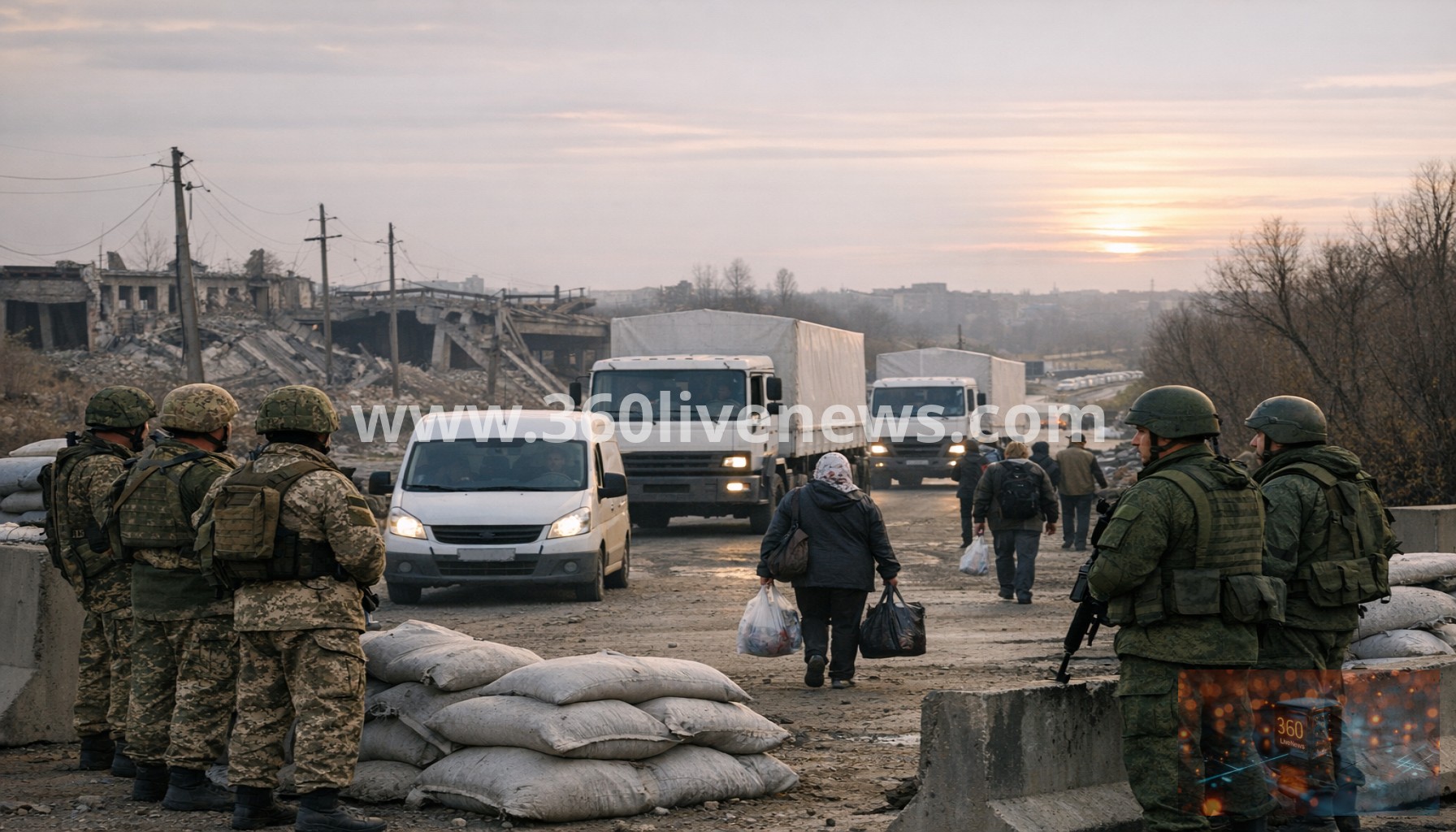
In a significant development, Russia and Ukraine have agreed to a 32-hour ceasefire that will be effective from Saturday evening. This temporary cessation in hostilities coincides with the Orthodox Easter, a time of great significance for Christians in both nations. The ceasefire is seen as a rare opportunity for humanitarian aid delivery and civilian respite amid the ongoing conflict that has affected millions since it escalated.
The ceasefire, announced in an official statement, was mandated to commence at 8 p.m. local time. This marks a crucial moment, as both nations have been engrossed in a prolonged conflict that has led to extensive casualties and displacement, with officials on both sides acknowledging the dire humanitarian situation. Reports indicate that the conflict has resulted in thousands of confirmed casualties, though exact numbers are still being reviewed by respective agencies.
Ukrainian President Volodymyr Zelensky has previously discussed the substantial challenges faced regarding humanitarian aid in the war-torn regions. Despite the temporary nature of this ceasefire, analysts suggest it could foster a conducive environment for dialogue, albeit limited, as both sides remain firmly entrenched in their positions regarding territorial integrity and sovereignty.
Moreover, the Russian Defense Ministry has indicated that the Ukrainian side is expected to uphold the terms of this ceasefire, allowing for safe passage of civilians wishing to attend religious services. As the ceasefire unfolds, the attention will focus on whether both parties adhere to the agreement, particularly given the historic precedence of failed truces amid ongoing tensions.
The background of the ongoing Russia-Ukraine conflict is rooted deeply in historical rivalries and geopolitical aspirations. Since the annexation of Crimea in 2014, relations between Moscow and Kyiv have deteriorated sharply, resulting in extensive military engagements. This seesawing conflict has not only drawn in regional actors but has also attracted international attention, resulting in various sanctions against Russia imposed by Western nations.
In the broader geopolitical context, this ceasefire can be seen as a response to mounting pressures from international communities urging for cessation of hostilities and prioritization of humanitarian concerns. The European Union and the United Nations have consistently called for greater efforts towards achieving lasting peace in the region. European Union officials have previously indicated that trust-building measures are essential for any credible negotiations moving forward.
Previous ceasefires, such as the agreements forged in the Minsk Protocol, have historically fallen short due to ongoing violations, leading to skepticism regarding this latest endeavor. Many experts suggest a cautious optimism, emphasizing the importance of monitoring mechanisms to ensure both sides respect the terms of the ceasefire. Even so, the absence of trust between the parties complicates the scenario, as any violation could swiftly unravel the temporary peace.
This ceasefire aligns with the Orthodox Easter, a period that traditionally symbolizes hope and rebirth. Analysts propose that leveraging such a cultural and religious moment could serve as a diplomatic tool to inspire broader international support for peace initiatives. Notably, religious leaders within both nations have expressed their commitment to peace, urging their respective governments to take meaningful steps towards ending the violence that has ravaged their communities.
As the ceasefire approaches, agencies on both sides are gearing up for potential humanitarian missions. While the exact locations for aid distribution have yet to be specified, officials emphasize the urgent need for medical supplies and food in the hardest-hit areas, particularly where civilian access has been severely restricted. There are anticipations that the temporary halt could facilitate the delivery of essential resources to civilians who have endured six weeks of intense violence.
As the situation develops, stakeholders from various sectors will be monitoring the progress of the ceasefire and its implications for the diplomatic landscape across Europe and beyond. Observers highlight that this ceasefire, while limited, could serve as a foundational step towards more comprehensive negotiations aimed at resolving the broader conflict.
#Russia #Ukraine #OrthodoxEaster #Ceasefire #HumanitarianAid #GeopoliticalTensions #ConflictResolution #DiplomaticEfforts