Gaza marks six months since ceasefire as violence continues, with over 72,000 deaths reported since hostilities began
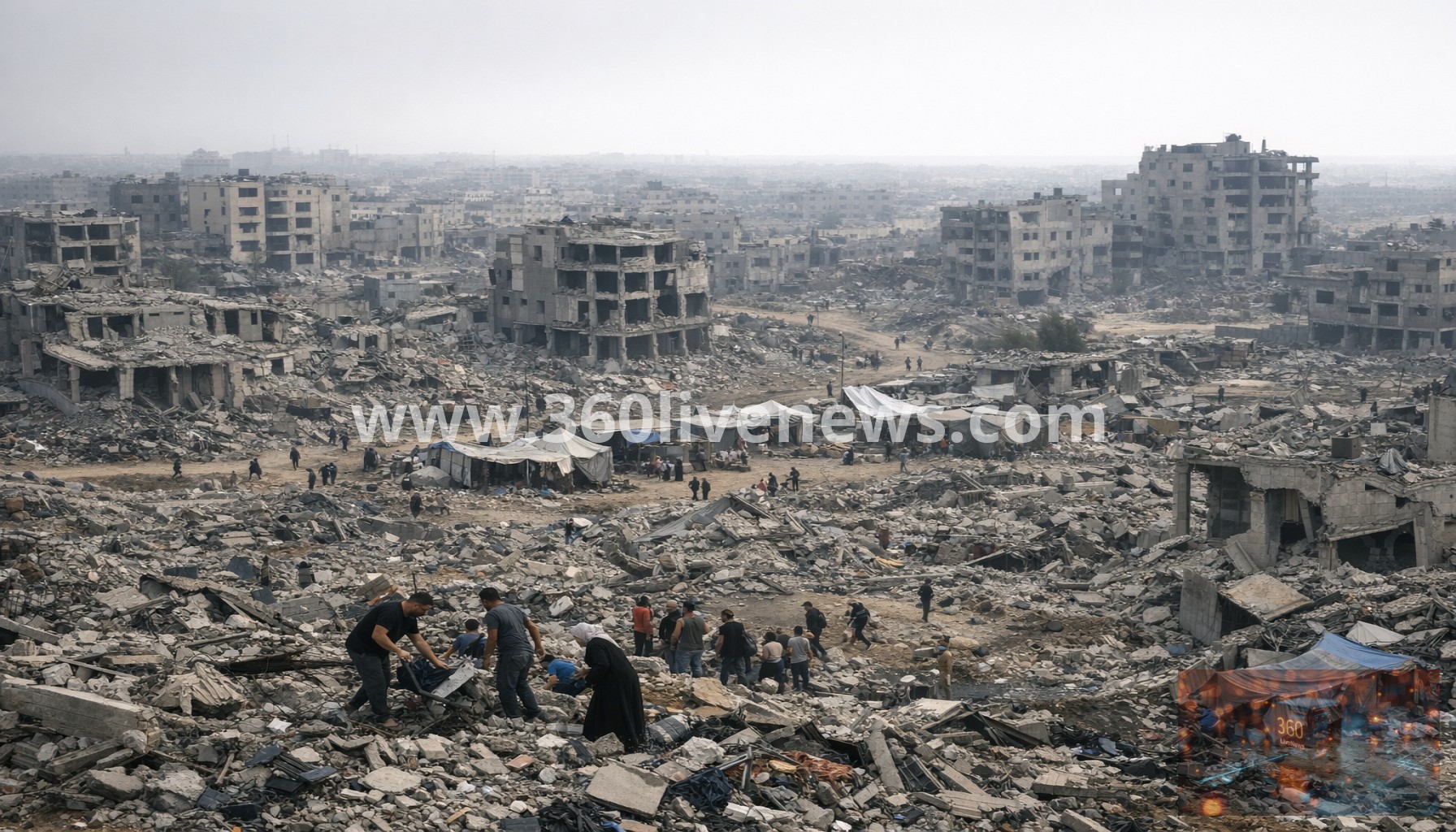
As Gaza marks six months since the US-brokered ceasefire commenced on October 10, significant violence has persisted, casting a long shadow over recovery efforts. Over 72,000 have died in Gaza since the commencement of hostilities, with casualties continuing to mount from near-daily Israeli attacks that contravene the truce. Official reports indicate that at least 738 additional Palestinians have been killed since the ceasefire began, with an estimated 2,000 more injured, highlighting the ongoing humanitarian crisis in the region.
According to Palestine’s Ministry of Health, the death toll reflects a severe impact on Gaza’s population, where over 10 percent have been killed or injured. Many residents are reportedly trapped under rubble, a grim testament to the widespread destruction that has characterised this latest phase of conflict. The ministry’s statistics emphasize the disproportionate effect on vulnerable groups, particularly children and women, who constitute a significant portion of the casualties.
The ceasefire, ostensibly designed to facilitate humanitarian aid and peace talks, has repeatedly been breached, raising questions about its efficacy and the broader geopolitical implications. Despite the official cessation of major hostilities, limited aid continues to trickle into Gaza, with mechanisms for substantial reconstruction still unimplemented. The situation exemplifies challenges of negotiating peace in a highly complex environment where mistrust and violent breaches of agreements persist.
The ongoing violence is not only devastating to the physical landscape of Gaza but also significantly hampers the possibility of political reconciliation and recovery. With millions displaced and basic services severely disrupted, the challenge of re-establishing functioning governmental and social structures has become increasingly complicated. The impact of the crisis exacerbates existing tensions within Palestinian territories and underscores the urgent need for a durable peace framework.
Commentators have drawn parallels between the situation in Gaza and broader regional dynamics, particularly in light of ongoing tensions involving Iran. Observers note that the challenges facing Gaza could offer critical insights for international stakeholders seeking to address conflicts in the region. The dual context of the Gaza ceasefire alongside Iran's geopolitical maneuvers raises imperative questions about the efficacy of ceasefire agreements and the responsibilities of involved nations.
The current state of affairs remains troubling for Gazan residents, as political dissension and calls for action continue to develop. Experts argue that international intervention and sustained political pressure are critical for achieving genuine stability. Without significant changes in the negotiation strategies of involved parties, the cycle of violence could perpetuate further humanitarian disasters.
The humanitarian response has seen limited success, with reliance on a single Israeli-controlled border post for aid delivery raising significant concerns. As reports detail the logistical challenges faced by aid organizations, many have warned that only substantial political shifts can lead to effective management of humanitarian efforts. This overarching dependence on external mediation highlights the fragility of peace in a region rife with conflicting agendas.
As the international community turns its focus towards Gaza, urgent calls for a comprehensive approach to reconstruction and peace-building continue to proliferate. The potential for psychological and socio-economic healing in Gaza hinges upon the willingness of both local actors and international stakeholders to actively develop pathways that can address both immediate humanitarian needs and longer-term political solutions.
The six-month milestone underlines not only the urgency for immediate humanitarian assistance but also the need for an expanded dialogue to include diverse stakeholders. With calls for disarmament of militant factions and the establishment of an international stabilisation force, the road ahead remains fraught with challenges. As local leaders continue to navigate this tumultuous landscape, the international community watches closely, evaluating actions that may well shape the future of peace in Gaza and beyond.
#Gaza #Israel #Peace #MiddleEast #Hamas #HumanRights #UN #Trump