Israel's airstrikes on Lebanon result in at least 300 civilian deaths amid escalating conflict and ceasefire talks initiated by Netanyahu
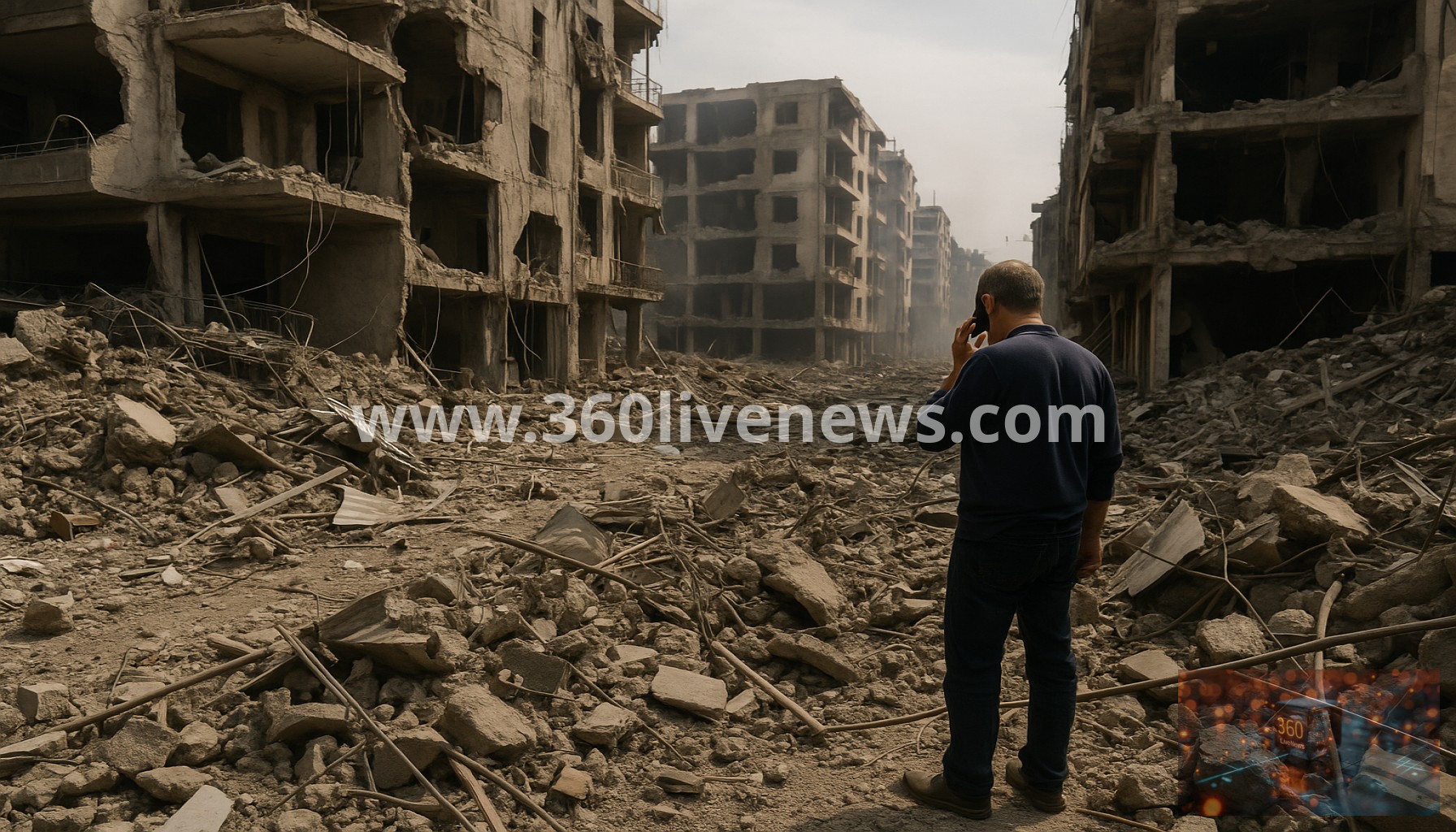
The ongoing conflict between Israel and Lebanon has escalated dramatically, following a series of intensive airstrikes by Israel that resulted in at least 300 confirmed deaths, primarily among civilians. The attacks occurred on a day recently dubbed "Black Wednesday," with military actions intensifying despite a fragile truce established between the United States and Iran earlier that day.
Israeli Prime Minister Benjamin Netanyahu publicly confirmed on Friday that he had instructed his cabinet to initiate ceasefire talks with Lebanon "as soon as possible." This statement came just a day after the largest wave of airstrikes on Lebanon was reported. The Israeli military has been targeting significant locations in Beirut, with military sources citing that over 1,150 individuals have been injured in these operations. As these developments unfolded, the Lebanese military characterized the casualties in the strikes as predominantly civilian, further highlighting the humanitarian crisis stemming from the conflict.
Currently, there is fierce diplomatic pressure from both European and Arab states urging Israel to cease its military actions against civilian targets in Lebanon. An anonymous Western diplomat reported that Israel was warned against further strikes particularly affecting southern Beirut, a densely populated area. The ongoing consequences of these strikes have drawn significant international attention, raising alarm over the potential for increased civilian casualties and drawn-out conflict in the region.
Historically, relations between Israel and Lebanon have been fraught with tension, particularly since the rise of Hezbollah, the Lebanese militant group. Hezbollah's military actions and subsequent retaliatory strikes by Israel have characterized a cycle of violence enduring for decades. Analysts fear the recent airstrikes could severely disrupt diplomatic efforts, including upcoming talks between the United States and Iran scheduled to take place in Pakistan.
On Wednesday, the Israeli military conducted its heaviest bombardment of Lebanon, with strikes reportedly carried out without prior warnings to civilians. As part of its military operations, Israel did indicate it would continue to target Hezbollah, further complicating the potential for peace talks. While Netanyahu acknowledged the renewed interest in ceasefire negotiations, the Israeli military remained active in its campaign against Hezbollah, prompting experts to express concern that escalation could jeopardize the tenuous peace established between major powers in the region.
The diplomatic discourse surrounding this conflict has evolved in light of recent events. Notably, the negotiation of a ceasefire comes after overtures of reconciliation were made through various channels. However, the effectiveness of such diplomatic efforts remains uncertain, burdened as they are by the backdrop of recent violence and growing calls for accountability in light of the humanitarian toll. The casualties from the recent strikes on Wednesday have heightened the urgency for immediate action to pull back from the brink of extensive military engagement.
The international community is closely monitoring the situation, with significant institutions advocating for a return to dialogue rather than aggression. The involvement of allied nations, as well as reactions from global organizations, will play a critical role in determining the future course of action. Both European and Arab states have voiced their intent to de-escalate tensions, which could lead to broader discussions about stability and reconstruction in a region long ravaged by conflict.
As Israeli forces maintain pressure on Hezbollah and other militant factions, the ramifications of such operations could extend far beyond immediate military objectives. With a delicate balance of power at stake, analysts argue that the possibility of peace discussions hinges on a critical junction. If diplomatic overtures falter amidst ongoing hostilities, Lebanon could face a prolonged period of instability and humanitarian crises, further entrenching divisions within Lebanese society and between Lebanon and Israel.
This dynamic geopolitical scenario reflects the complex interdependencies at play in the region. The ongoing strife presents significant implications for not just Israel and Lebanon, but also for broader Middle Eastern stability. The architecture of international relations, particularly in the context of US-Iran relations, is expected to face rigorous scrutiny as stakeholders assess their positions and strategies in light of these developments.
#Israel #Lebanon #Netanyahu #Hezbollah #UnitedStates #Iran #diplomacy #ceasefire #Arabstates #EU #hospitals #casualties