OIC condemns Israel's approval of 34 new settlements in occupied West Bank as a violation of international law
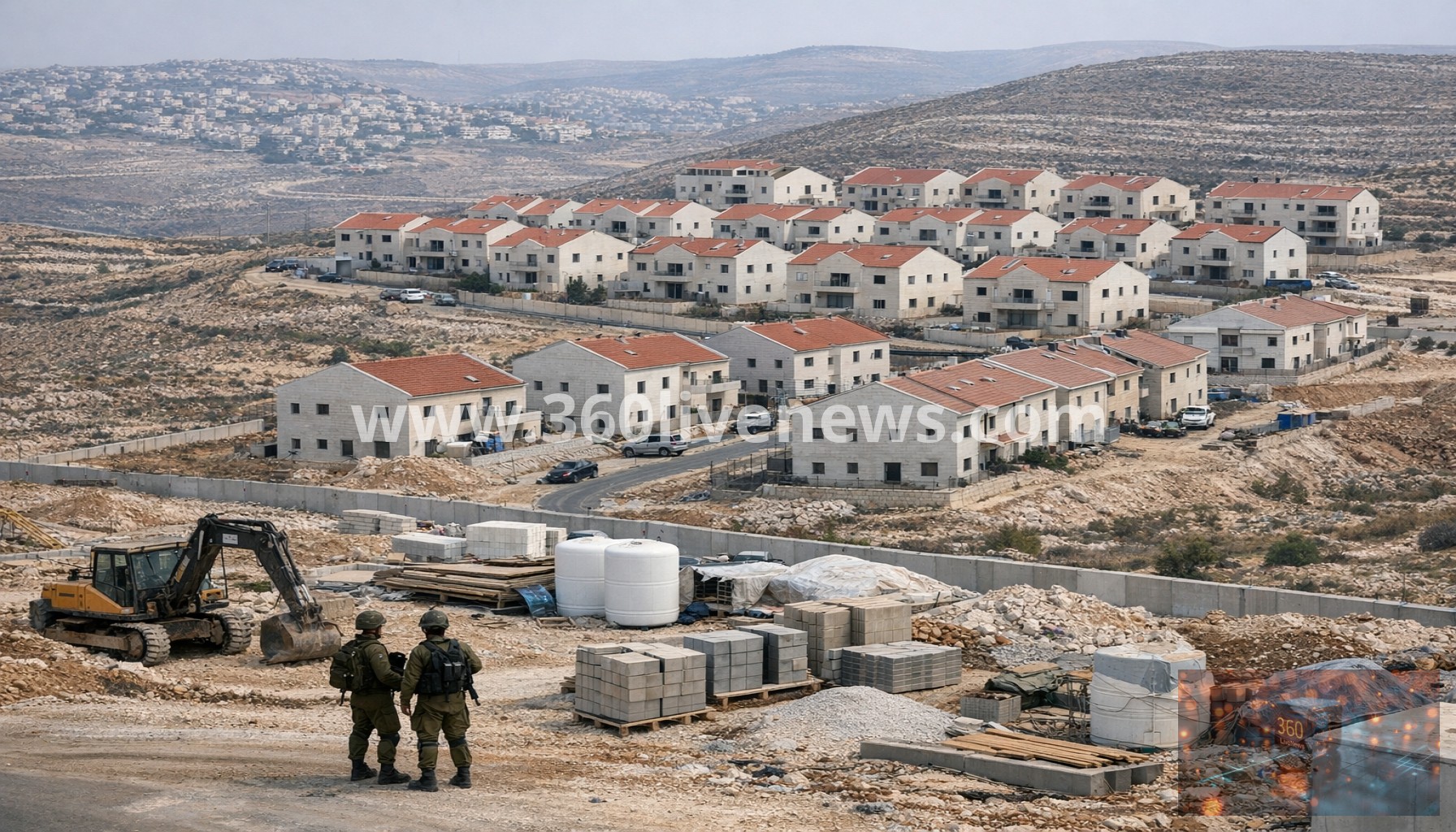
The Organisation of Islamic Cooperation (OIC) has condemned Israel's recent approval of 34 new settlements in the occupied West Bank, labelling the move a "flagrant violation of international law." The announcement from the OIC follows reports from the Israeli rights group Peace Now, which indicated that the Israeli government made this decision secretly in early April. This development comes amidst rising tensions and violence in the region, particularly around Palestinian settlements.
As of now, the Palestinian Presidency's office has also criticized the settlement approvals, stating that they contravene international legal norms. The OIC's general secretariat affirmed that Israel, described as "the occupying power," holds no sovereignty over the Occupied Palestinian Territory, which extends to East Al-Quds (Jerusalem). They categorically declared that all Israeli measures aimed at altering the geographic or demographic landscape in the area are null and void under international law.
Following the announcement of the new settlements, multiple human rights organizations and international observers have expressed deep concern over Israel's settlement expansion policies. Israeli settlements in the West Bank are widely considered illegal under international law, a stance that has led to significant criticism against Israel from global entities. Historically, these settlements have been a major point of contention between Israel and the Palestinian people, resulting in ongoing disputes over land ownership and sovereignty.
The geopolitical significance of the settlement expansion becomes increasingly relevant as tensions rise in the region. Just days before the OIC's condemnation, a Palestinian man, Alaa Khalid Subeih, aged 28, was shot dead during an attack by Israeli settlers in Tayasir, a village in the northern West Bank. Eyewitness accounts state that Subeih was attempting to protect his greenhouse when he was killed. The Israeli military reported he was shot by an off-duty soldier, alleging that Subeih had been throwing stones, a claim met with skepticism by various observers and Palestinian officials.
In light of these developments, the Israeli government has faced significant criticism for facilitating an environment where such violence can occur. Former security chiefs in Israel have raised alarms about "government-sponsored Jewish terrorism" gaining ground in the West Bank, a sentiment that underscores the increasingly violent interactions between Israeli settlers and Palestinians. The broader implications of expanding settlements could further strain already fragile relations, hinder peace processes, and escalate hostilities in the region.
The ongoing situation has drawn attention from international organizations seeking to mediate peace talks. The UN has long called for a two-state solution which would establish a Palestinian state alongside Israel. As disputes over territory continue to escalate, the calls for intervention by global bodies like the OIC may garner more support amid fears of intensified conflict. The timing of the OIC's condemnation highlights the critical need for multidimensional diplomacy in addressing the Israeli-Palestinian conflict.
Additionally, the OIC's condemnation could prompt reactions from Western nations, particularly the United States, which has historically played a significant role in Middle Eastern diplomacy. The U.S. has often been viewed as a staunch supporter of Israel, but rising international criticism regarding settlement expansion may force a recalibration of U.S. foreign policy in the region. Whether this will lead to tangible changes in Israeli policy remains uncertain, as the ongoing conflict has deep historical, cultural, and political roots.
As the situation unfolds, the international community continues to monitor developments closely. The escalation of hostilities, including threats of violence and loss of life, reinforces the urgent calls for sustained diplomatic efforts. Greater scrutiny around Israel's settlements is likely to influence discussions on future aid and support for Israel from various countries and organizations. The commitment to uphold international law and protect human rights in the region will be critical in determining the path forward for peace.
Given the recent violence and rising tensions, the OIC’s condemnation may serve as a rallying point for further action against perceived injustices in the region. The unfolding narrative highlights the need for a comprehensive understanding of the historical context of the Israeli-Palestinian conflict, as well as the current geopolitical landscape where local, regional, and international actors interact.
#Israel #Palestine #WestBank #OIC #PeaceNow #Tayasir #UN #settlements #internationallaw #Gaza #Jerusalem #conflict #territory #diplomacy #settlerviolence